


When the Border 2 teaser dropped, showing Varun Dhawan in battle-worn fatigues and Sunny Deol returning to the franchise that defined patriotic cinema in the 90s, one question dominated every comment section: is this another fictional war drama, or are we watching real history unfold on screen?
The answer carries more weight than most Bollywood war films. Border 2 isn’t just inspired by true events—it’s built on the testimonies of men who stared down enemy tanks, who fought while bleeding, who chose the mission over their own survival.
In a Nutshell:
Yes, Border 2 is based on true events from the 1971 Indo-Pak War. Varun Dhawan plays Param Vir Chakra awardee Major Hoshiar Singh Dahiya, who fought in the Battle of Basantar alongside Second Lieutenant Arun Khetarpal. The film portrays real-life heroes from the Indian Army, Navy, and Air Force, with stories shaped by accounts from the late General Bipin Rawat.
The rumble of tanks across frozen ground. The desperate scramble to cross a river under enemy fire. The mathematics of survival when you’re outnumbered and outgunned. Border 2 drops you into December 1971, when Indian forces pushed deep into Pakistani territory, where holding strategic ground could mean the difference between victory and catastrophe. As Varun Dhawan’s character leads his company into impossible odds, the question lingers: did this really happen?
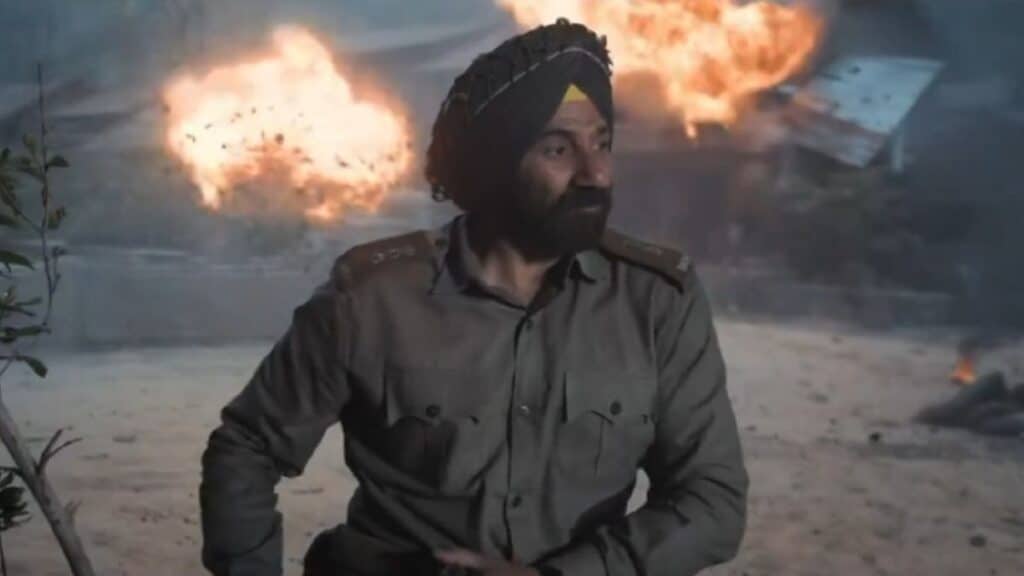
Bollywood has a complicated relationship with war films. For every Lakshya or the original Border that treated military history with respect, there are a dozen that turned real sacrifice into background noise for item numbers and melodrama. Border 2 arrives with a different promise—not just to tell a story, but to honor the men who lived it.
But here’s what makes this different—1971 isn’t ancient history. It’s in living memory. Veterans who fought in these battles are still alive. Families still visit memorials. The stories aren’t folklore. They’re documented, recorded, preserved in military archives and in interviews given by the soldiers themselves.
The Real Battle Behind the Reel Drama
Border 2 is rooted in the Battle of Basantar, one of the fiercest tank engagements of the 1971 war. While the original Border focused on the Battle of Longewala—a defensive victory that became legendary—this sequel shifts to offensive operations deep inside Pakistani territory.
December 1971. The war was in full swing. Indian forces had one objective: cross into Pakistan, establish strategic positions, and hold them against overwhelming counterattacks. This wasn’t about defending Indian soil. This was about taking the fight to the enemy, about securing bridgeheads that would change the course of the war.
The Basantar river became the focal point. Located approximately 20 kilometers inside the Pakistani border, the village of Jarpal was heavily fortified—minefields, tank positions, ammunition dumps. Pakistan knew losing this position would be catastrophic. India knew capturing it was essential.
What followed was three days of hell. Tank battles that destroyed dozens of armored vehicles. Infantry clashes that left hundreds dead. Soldiers fighting while injured because there was no one to replace them, no time to retreat, no option but to hold the line until reinforcements arrived or until they didn’t.
Could a film truly capture that? The fear, the exhaustion, the split-second decisions that meant life or death?
Check Out: Border 2 Unveils Reimagined ‘Jaate Hue Lamhon’ with Naval Officers in Mumbai
The Man Varun Dhawan Brings to Life
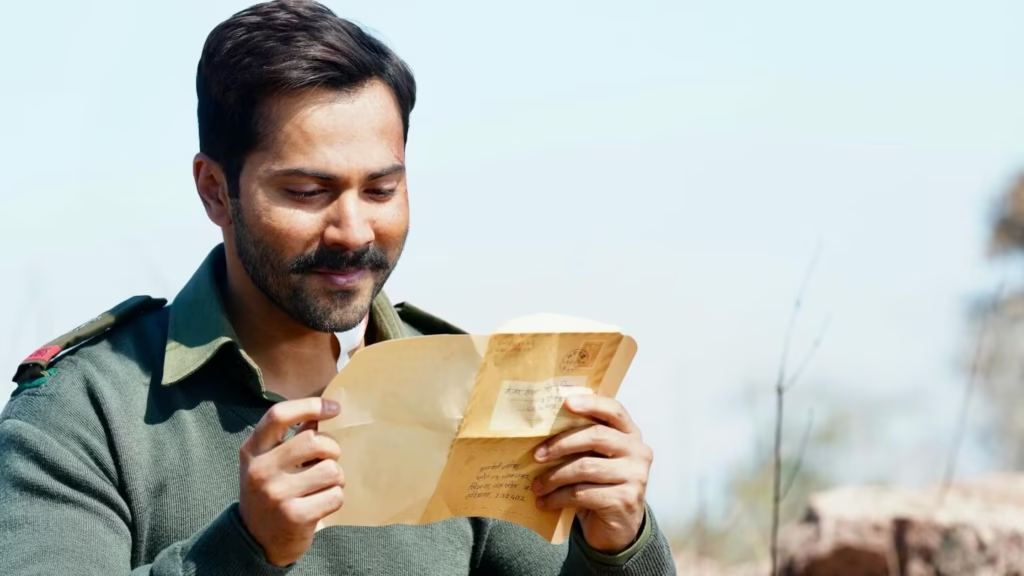
In a 1997 interview preserved on YouTube—grainy footage, simple background, a man in his sixties speaking with the kind of calm that only comes from having survived the unsurvivable—Major Hoshiar Singh Dahiya recounted what happened during those December days.
He commanded the left forward company of 3 Grenadiers. On December 15, at 10 PM, they received orders to cross the Basantar river and capture Jarpal village by midnight. Two hours to cross mined territory, neutralize fortified positions, and establish control. Oh, and they needed to clear a path for Indian tanks to follow by dawn.
By midnight, impossibly, they’d done it. They held Jarpal.
Then the real fighting began.
“Pakistaniyon Ne Badi Maar Khayi”
The Pakistani counterattacks started at 8 AM on December 16. First, infantry. Then tanks at noon. Another massive tank assault at 4 PM. Three consecutive attacks in a single day, each one meant to overwhelm and destroy the Indian positions.
“There were three consecutive tank attacks and we managed to destroy 40-45 enemy tanks,” Major Hoshiar recalled in that interview, his voice matter-of-fact, as if describing a difficult day at the office rather than a battle that would earn him India’s highest military honor.
It was during these tank attacks that Second Lieutenant Arun Khetarpal was martyred. His story—recently told in the film Ikkis—is intertwined with Major Hoshiar’s. They fought side by side. Both earned the Param Vir Chakra. Only one lived to receive it.

The fighting intensified on December 16-17. Pakistani forces attacked from two directions simultaneously—tanks from one side, infantry from the other. “Isme bhi unhone badi maar khayi,” Major Hoshiar said. They took a heavy beating. The Pakistani forces lost 300-350 soldiers in those attacks. The Indian side later collected and handed over the bodies of 97 Pakistani soldiers.
Major Hoshiar was injured during this battle. But he kept fighting. When you’re the commanding officer and your men are looking to you, when the mission depends on holding that ground, you don’t stop because you’re bleeding.
On December 18, a Pakistani Brigade Commander appeared waving a white flag. He requested the return of their soldiers’ remains and announced their withdrawal. The ceasefire had already been called by both governments.
An Indian Brigade Commander came to assess the field and found Major Hoshiar lying injured. He was told he had fought with extraordinary bravery despite his wounds.
Major Hoshiar Singh retired from the Indian Army in 1988. He died of cardiac arrest in 1998 at 61. His story now reaches a new generation through Varun Dhawan’s portrayal—an actor known more for romance and comedy, stepping into the boots of a man who held the line when everything depended on it.
The Other Heroes Border 2 Honors
Border 2 doesn’t tell just one story. It weaves together multiple heroes from different branches of the armed forces:
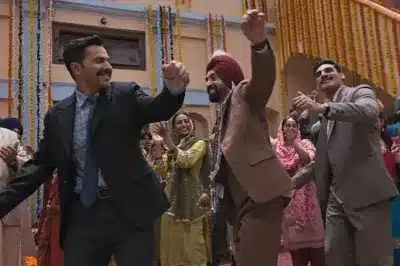
- Flying Officer Nirmal Jit Singh Sekhon (Diljit Dosanjh): The only member of the Indian Air Force to receive the Param Vir Chakra. During the defense of Srinagar Air Base, he engaged enemy aircraft in aerial combat despite being outnumbered. He shot down one enemy plane before being killed in action. His name is spoken with reverence in IAF circles even today.
- Lieutenant Colonel Hardev Singh Kler (Sunny Deol, playing the character Fateh Singh Kaler): A legendary Indian Army commander whose tactical brilliance during the 1971 war became part of military folklore. His strategies are still studied in military academies.
- Lieutenant Commander Joseph Pius Alfred Noronha (Ahan Shetty): A Mahavir Chakra recipient from the Indian Navy whose actions demonstrated the critical role naval operations played in the 1971 conflict, often overshadowed by land battles in popular memory.
Each of these men has documented service records. Families who remember them. Medals displayed in regimental museums. They’re not characters created for dramatic effect. They’re real people who made choices that cost them everything.
Check Out: Border 2 Teaser Review: Sunny Deol’s Thunderous War Cry Promises an Epic Return to the Battlefield
What Makes It Feel Authentic?
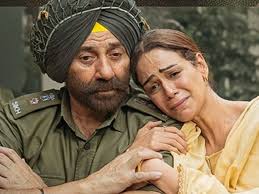
The script for Border 2 was shaped by real accounts, including stories shared by the late General Bipin Rawat—India’s first Chief of Defence Staff—with the producers before his tragic death in a helicopter crash in 2021. General Rawat’s involvement wasn’t symbolic. It was substantive, ensuring the film wouldn’t just recreate battles but would capture the ethos—the specific way Indian soldiers communicate, the decisions they make under fire, the unspoken codes that govern military culture.
Even specific scenes came from real interactions. The “Lahore Tak” war cry in the teaser? That wasn’t written in a Mumbai studio. It emerged from actual conversations with Indian Army soldiers during the film’s shoot in Leh. When you’re filming in military territory, surrounded by serving soldiers and veterans, authenticity seeps in whether you plan for it or not.
Director Anurag Singh and the production team didn’t just research the battles. They absorbed the culture. The result is a film that—if done right—should feel less like watching history and more like being dropped into it.
Is Border 2 the War Film We’ve Been Waiting For?
Bollywood’s relationship with military history is… complicated. For every film that treats the armed forces with dignity, there’s another that reduces real sacrifice to background action for a love triangle. Uri: The Surgical Strike found commercial success by balancing entertainment with respect for real operations. Shershaah gave us a deeply human portrait of Captain Vikram Batra. The original Border became iconic because it honored its source material.
Border 2 carries that legacy forward with a broader canvas—Army, Navy, Air Force all represented. Multiple heroes, multiple battles, multiple perspectives on what 1971 meant for India.
The challenge isn’t just historical accuracy. It’s emotional truth. Can a commercial Bollywood film capture what it feels like to be 23 years old, commanding men in enemy territory, knowing that if you fail, you won’t be the only one who doesn’t make it home? Can it show the weight of command, the grief of losing comrades, the strange guilt of surviving when others didn’t?
Why This Story Still Matters in 2026
You might wonder why we need another 1971 film. We have Border. We have countless documentaries. The war has been analyzed, commemorated, absorbed into national mythology.
But here’s the thing—most of what we know about 1971 centers on Longewala, the surgical strikes in East Pakistan, the birth of Bangladesh. The Battle of Basantar, despite its strategic importance and the extraordinary valor displayed there, remains less known in popular consciousness.
For families of soldiers who fought in that battle, Border 2 is validation. Their fathers, uncles, brothers did something worth remembering, worth honoring, worth telling the next generation about.
For younger audiences who know 1971 primarily through history textbooks—a paragraph, maybe two, sandwiched between other conflicts—the film offers something textbooks can’t: the human dimension. The fear. The camaraderie. The moments of dark humor soldiers use to cope. The letters written home that might be the last. The promises made that couldn’t be kept.
The Weight of Getting It Right
When you’re portraying men who actually bled for the soil you’re filming on, there’s a responsibility that transcends box office numbers. Veterans are watching. Families who lost fathers and brothers are watching. Young people forming their understanding of military service are watching.
Major Hoshiar Singh’s interview from 1997 should be required viewing for anyone involved in Border 2. Not for tactical details—though those matter—but for the tone. The absence of melodrama. The refusal to claim superhuman abilities. Just a soldier recounting what happened: the orders received, the river crossed, the attacks faced, the tanks destroyed, the comrades lost.
“Pakistaniyon ne badi maar khayi,” he says simply. They took a beating.
That understated dignity—that’s what the film needs to honor. Not just the victory, but the cost of achieving it. Not just the heroism, but the humanity underneath the uniform.
So, Is It Based on a True Story?
Yes. Unambiguously, definitively yes.
Border 2 is based on documented military operations from the 1971 Indo-Pak War. The Battle of Basantar happened. Major Hoshiar Singh Dahiya led his company into enemy territory and held it against overwhelming odds. Second Lieutenant Arun Khetarpal died in the same battle, earning the Param Vir Chakra posthumously. Flying Officer Nirmal Jit Singh Sekhon defended Srinagar Air Base and paid with his life.
These aren’t composite characters or “inspired by true events” fudging. These are real people with service records, medals, and families who still carry their legacy.
Will the film take creative liberties? Of course. That’s cinema. Dialogue will be dramatized. Events may be compressed for narrative flow. Personal relationships might be invented to give the story emotional resonance.
But the spine of the story—the battles, the strategic objectives, the valor under fire, the ultimate sacrifice—that’s all real. That’s all documented. That’s all true.
The Bigger Picture
The 1971 war reshaped South Asia. It led to the creation of Bangladesh. It demonstrated India’s military capability. It forced a rethinking of regional power dynamics.
But for the soldiers who fought it, the war wasn’t about geopolitics or national strategy. It was about the man next to you. About completing the mission. About doing your duty and hoping you’d live to see home again.
Border 2, if it succeeds, will bridge that gap—between the macro-level history we learn in school and the micro-level reality of what war actually feels like for the people fighting it.
Major Hoshiar Singh’s calm voice in that 1997 interview stays with you long after you’ve stopped watching. He doesn’t claim to be a hero. He doesn’t dramatize. He just tells you what happened, in the same tone you might use to describe a challenging project at work, except his “project” involved crossing a river under enemy fire and holding territory while wounded.
That quiet dignity, that refusal to inflate or exaggerate, that simple commitment to duty—that’s what made him a hero. Not superhuman strength or cinematic dialogue, but human courage in the face of impossible odds.
And that’s the story Border 2 needs to tell. Not a sanitized, flag-waving spectacle that reduces real sacrifice to entertainment, but a honest, unflinching look at what these men did, why they did it, and what it cost them.
Because some stories aren’t just based on truth. They are the truth, carried forward by those who lived it and preserved by those who refuse to let it be forgotten.
