


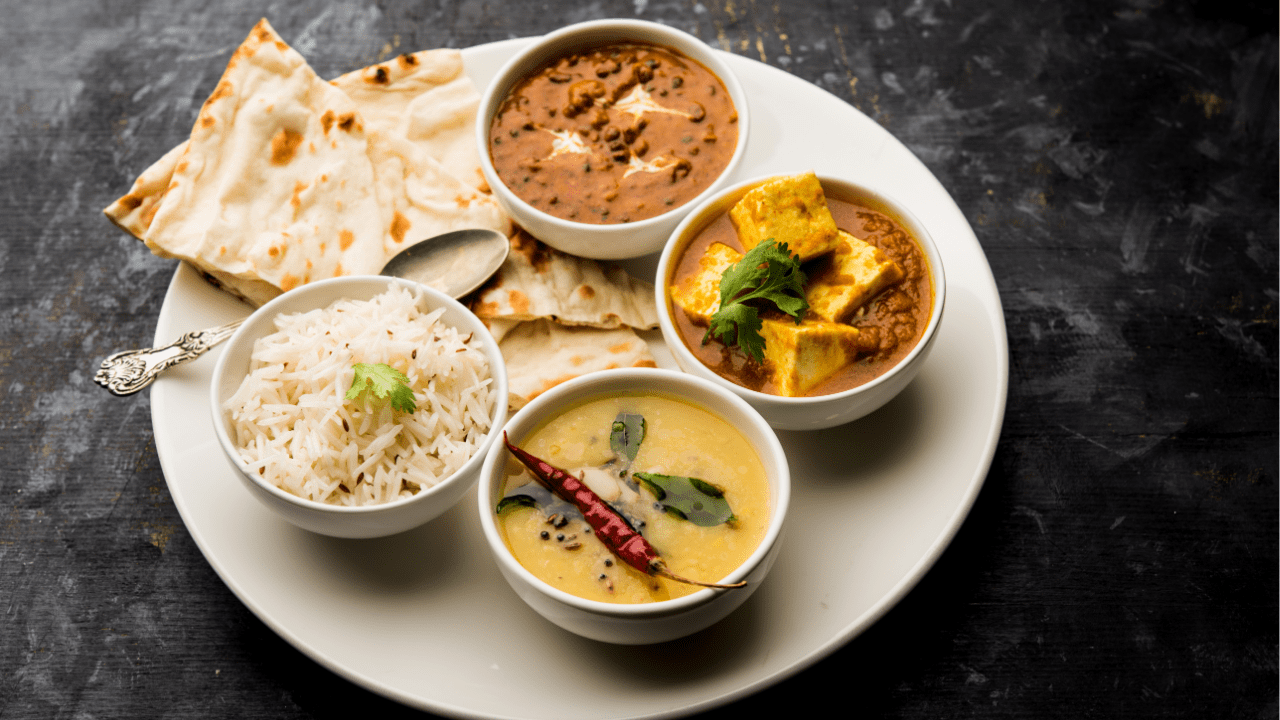
Indian food is often discussed in extremes. For some, it is celebrated as one of the most flavorful and nourishing cuisines in the world. For others, it is dismissed as oily, heavy, or unhealthy. The truth, as with most traditional food systems, sits somewhere in the middle — and understanding that nuance is essential to appreciating the real health benefits of Indian food.
At its foundation, Indian cuisine was never designed around indulgence. It evolved as a practical, regional, and seasonal way of eating that balanced grains, legumes, vegetables, spices, fats, and fermentation. When viewed as a system rather than a collection of restaurant dishes, Indian food reveals a structure that aligns closely with many modern principles of nutrition.
Why Indian Food Is Often Misunderstood
Much of the global perception of Indian food is shaped by restaurant menus rather than home kitchens. Creamy gravies, excessive oil, oversized portions, and sugar-heavy desserts are often treated as representative of everyday Indian eating, when in reality they are celebratory or commercial adaptations.
This disconnect fuels a recurring question many people ask when approaching Indian cuisine for the first time: whether Indian food is actually healthy. While this article provides a broad perspective, that question is explored more directly in a deeper examination of whether Indian food is healthy in everyday diets.
Indian Food as a Nutritional System, Not Individual Dishes
Traditional Indian meals are built around balance. A typical plate combines carbohydrates from rice or roti, protein from lentils or dairy, fiber from vegetables, and fats used deliberately rather than excessively. Meals are designed to be filling without being overwhelming, often accompanied by something cooling, something fermented, and something spicy to support digestion.
This balance is not accidental. It reflects generations of lived knowledge about satiety, digestion, and sustained energy — long before nutrition labels or calorie tracking existed.
For readers looking to translate these principles into daily choices, a detailed guide to healthy Indian food offers practical insight into cooking styles, portion awareness, and ingredient selection without stripping the cuisine of its character.
The Role of Spices in Indian Food Health Benefits
Spices are one of the most distinctive aspects of Indian cooking, but their role extends far beyond flavor. Turmeric, ginger, garlic, cumin, coriander, mustard seeds, and chilies are used in small but consistent quantities across meals. These ingredients contain bioactive compounds associated with anti-inflammatory effects, digestive support, metabolic regulation, and antioxidant activity.
Rather than relying on sugar or heavy sauces for taste, Indian cooking layers spices to create complexity while keeping meals nutritionally dense. These effects are not just traditional beliefs — they are supported by modern research examining the science-backed health benefits of Indian food through both clinical studies and nutritional analysis.
Spice-forward cooking also explains why heat in Indian food is often misunderstood. Spicy does not automatically mean unhealthy. In fact, when used thoughtfully, spice can enhance digestion and appetite regulation. This nuance is explored further in an in-depth look at the health benefits of spicy Indian food and how heat functions within the cuisine.
Digestion, Fermentation, and Gut Health
Another underappreciated strength of Indian cuisine is its focus on digestion. Fermented foods such as yogurt, buttermilk, idli, dosa batter, and traditional pickles introduce beneficial bacteria and enzymes into the diet. Meals are often structured to include something fermented or cooling to balance spices and starches.
This approach is especially prominent in South Indian food traditions, where fermentation and lighter preparations play a central role. A closer analysis of whether South Indian food is healthy highlights how regional practices contribute to gut health and long-term dietary sustainability.
Protein, Fiber, and Plant Diversity
Indian food is frequently labeled as carbohydrate-heavy, yet this overlooks the central role of lentils, beans, vegetables, and whole grains. Dishes built around dal, chana, rajma, seasonal vegetables, and leafy greens provide plant-based protein and fiber that support satiety, blood sugar stability, and digestive health.
When prepared traditionally, many Indian meals are naturally vegetarian without being nutritionally incomplete. The diversity of ingredients across regions ensures a wide range of micronutrients that are often lacking in highly processed diets.
When Indian Food Becomes Unhealthy
It is important to acknowledge that Indian food is not automatically healthy in all forms. Excessive frying, refined flours, repeated reheating of oils, sugary beverages, and oversized portions can undermine many of its inherent benefits. Urban lifestyles, restaurant culture, and convenience eating have significantly altered how Indian food is consumed, particularly outside India.
Health outcomes depend less on the cuisine itself and more on frequency, preparation methods, and overall dietary patterns.
So, Are There Real Health Benefits to Indian Food?
Yes — when Indian food is prepared and consumed in ways that reflect its traditional roots. The benefits come from balance, diversity, spices used with intent, fermentation, and moderation. Indian cuisine was never about extremes; it was about nourishment, sustainability, and harmony with the body.
For readers interested in alternate perspectives or frequently discussed variations of this question, an additional discussion revisiting whether Indian food is healthy offers further context and reflection.
Indian food is not a shortcut to perfect health, but it is a thoughtfully evolved dietary system that aligns remarkably well with modern nutritional science when practiced mindfully.
Frequently Asked Questions About Indian Food and Health
Is Indian food healthy on a daily basis?
Indian food can be healthy when consumed in its traditional form and balanced portions. Home-style Indian meals typically include whole grains, lentils, vegetables, fermented foods, and spices that support digestion and metabolic health. Problems usually arise when Indian food is heavily fried, overly creamy, or consumed in large restaurant-style portions on a regular basis.
Why is Indian food often considered unhealthy in Western countries?
In many Western countries, Indian food is experienced primarily through restaurants, where dishes are richer, heavier, and adapted for commercial appeal. These versions do not accurately reflect everyday Indian home cooking, which is usually simpler, lighter, and more balanced.
Are spices in Indian food actually good for health?
Yes. Many commonly used Indian spices such as turmeric, ginger, cumin, garlic, and coriander contain compounds linked to anti-inflammatory, antioxidant, and digestive benefits. When used in moderation and as part of regular meals, spices enhance both flavor and nutritional value rather than harming health.
Is spicy Indian food bad for digestion?
Spicy Indian food is not inherently bad for digestion. When spices are used thoughtfully and balanced with cooling or fermented foods, they can actually stimulate digestion. Issues typically occur when spice levels are extreme or when spicy foods are combined with excessive oil and refined ingredients.
Is South Indian food healthier than North Indian food?
South Indian food is often perceived as lighter due to its emphasis on fermentation, rice-based dishes, lentils, and vegetable preparations. However, both South and North Indian cuisines can be healthy depending on ingredients, cooking methods, and portion sizes. Neither is universally healthier; balance matters more than region.
Can Indian food support weight management?
Indian food can support weight management when meals focus on vegetables, lentils, whole grains, and controlled portions of fats. Traditional Indian diets emphasize satiety and digestion, which can help regulate appetite. Weight gain is more commonly associated with modern adaptations such as fried snacks, sugary drinks, and refined carbohydrates.
Is Indian vegetarian food nutritionally complete?
Yes, when planned properly. Indian vegetarian meals often combine lentils, dairy, grains, vegetables, nuts, and seeds, providing protein, fiber, vitamins, and minerals. The diversity of ingredients across Indian cuisine helps meet nutritional needs without relying on meat.
What makes Indian food different from other healthy cuisines?
Indian food stands out for its systematic use of spices, emphasis on digestion, regional diversity, and integration of fermentation. Rather than focusing on isolated nutrients, Indian cuisine evolved as a holistic eating system designed to nourish the body over long periods of time.
