


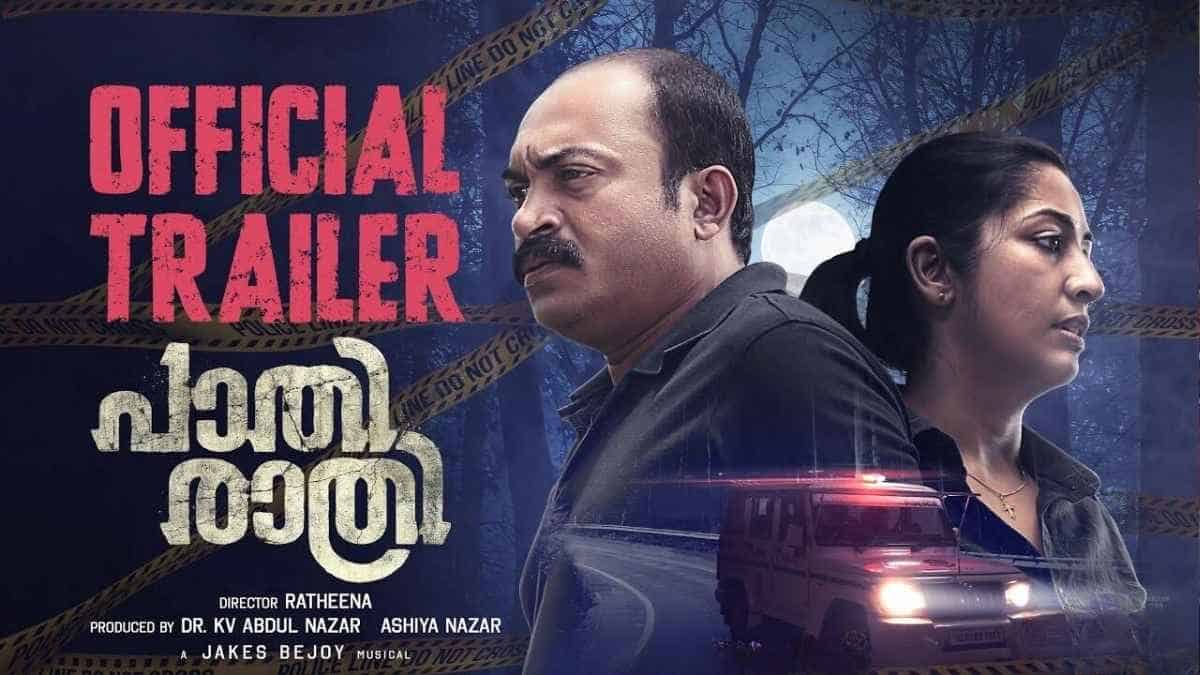
There’s a specific kind of Malayalam film that doesn’t announce itself loudly. No item numbers. No breathless editing. No hero introduction with slow-motion swagger. Just a crime, a pair of cops, and the slow, uncomfortable unraveling of what actually happened and what it costs the people investigating it.
Directed by Ratheena PT and originally released theatrically on October 17, 2025, Pathirathri found a significantly larger audience when it arrived on ZEE5 with a Hindi dub in early 2026. That expansion tells you something about where Indian OTT consumption is heading—regional cinema, once accessible only to language-specific audiences, is finding national traction when the stories are grounded enough to translate across cultural lines.
Table of Contents
What Is Pathirathri About?
SI Jancy and Constable Hareesh catch the case, and what begins as an investigation quickly becomes something more complicated—internal probes, allegations of framing, ethical dilemmas that don’t have clean answers. The film isn’t interested in delivering a satisfying mystery so much as it’s interested in what investigating a murder does to the people tasked with doing it. How the pressure of institutional scrutiny shapes what gets investigated and what gets buried. How the professional and personal can’t stay separated no matter how hard you try.
The script, informed by cop-writer Shaji Maarad for procedural authenticity, runs two tracks simultaneously: the external investigation and the internal lives of the two officers conducting it. Hareesh’s divorce counseling scenes aren’t decorative—they’re the film’s argument that policing is never just about the case. It’s always about what you bring to it and what it leaves behind.
Here’s the complete essential details table for Pathirathri:
Pathirathri (2026) – Complete Film Details
| Category | Details |
|---|---|
| Title | Pathirathri |
| Director | Ratheena PT |
| Script Consultant | Shaji Maarad (cop-writer) |
| Language | Malayalam (Hindi dub available 2026) |
| Genre | Police Procedural Thriller |
| Runtime | 124 minutes |
| Theatrical Release | October 17, 2025 |
| OTT Platform | ZEE5 |
| OTT Hindi Dub Phase | February, 13, 2026 |
| Country | India |
| Lead Cast | Navya Nair, Soubin Shahir |
| Supporting Cast | Achyuth Kumar, Harisree Ashokan, Indrans, Ann Augustine |
| Navya Nair Role | SI Jancy (Lead Protagonist) |
| Soubin Shahir Role | Constable Hareesh |
| Achyuth Kumar Role | DySP (Antagonistic Presence) |
| Background Score | Jakes Bejoy |
| Age Rating | 16+ (Adult themes; institutional pressure, murder investigation) |
Complete Cast and Performances
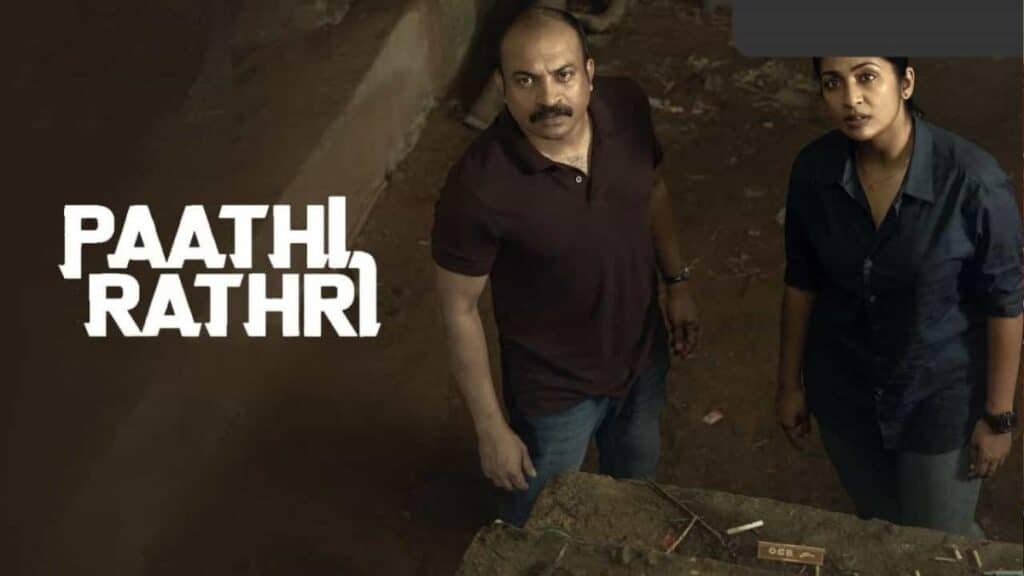
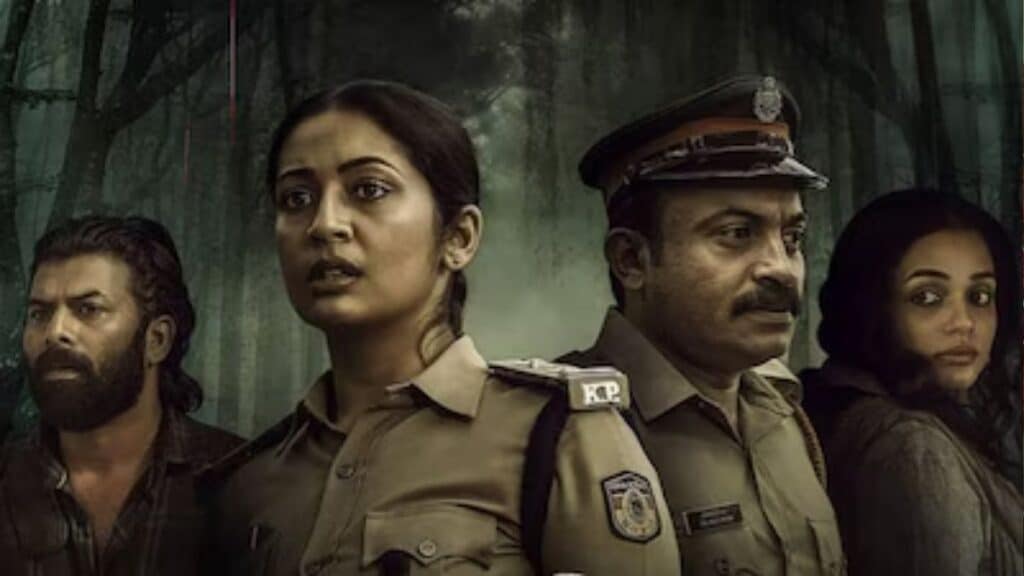
Navya Nair plays SI Jancy, and this is—without question—the kind of performance that reminds you why certain actors deserve to be talked about in different terms than they usually are. Jancy is not a simple character. She carries the authority of her rank and the weight of institutional pressure simultaneously, and Nair plays the tension between those two things with extraordinary restraint.
Soubin Shahir as Constable Hareesh is the counterweight that makes Nair’s performance land even harder. Where Jancy carries authority, Hareesh carries exhaustion—the particular tiredness of a person whose professional and personal lives are both quietly falling apart.
Achyuth Kumar as the DySP brings an effective antagonistic presence—the institutional obstacle embodied in a single senior figure. He doesn’t get enough screen time to fully develop the character, but he makes the time he has count. Harisree Ashokan, Indrans, and Ann Augustine round out the supporting cast with the kind of assured, naturalistic work that characterizes the best of Kerala cinema’s ensemble tradition.
| Actor | Role | Performance Notes |
|---|---|---|
| Navya Nair | SI Jancy | Career-best performance; extraordinary restraint and emotional depth |
| Soubin Shahir | Constable Hareesh | Understated, emotionally layered; humanizes the personal cost of policing |
| Achyuth Kumar | DySP | Effective antagonistic presence; underutilized |
| Harisree Ashokan | Supporting | Naturalistic ensemble work |
| Indrans | Supporting | Reliable character presence |
| Ann Augustine | Supporting | Contributes to grounded procedural atmosphere |
What Works: The Film’s Genuine Strengths
1. Navya Nair’s Performance
Everything that works in Pathirathri works because Navya Nair is at the center of it. SI Jancy is a character who could easily become a cliché—the capable female cop battling institutional bias—but Nair brings specificity to her that transcends the type. The moments where she balances authority with vulnerability, where she makes decisions that cost her something and you can see the calculation happening in real time—those are the moments that elevate a competent procedural into something genuinely worth watching.
One review captures it well: she “constantly conceals reality” throughout the film, and that performance of concealment, sustained for 124 minutes, is its own kind of technical achievement.
2. Grounded Procedural Realism
The police station atmosphere in Pathirathri feels inhabited rather than designed. The hierarchies, the resentments, the way institutional pressure shapes individual decisions—it’s the kind of detail that comes from actual research, and the film’s script consultant background shows. You believe that these people work in this building, that the politics of rank mean something specific, that solving a case and serving justice aren’t always the same objective.
3. The Marshland Cinematography
The film’s visual sense is one of its unsung strengths. The marshland where the journalist’s body is discovered is shot with a moody specificity that gives the film a distinct atmosphere. It’s not just a crime scene—it’s a landscape with its own menace, its own suggestion of things hidden beneath surfaces. The cinematography supports the film’s emotional register in ways that are easy to take for granted but hard to imagine without.
4. Jakes Bejoy’s Background Score
The score works the way good film music should—you feel it more than you notice it. Jakes Bejoy’s compositions underscore the film’s slow-burn tension without tipping into melodrama, supporting scenes rather than overwhelming them.
5. Balanced Gender Power Dynamic
Pathirathri doesn’t make a speech about its female lead. It just shows Jancy doing her job, navigating her authority within a male-dominated institution, making decisions that carry weight. The gender dynamics are observed rather than announced, which is the film’s most quietly progressive quality.
6. Emotional Authenticity in Small Moments
Hareesh’s divorce counseling scenes, mentioned briefly but worth dwelling on: these are the moments where Pathirathri earns its emotional credibility. A procedural that remembers its characters have lives outside the case—and that the case affects those lives—is a procedural that understands what it’s actually about.
CHECK MORE ON: Bandwaale Review
Who Should Watch Pathirathri?
This Film Is For You If:
- You’re a Malayalam cinema enthusiast wanting to see Navya Nair at her best
- You prefer slow-burn, character-driven procedurals over action thrillers
- You appreciate realistic institutional dynamics over cinematic heroics
- You’re a Hindi-speaking viewer wanting to explore quality regional cinema
- You value emotional depth and nuanced performance over plot twists
- You’re interested in films that show policing as a human experience with real costs
This Might Not Be For You If:
- You need fast pacing and constant momentum to stay engaged
- Predictable narrative arcs frustrate you
The OTT Context: Why Pathirathri Matters Beyond the Film Itself
Pathirathri‘s February 13, 2026 streaming moment on ZEE5 is part of a larger, genuinely interesting pattern. South Indian thrillers held approximately 40 percent of OTT market share in 2026, and dubbed regional content saw a 30 percent viewership spike in the same period. Malayalam communities outside Kerala reportedly organized watch parties after the Hindi dub release—a detail that speaks to how regional cinema creates diaspora connection in ways that transcend the specific content.
This film’s national streaming success is a small but meaningful data point in the story of Indian cinema’s OTT evolution: regional content with grounded storytelling is finding audiences that would previously never have accessed it. Pathirathri isn’t the best example of Malayalam cinema by any measure, but its streaming trajectory represents something real about where attention is shifting.
Key Themes the Film Explores
Institutional Pressure vs. Individual Ethics: The investigation puts both Jancy and Hareesh in positions where what the institution wants and what justice requires are in tension. The film doesn’t resolve this tension cheaply—it lives in it.
The Personal Cost of Policing: Hareesh’s divorce counseling subplot isn’t tangential. It’s the film’s argument that the emotional labor of policing has real consequences for the people doing it, and that those consequences deserve to be taken seriously.
Objective Moral Grey: Several characters in Pathirathri resist easy categorization as hero or villain. The DySP antagonizes, but the film gives you enough to understand the institutional logic behind his behavior. Jancy makes compromises. Hareesh struggles with complicity. These “grey characterizations” are the film’s moral intelligence at work.
Female Authority in Male Institutions: Without making a manifesto of it, Pathirathri depicts what it looks like to hold authority as a woman within a hierarchical institution. The challenges are structural, not cartoonish, and Jancy’s navigation of them is one of the film’s most quietly observed threads.
Is Pathirathri Worth Your Time?
Here’s where it lands honestly: Pathirathri is a better film than its plotting deserves and a more involving experience than its pacing sometimes threatens. The reason to watch it—the only reason you really need—is Navya Nair. Her performance is the kind that stays with you after the film ends, that makes you think about the character at unexpected moments, that demonstrates what committed, intelligent acting can do for material that doesn’t always match its ambition.
What it isn’t is a thriller that will shock you, grip you by the collar, or leave you breathless at its revelations. The plotting is predictable, the pacing uneven, and the climax lands with a kind of moral satisfaction that’s more intellectual than visceral. If those are your primary requirements for a crime film, look elsewhere.
Overall Rating: 4/5
Stream it for the performances. Appreciate it for the realism. Accept its limitations with the understanding that not every thriller needs to reinvent the genre—sometimes grounded character work in service of a familiar story is exactly what you’re in the mood for.
What Pathirathri ultimately represents is something quietly important about the current state of Indian cinema: that regional storytelling, when it’s grounded and human and anchored by genuine performance, can travel. Can find audiences across language barriers. Can matter to people who have no particular reason to care about a Malayalam police procedural set in a marshland.
Now streaming on ZEE5 in Malayalam and Hindi.
Is Pathirathri available with Hindi dubbing on ZEE5?
Yes. While the film was originally released theatrically in Malayalam in October 2025, the Hindi-dubbed version became available on ZEE5 in Feb 13,2026 and drove significant viewership growth among non-Malayalam speaking audiences.
What is Pathirathri’s runtime?
The film runs 124 minutes. Several reviewers have noted that it could be tightened to around 105 minutes without losing anything essential, as some scenes extend beyond their narrative necessity.
Who directed Pathirathri?
Pathirathri was directed by Ratheena PT, with the screenplay’s procedural accuracy supported by cop-writer Shaji Maarad, whose background informs the film’s realistic depiction of police station dynamics and investigation protocols.
