


That pinch of jeera you added to your tadka last night? There’s a chance it wasn’t cumin at all.
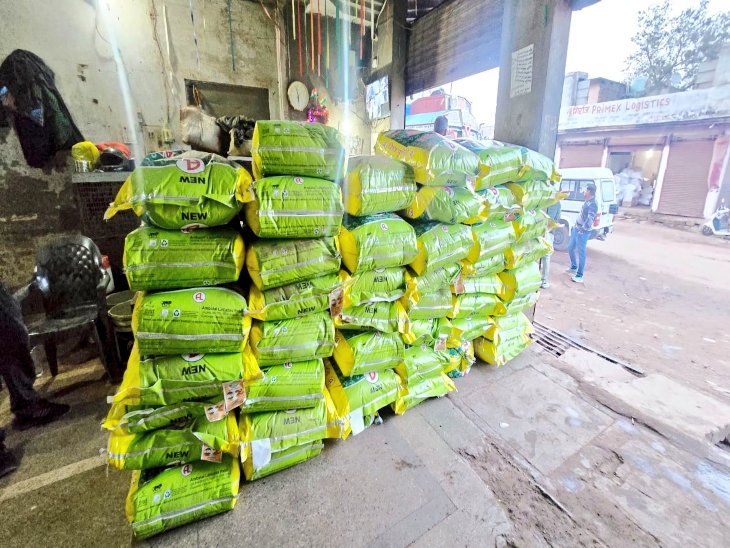
In Gwalior, Madhya Pradesh, what looked like ordinary cumin seeds turned out to be fennel coated with cement, chemicals, artificial colour, and fragrance. Not expired. Not low-quality. But deliberately manufactured to deceive. Forty-six sacks of this poison—worth over ₹3.25 lakh—were seized before they could reach more kitchens across Uttar Pradesh and beyond.
This isn’t an isolated case. It’s part of a pattern. Last month, it was clay-made mustard seeds. This month, it’s cement jeera. Next month, who knows what else is hiding in your masala dabba.
In a Nutshell:
Three businessmen in Gwalior have been accused of selling fennel seeds coated with cement, chemicals, and artificial colour as branded cumin under the popular Shivpujari label. The fake cumin was sold at ₹150-180 per kg compared to genuine cumin’s ₹250-450 per kg price range, making it an attractive trap for budget-conscious buyers. Police seized 46 sacks worth over ₹3.25 lakh before the consignment could reach Jhansi. Health experts warn that consuming cement and chemical residues can damage digestion, liver function, and long-term immunity.
The Racket: How Fennel Became “Cumin”
The accused—Hitesh Singhal (alias Champak), Manoj (manager at Maa Sheetla Cold Storage), and Titu Agarwal from Jhansi—weren’t amateurs. They understood supply chains, branding, and consumer psychology. They knew that if the packaging looked right and the price was tempting, most people wouldn’t question what was inside.
Their method was disturbingly systematic. Fennel seeds were coated with cement and treated with chemicals to mimic the texture and weight of cumin. Artificial colour was added to match the brownish hue. Synthetic fragrance masked the lack of that earthy jeera smell. In some batches, old and spoiled cumin was chemically revived to look fresh. The final product was polished, packed in sacks bearing the logo of Shivpujari—a legitimate Gujarat-based spice brand—and shipped across state lines.
Vimal Kumar Patel, the actual owner of Shivpujari, only learned about the counterfeit operation when customers started complaining. His brand’s reputation was being destroyed by products he never made. He filed an FIR, and police intercepted the consignment at a transport hub in Bahodapur before it reached Jhansi.
Additional Superintendent of Police Jayaraj Kuber confirmed the seizure: “Cumin manufactured by coating fennel seeds with cement and chemicals was seized based on the brand owner’s complaint. Samples have been sent for testing. Strict action will follow once reports are received.”
Why This Scam Worked So Well
The price gap made it irresistible. Genuine branded cumin sells for ₹250 to ₹450 per kilogram. The fake version? ₹150 to ₹180. For a small retailer operating on thin margins, or a household trying to stretch the monthly budget, that difference matters. And when the packaging screams authenticity, why would anyone suspect cement inside?
There’s also the trust factor. Indians buy spices the way we buy everything else—based on brand recognition and price. We don’t carry microscopes to the kirana store. We assume that if it’s sealed, branded, and reasonably priced, it’s safe. That assumption is exactly what these scammers exploited.
The Health Danger You’re Not Seeing
Cement isn’t food. Chemicals aren’t seasoning. And yet, for weeks or months, families across multiple states may have been consuming both without knowing it.
Health experts warn that regular consumption of cement-contaminated spices can cause significant harm. Digestion is the first casualty—cement particles irritate the stomach lining and intestines. Over time, chemical residues can damage liver function, weaken immunity, and create long-term complications that won’t show up immediately but will accumulate silently.
The worst part? You can’t taste the danger. The artificial fragrance covers the chemical smell. The colour looks right. The texture feels close enough. By the time you realize something’s wrong, the damage may already be done.
How to Detect Real vs Fake Cumin at Home
You don’t need a lab. You just need to pay attention.
- The Float Test
Drop a teaspoon of cumin seeds into a glass of water. Real cumin will float on the surface because of its natural oils. Fake cumin—especially if it’s cement-coated—will sink or behave inconsistently. If most seeds sink immediately, you’ve got a problem. - The Rub Test
Take a few seeds between your fingers and rub them. Real cumin releases a strong, earthy, slightly bitter aroma. If you smell nothing, or if the scent feels synthetic and sharp, it’s likely adulterated. Genuine cumin also leaves a slight oily residue on your fingers. Fake cumin won’t. - The Visual Check
Real cumin seeds have a consistent brownish colour with natural variations. They’re slightly curved, with visible ridges running lengthwise. If your cumin looks too uniform, too polished, or has an unnatural sheen, be suspicious. Chemical treatment often creates an artificial “perfection” that nature doesn’t. - The Texture Test
Real cumin is dry but slightly flexible. Press a seed between your nails—it should resist but eventually split. Cement-coated fennel will feel harder, grittier, and may crumble differently. If it feels like you’re crushing a tiny pebble, you probably are. - The Taste Test (Use Sparingly)
Real cumin has a warm, nutty, slightly peppery flavor. If it tastes chalky, bitter in a chemical way, or leaves a strange aftertaste, spit it out. Your tongue knows the difference even when your eyes don’t. - The Brand and Price Check
If cumin is being sold significantly below market rate, ask why. Legitimate brands have consistent pricing. A 40-50% discount on a staple spice isn’t a bargain—it’s a red flag. Buy from trusted retailers, check for tamper-proof packaging, and verify batch numbers when possible.
What’s Happening Beyond Gwalior
This isn’t Madhya Pradesh’s problem alone. The seized consignment was headed to Jhansi. From there, it could have reached Delhi, Lucknow, or anywhere else. Food adulteration networks operate across state lines, exploiting gaps in enforcement and the difficulty of tracing supply chains.
Last month, it was clay-made mustard seeds in the same region. Before that, there were cases of turmeric mixed with lead chromate for colour, chilli powder laced with brick powder, and milk diluted with urea. The pattern is clear: adulterators are getting bolder, and the systems meant to stop them are struggling to keep up.
Why Enforcement Alone Won’t Solve This
Police can seize consignments. Labs can test samples. Courts can prosecute offenders. But as long as there’s a profit margin in poison, someone will try to sell it.
What’s missing is accountability at every level. Manufacturers need stricter licensing and surprise inspections. Retailers need to be held liable for selling counterfeit products, even if they claim ignorance. Consumers need accessible ways to report suspicious goods without bureaucratic runaround.
More importantly, we need transparency. QR codes on packaging that link to verified batch information. Third-party testing certifications displayed prominently. Penalties severe enough to make adulteration financially unviable, not just legally risky.
What You Can Do Right Now
Check your masala dabba. If you’ve bought cumin recently—especially if it was unusually cheap or from an unfamiliar brand—test it using the methods above. If something seems off, stop using it immediately.
Report suspicious products to your local food safety officer or use the Food Safety and Standards Authority of India (FSSAI) consumer portal. Take photos of the packaging, note the batch number, and keep a sample if possible.
Buy from sources you trust, even if it costs a little more. The difference between ₹180 and ₹280 per kilo might feel significant today, but the medical bills from long-term chemical exposure will cost far more.
And talk about it. Share this information with your family, your building’s WhatsApp group, your local kirana wala. The more people know what to look for, the harder it becomes for scammers to operate.
The jeera in your tadka should add flavor, not fear. Until enforcement catches up with intention, your best defense is awareness. Check what you’re buying. Question prices that seem too good. Trust your senses. Because in a country where spices are sacred, selling cement as cumin isn’t just fraud—it’s betrayal.
