


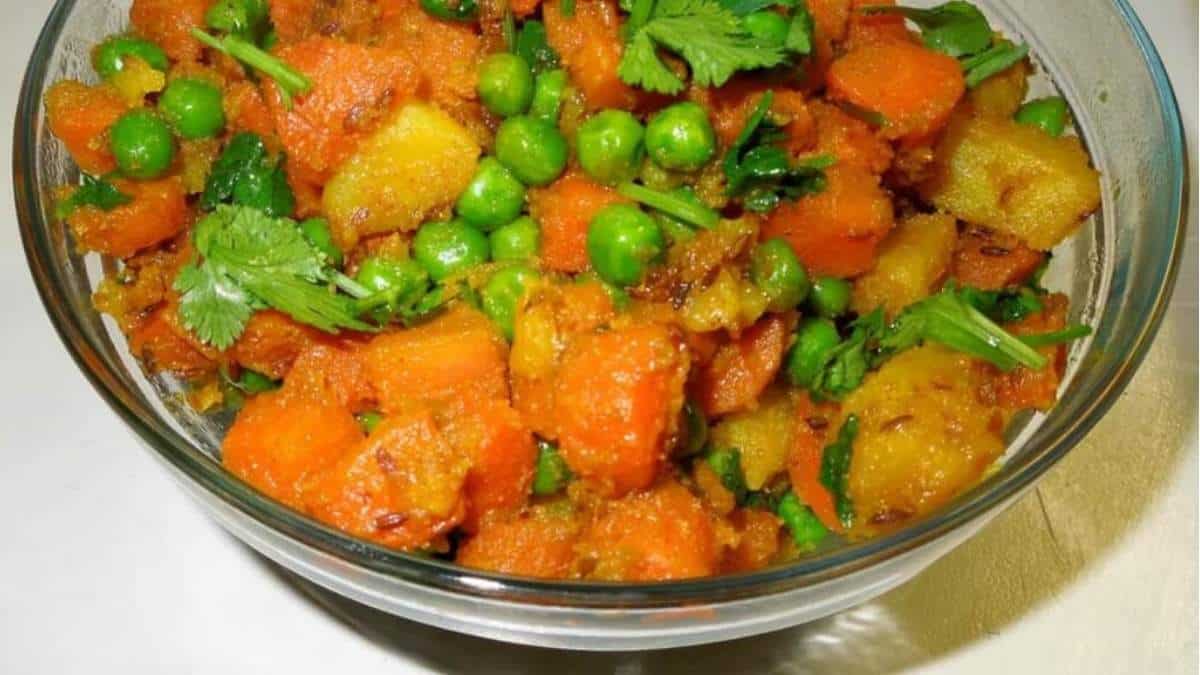
There’s a particular kind of comfort in opening your fridge, finding a handful of everyday vegetables, and knowing you can turn them into something warm and nourishing without elaborate planning. This mixed vegetable curry—or aloo matar gajar as it’s known in Punjabi homes—is exactly that kind of recipe: potatoes, carrots, and peas coated in aromatic spices, steamed in their own juices until tender, ready in about 30 minutes.
Quick Summary
Mixed vegetable curry (aloo matar gajar) is a simple, one-pot Punjabi dish featuring potatoes, carrots, and peas cooked with onions, tomatoes, ginger, garlic, and warm spices. The vegetables steam in their own juices without added water, creating a dry, flavorful curry perfect with roti or naan. Ready in 30 minutes with minimal cleanup.
Table of Contents
What Makes This Mixed Vegetable Curry Different
It’s a Dry Curry, Not a Saucy One
When you hear “curry,” you might picture something swimming in gravy, spooned over rice. This mixed vegetable curry works differently. The vegetables get coated in a savory masala blend—turmeric, cumin, coriander—then covered and allowed to steam in their own moisture. What emerges is tender vegetables with concentrated flavor clinging to each piece, not floating in sauce.
In Punjabi and North Indian cooking, these drier preparations are called “sabzi” or “bhaji,” and they’re specifically designed to pair with flatbreads. The slightly drier texture means they sit perfectly on a piece of roti without making it soggy, and you can scoop them up easily with torn bread.
The Beauty of Simplicity
This isn’t one of those recipes where you’re juggling fifteen spices or creating complex curry pastes. You’re working with pantry basics—onions, tomatoes, ginger, garlic, and a handful of ground spices that most Indian kitchens already have. The magic comes from technique rather than exotic ingredients.
The vegetables cook low and slow in a covered pan, developing natural sweetness as their starches break down and their flavors concentrate. That’s it. No elaborate tempering, no coconut milk, no cashew paste. Just vegetables and spices doing what they do best when you give them time and heat.
Understanding Aloo Matar Gajar
The name tells you exactly what’s inside: “aloo” (potatoes), “matar” (peas), and “gajar” (carrots). This straightforward naming convention runs through much of North Indian cooking—aloo palak is potatoes with spinach, aloo gobi is potatoes with cauliflower, and so on.
Living abroad, this becomes the kind of recipe you make when you’re craving home but don’t have access to specialized ingredients. Potatoes, carrots, and peas are available everywhere. The spices are basic. You can make this in any kitchen, anywhere, and it will taste like comfort.
Ingredients You’ll Need
The Vegetables
Potatoes (2-3 medium, about 500g): Cut them into ¾-1 inch cubes—smaller than you might instinctively cut them. This sizing is crucial because potatoes take longer to cook than carrots or peas, and you want everything to finish at the same time. Any variety works, though I prefer Yukon Golds for their creamy texture and slight sweetness.
Carrots (2-3 medium, about 250g): How you cut these depends on their thickness. For standard-sized carrots, cut them into rounds about ¼ inch thick. For thicker carrots, halve them lengthwise first, then slice crosswise so the pieces are roughly the same size as your potato cubes.
Green Peas (1 cup, frozen or fresh): Frozen peas work beautifully here and are honestly easier than shelling fresh ones. Add them along with the other vegetables—they’ll cook perfectly in the time it takes the potatoes to become tender. If you prefer firmer peas, add them 10-15 minutes into the cooking time.
The Aromatics
Onions (2 medium, finely chopped): These form the flavor base. Chopping them fine helps them break down into the masala coating rather than remaining as distinct pieces. A food processor makes quick work of this.
Tomatoes (2 medium, finely chopped): They add acidity and help create the moisture needed for steaming. Use ripe tomatoes for best flavor—underripe ones will make the curry taste sharp and unbalanced.
Ginger-Garlic Paste (1-2 tablespoons): You can make this fresh by pulsing equal parts ginger and garlic in a food processor, or use store-bought. Fresh tastes brighter, but store-bought works fine in a pinch.
Green Chili (1-2 serrano or Thai chili): Essential for flavor and aroma, not just heat. The green chili adds a particular brightness that dried red chili powder can’t replicate. Slit it lengthwise or chop fine depending on your heat tolerance.
The Spices
- Turmeric Powder (½ tsp): For color and earthy warmth
- Cumin Powder (1 tsp): Adds depth and that characteristic curry aroma
- Coriander Powder (1-2 tsp): Provides citrusy, slightly sweet notes
- Red Chili Powder (½-1 tsp): Adjust based on your heat preference
- Garam Masala (½-1 tsp): The finishing spice blend that brings everything together
- Salt: To taste, usually about 1-1½ teaspoons
The Secret Ingredient
Kasuri Methi (Dried Fenugreek Leaves, 1-2 tsp): This is what elevates the curry from good to “why won’t my kids stop asking for this?” Crush the dried leaves between your palms before adding them at the end—the friction releases their aromatic oils.
If you don’t have kasuri methi, the curry will still be delicious, but if you can get your hands on it, do. It’s sold at any South Asian grocery store, lasts indefinitely in your pantry, and transforms everything from dal to paneer dishes.
How to Make Mixed Vegetable Curry (Step-by-Step)
Step 1: Prep Your Vegetables and Aromatics
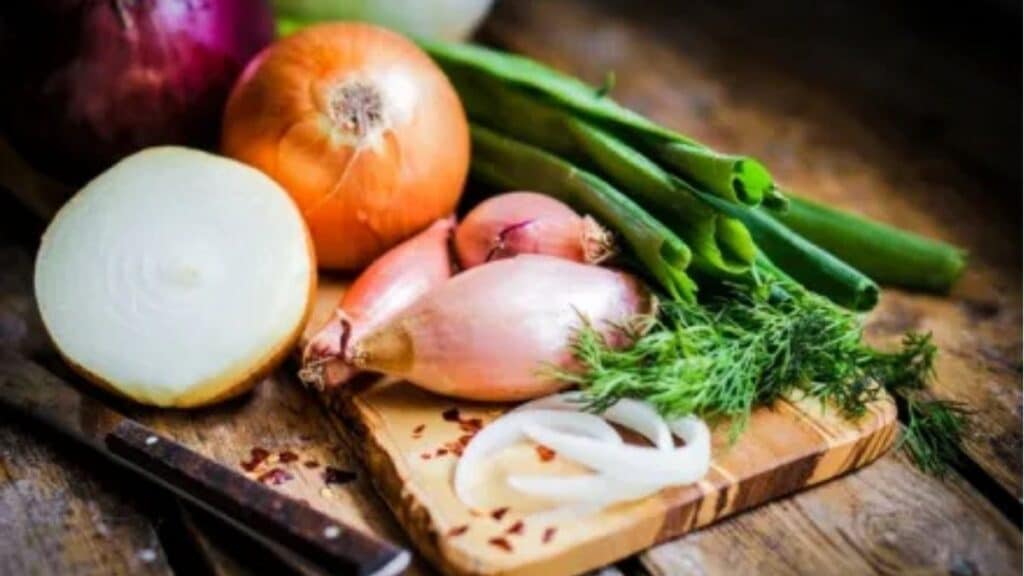
Before you start cooking, have everything chopped and ready. Dice your onions fine (a food processor makes this effortless—just pulse until you get small pieces, not a paste). Prepare your ginger-garlic paste the same way, or use 1-2 tablespoons of store-bought. Chop your tomatoes into small pieces. Cube your potatoes and carrots.
This upfront work makes the actual cooking seamless. Once you start, the process moves quickly, and you don’t want to be chopping vegetables while your onions burn.
Step 2: Sauté the Onions
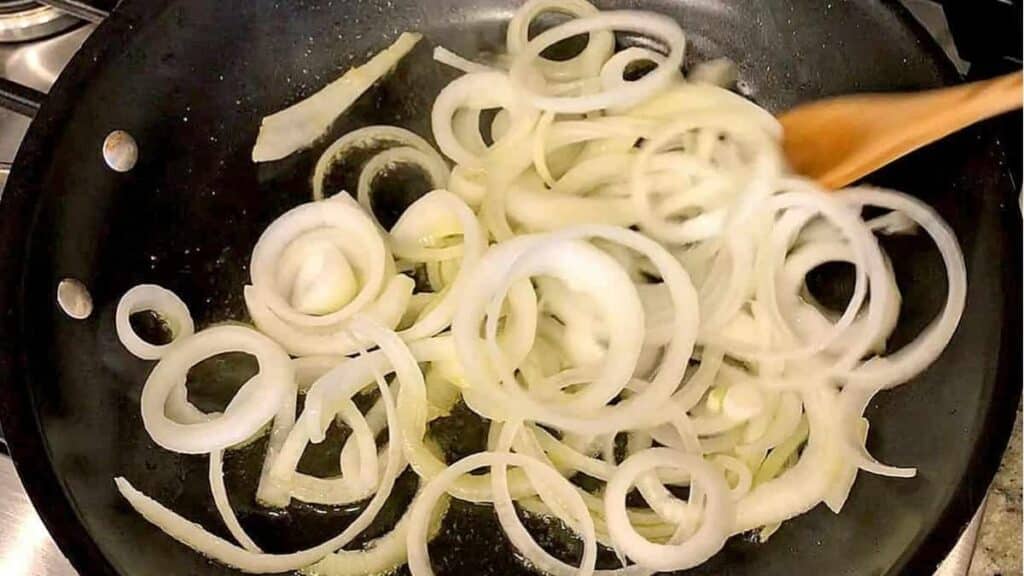
Heat 2-3 tablespoons of oil or ghee in a nonstick pan or heavy-bottomed skillet over medium heat. Once hot, add your chopped onions and a generous pinch of salt (this helps them release moisture and cook faster).
Sauté the onions, stirring occasionally, until they turn lightly golden—about 6-8 minutes. You’re looking for a light caramel color and a sweet aroma, not deep browning. If you notice bits sticking to the bottom of the pan, splash in a tablespoon or two of water to deglaze and keep stirring.
This step builds the flavor foundation. Properly cooked onions add natural sweetness and create the base that holds all your spices.
Step 3: Add Ginger-Garlic and Green Chili
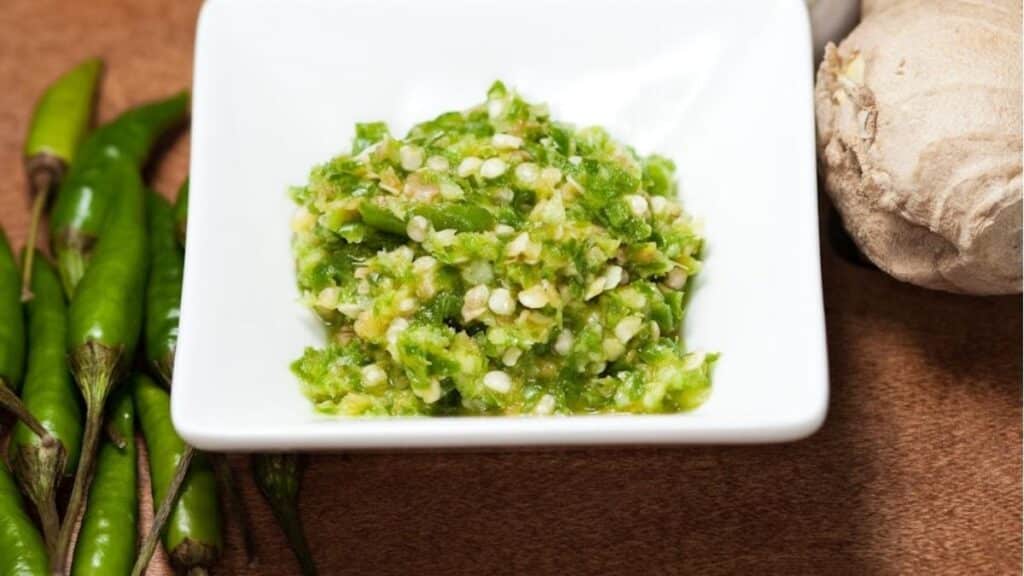
Add your ginger-garlic paste and chopped or slit green chili to the golden onions. Stir continuously for about a minute until the raw smell disappears and the mixture becomes fragrant. The pan will smell intensely aromatic—that’s exactly what you want.
If the mixture starts sticking, add another tablespoon of water and keep stirring. You’re building layers of flavor here, and each aromatic needs its moment to bloom before the next addition.
Step 4: Add Tomatoes and Cook Down
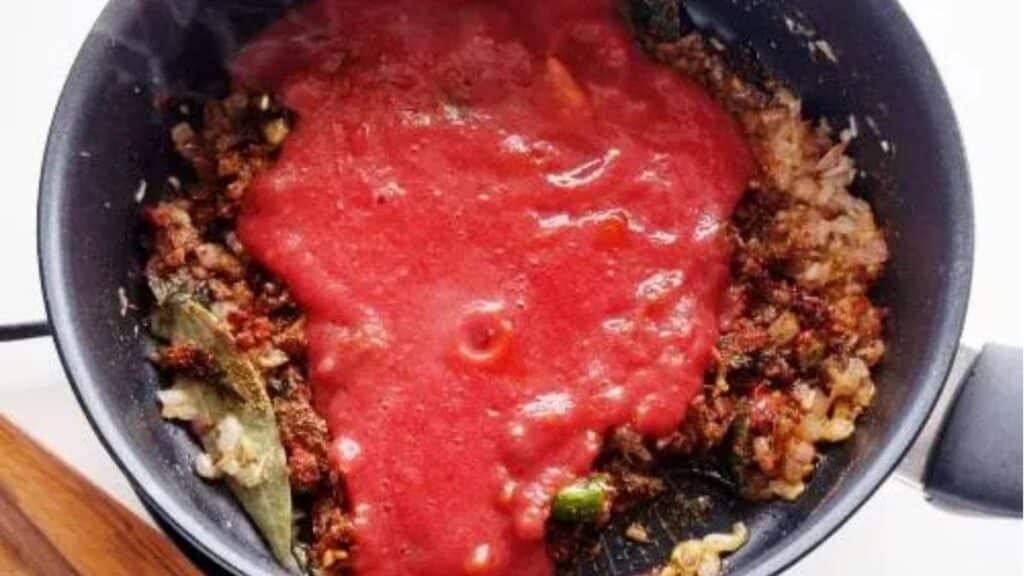
Add your chopped tomatoes to the pan. Stir everything together and cook for 3-4 minutes until the tomatoes break down and become soft. You’ll see them release their juices and start integrating with the onion-ginger-garlic mixture.
This is when you want to add all your ground spices: turmeric, cumin, coriander, red chili powder, and salt. Stir them into the tomato mixture and cook for another minute, allowing the spices to bloom in the oil and lose their raw taste.
The masala should look thick and well-combined, with the oil just beginning to separate at the edges. This is your flavor base—everything from this point builds on it.
Step 5: Add the Vegetables

Add your cubed potatoes first, stirring to coat them thoroughly with the masala. Let them cook for 2-3 minutes, stirring occasionally. Then add your carrots and peas, giving everything a good stir to ensure the vegetables are evenly coated with the spice mixture.
At this point, resist the urge to add water. The vegetables will release their own moisture, and that concentrated liquid is what creates the rich, clinging coating you’re after.
Step 6: Cover and Steam
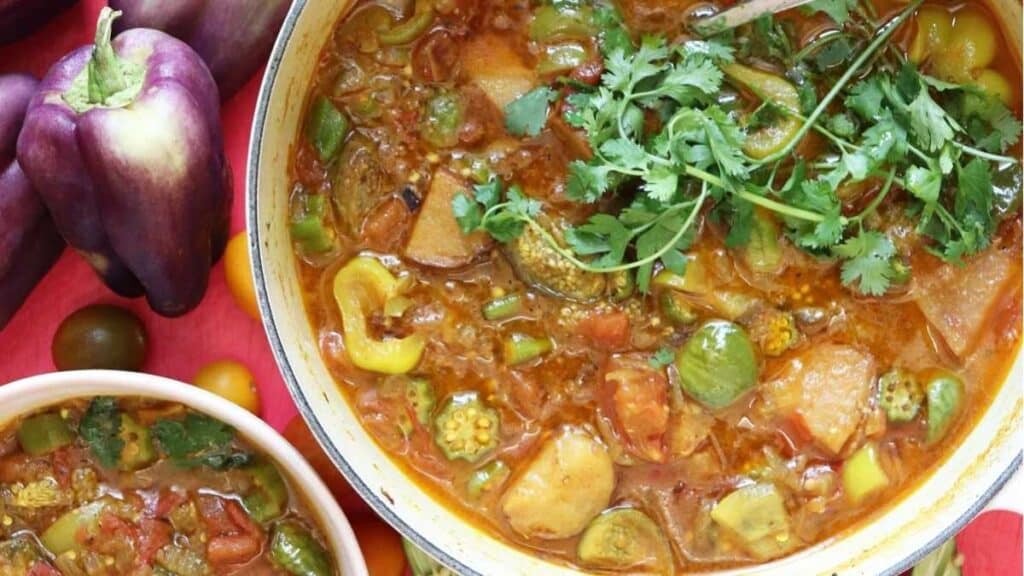
This is the crucial step. Lower the heat to low-medium, cover the pan with a tight-fitting lid, and let the vegetables steam in their own juices for 20-25 minutes.
Stir once or twice during this time—just lift the lid briefly, give everything a gentle stir to prevent sticking and ensure even cooking, then cover again immediately. Every time you lift the lid, steam escapes and you lose moisture, so minimize how often you check.
The vegetables are done when the potatoes are fork-tender and the carrots have softened but still have a slight bite. If you find the mixture is too dry and the vegetables aren’t quite cooked, you can add 2-3 tablespoons of water, cover again, and cook for a few more minutes.
Step 7: Finish with Kasuri Methi and Garam Masala
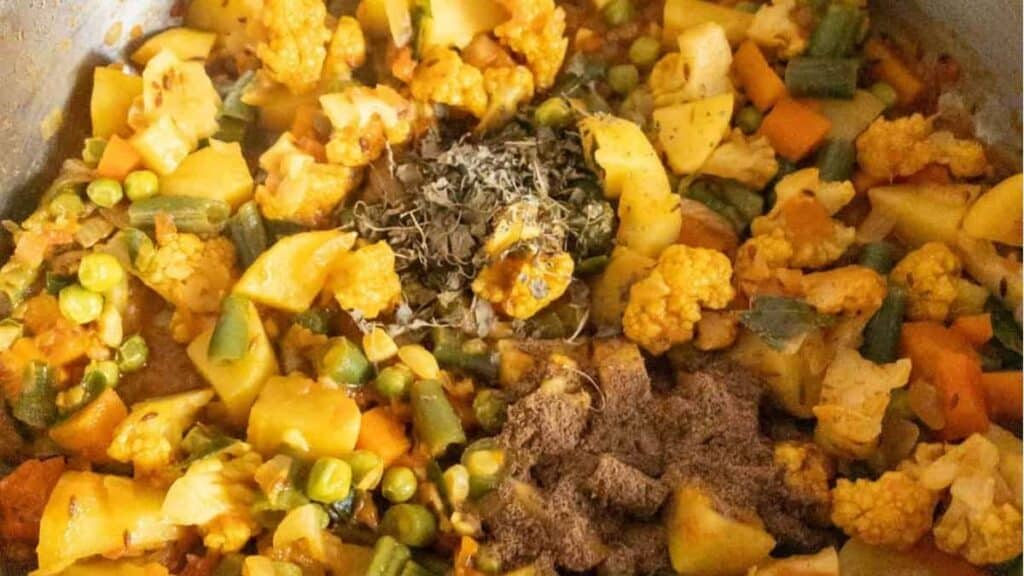
Once the vegetables are cooked, uncover the pan and add your garam masala and crushed kasuri methi. Stir gently to distribute them throughout. The residual heat will activate the garam masala’s aromatics and release the methi’s distinctive maple-like fragrance.
Taste and adjust salt if needed. Garnish with fresh chopped cilantro if you like, and it’s ready to serve.
Three Tips for Perfect Mixed Vegetable Curry
Let the Vegetables Cook in Their Own Juices
This is the most important technique for this recipe. Unlike many curries where you add water or broth, here you’re relying entirely on the moisture released by the vegetables themselves—particularly the tomatoes and the vegetables as they break down.
This concentration of natural juices creates deeper, more intense flavor than you’d get by diluting everything with water. The vegetables taste more like themselves, if that makes sense—potato-ier potatoes, sweeter carrots.
Only add water if absolutely necessary, and even then, just a few tablespoons. You want the finished dish to be moist but not swimming in liquid.
Use a Nonstick Pan
A nonstick skillet or pan prevents sticking and scorching, which is crucial when you’re cooking with minimal liquid. Stainless steel can work too, but you’ll need to watch more carefully and stir more often, which means releasing steam each time you lift the lid.
The best option is a nonstick pan with a heavy bottom that distributes heat evenly. This prevents hot spots that could burn the vegetables while others remain undercooked.
Quality Matters for Simple Dishes
When a recipe has so few ingredients, each one needs to pull its weight. Try to use organic vegetables if possible—particularly carrots. Organic carrots tend to be sweeter, juicier, and more flavorful than conventional ones. Fresh aromatics (ginger, garlic, green chili) make a noticeable difference over jarred or powdered versions.
This doesn’t mean the recipe won’t work with regular supermarket vegetables—it absolutely will. But if you want to elevate it from good to exceptional, starting with quality ingredients is the easiest way.
What to Serve with Mixed Vegetable Curry
The Traditional Way: With Flatbread
This dry-style curry is specifically designed to pair with Indian flatbreads. The slightly drier texture sits perfectly on roti, paratha, or naan without making it soggy, and you can scoop it up easily with torn pieces of bread.
Try brushing your roti or naan with a little butter or ghee while it’s still warm—the richness complements the spiced vegetables beautifully. For an even more indulgent meal, serve it with stuffed paratha like aloo paratha or methi paratha.
With Accompaniments
Achaar (Indian Pickle): A spoonful of tangy, spicy pickle on the side adds brightness and heat that contrasts beautifully with the mild, sweet vegetables. Mango pickle, lime pickle, or mixed vegetable pickle all work well.
Raita or Yogurt: A cooling yogurt side balances the spices. Plain yogurt works, or make a quick cucumber raita by mixing grated cucumber, roasted cumin, salt, and yogurt.
Dal: If you want a more substantial meal, serve this vegetable curry alongside a simple dal (lentils) and rice. The combination of curry, dal, roti, and rice is classic North Indian home cooking—balanced, satisfying, complete.
Make It a Complete Meal
For weeknight dinners, I often serve this curry with:
- Fresh roti or store-bought naan (warmed)
- A simple dal or chickpea curry for protein
- Sliced onions and lemon wedges on the side
- Green chutney or achaar for extra punch
This combination covers all your nutritional bases and creates a meal that feels abundant without being heavy.
Variations and Substitutions
Different Vegetables
The beauty of this recipe is its flexibility. While potatoes, peas, and carrots are traditional, you can adapt based on what’s in your fridge:
- Cauliflower: Add small florets along with the carrots
- Green Beans: Cut into 1-inch pieces, add with carrots
- Bell Peppers: Dice and add toward the end so they don’t get mushy
- Frozen Spinach: Stir in thawed, squeezed spinach during the last 5 minutes
- Mushrooms: Quartered or sliced, they add meaty texture
- Zucchini: Dice and add in the last 10 minutes to prevent mushiness
The key is matching cooking times—add quicker-cooking vegetables later, longer-cooking ones (like potatoes) at the beginning.
For Different Dietary Needs
Vegan: Use oil instead of ghee. The recipe is otherwise naturally vegan.
Low-carb: Reduce or eliminate potatoes, increase cauliflower and green beans.
Kid-friendly: Reduce or eliminate green chili and red chili powder. Kids often love the natural sweetness of the carrots and peas without much heat.
Regional Variations
Different regions of India make similar vegetable curries with slight variations:
- Bengali style: Add a pinch of sugar and use mustard oil instead of regular oil
- Gujarati style: Add a touch of jaggery for sweetness and kasuri methi more generously
- South Indian style: Add curry leaves, mustard seeds, and a touch of coconut
Why This Recipe Matters for Diaspora Cooking
There’s something quietly powerful about being able to make a proper vegetable sabzi in whatever kitchen you find yourself in. You don’t need specialty ingredients shipped from India. You don’t need equipment you left behind. Just vegetables available at any grocery store and spices you keep in your pantry.
For those teaching their children to cook, this is an ideal starter recipe. The technique is straightforward, the ingredients are forgiving, and the result is genuinely delicious. When your daughter successfully makes this curry for the first time, she’s not just learning to cook vegetables—she’s learning that she can create comfort and connection with her own hands
Can I use frozen mixed vegetables instead of fresh?
Yes, frozen mixed vegetables work well. Use about 3-4 cups of frozen mixed vegetables (look for bags that contain carrots, peas, beans, and corn)
What if I don’t have kasuri methi (dried fenugreek leaves)?
The curry will still be delicious without it, just missing that final layer of aromatic complexity. If you want to approximate the flavor, you can add a tiny pinch of maple syrup (methi has a slight maple-like taste) or substitute with dried oregano or dried parsley
Can I make this ahead of time?
Absolutely. This curry actually tastes better the next day after the flavors have had time to meld.
