


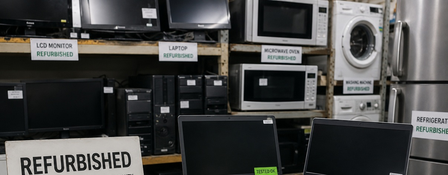
Bangladesh is grappling with a mounting electronic waste crisis fueled by a surge in imports of low-cost and refurbished electronics, primarily originating from China. Despite the implementation of Hazardous Waste (E-Waste) Management Rules in 2021, the country’s inadequate waste management and regulatory frameworks are unable to cope with the influx, as highlighted in a recent report by Mongabay. This situation is raising concerns among environmental researchers who caution that Bangladesh is at risk of becoming a dumping ground for global electronic waste.
The report revealed alarming statistics, indicating that between 2022 and 2024, Bangladesh illegally imported nearly 14,985 tonnes of e-waste, while its exports of e-waste components amounted to only 4,040 metric tonnes. Consequently, the country finds itself as a net importer of electronic waste, with an estimated import value of around $700,000 during this period. However, researchers suspect that the actual volume could be substantially higher due to inaccurate declarations and underreporting practices.
Furthermore, Bangladesh’s reliance on Chinese electronics imports has surged in recent years, with data from Bangladesh Bank showing that in the fiscal year 2024-25, the country spent over $2.47 billion on electrical appliances and accessories, including approximately $1.8 billion worth of goods from China. This growing dependence on imported electronics has raised concerns about the sustainability of electronic waste management in the country.
Environmental experts cited in the report have raised alarms over the short operational lifespans of many imported refurbished laptops, smartphones, and spare parts, which quickly turn into waste after being discarded. Dr. Shahriar Hossain, a senior technical adviser at the Environment and Social Development Organization (ESDO), highlighted that numerous imported devices are refurbished and resold as low-cost alternatives locally, contributing to the mounting e-waste crisis in Bangladesh.
The lack of adequate systems for managing the escalating volume of discarded electronics, batteries, and solar equipment poses a significant challenge for Bangladesh. The report underscored critical deficiencies in enforcement and coordination among customs authorities, the Department of Environment, and trade regulators, which have allowed illegal imports to persist despite existing regulations. Researchers have warned that informal recycling practices, often involving hazardous dismantling methods and child labor, pose severe risks to soil, water, and public health due to exposure to toxic substances like lead and cadmium.
