


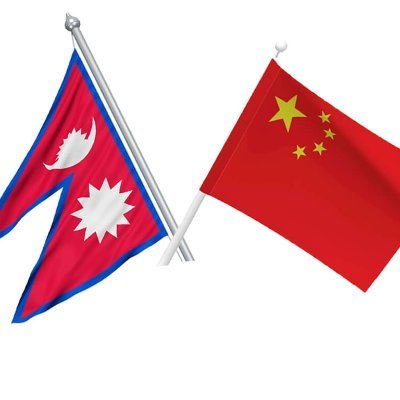
China is making efforts to enhance its influence in Nepal following recent engagements in Bangladesh. Vice Minister for Commerce Yan Dong’s visit to Kathmandu emphasized China’s aim for closer economic relations, faster project implementation, and investor protection. Nepal’s Foreign Minister’s meeting with his Chinese counterpart in Beijing marked the country’s first diplomatic visit to China under the new government.
The proposed Free Trade Agreement (FTA) and Bilateral Investment Agreement (BIA) by China aim to streamline business operations and expedite infrastructure projects at border crossings. Concerns have been raised in Nepal about the potential implications of large foreign investments, especially in light of experiences in other countries with Chinese projects. Nepal’s current government is strategically engaging with both China and India to maximize economic benefits while maintaining autonomy.
China’s interest in Nepal as a strategic foothold is evident through its investments under the Belt and Road Initiative (BRI). Despite efforts to improve ties with India, Nepal remains closely connected to its southern neighbor through various aspects. The incumbent government in Nepal is navigating a delicate balance between China and India, with a focus on leveraging competition for mutual gains.
Beijing’s requests for support in WTO arbitration and critical minerals from Nepal indicate a broader economic agenda aimed at securing political and commercial interests. The push for improved infrastructure and trade zones along the northern border could have significant geopolitical implications, impacting regional dynamics and connectivity. Discussions around a Bilateral Investment Agreement have been ongoing since 2014, reflecting Nepal’s cautious approach to economic partnerships.
