


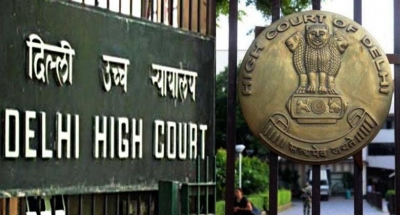
The Delhi High Court has declined a Chinese national and Vivo executive’s plea to travel back to China to see his critically ill father. The court stated that despite the humanitarian aspect, it was crucial to ensure his presence during the trial due to the absence of an extradition treaty or Mutual Legal Assistance Treaty between India and China. Justice Madhu Jain dismissed the application of Guangwen Kuang @ Andrew, who wished to visit his 82-year-old father in Guangzhou, suffering from a severe medical condition.
The court emphasized the need to balance humanitarian concerns with the requirement to secure the accused’s presence throughout the legal proceedings. The applicant, facing prosecution under the Prevention of Money Laundering Act, is involved in a case with alleged proceeds of crime amounting to a significant sum. The court highlighted the serious nature of the economic offense.
Noting the lack of extradition arrangements between India and China, the court expressed concerns about the accused’s potential non-return. It pointed out the challenges in verifying medical documents promptly due to the absence of a Mutual Legal Assistance Treaty. The court cited a previous Karnataka High Court ruling that restricted foreign nationals facing legal actions from leaving China, underscoring the importance of ensuring compliance.
The Delhi High Court rejected the applicant’s arguments based on a Supreme Court decision involving specific safeguards that were not present in this case. It highlighted the absence of a legally binding obligation to ensure the applicant’s return. Considering the gravity of the allegations, the court concluded that the circumstances did not warrant granting permission for the individual to travel to China, ultimately dismissing the application.
