


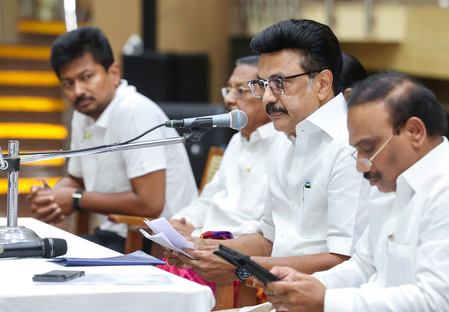
The DMK is facing internal discontent as it evaluates the reasons for its poor performance in the recent Tamil Nadu Assembly elections. Following the unexpected defeat, party president M.K. Stalin set up a committee to analyze the loss and propose restructuring measures for the upcoming Lok Sabha elections. However, grassroots workers are unhappy, claiming that the review process has sidelined them, with consultations mainly limited to district secretaries and senior office-bearers.
Many party members believe that the defeat was not only due to anti-incumbency but also because of certain senior leaders and district secretaries who were reportedly inaccessible and acted independently during the campaign. This has led to a lack of open discussion on these issues during the review meetings, as the same leaders accused of contributing to the setback are dominating the consultations.
The dissatisfaction within the party comes at a critical juncture as the DMK aims to rebuild its organizational structure post the electoral setback. With key allies exiting the alliance, the party leadership is under pressure to reassess its political strategy for the upcoming Lok Sabha elections in 2029. Political analysts suggest that Stalin’s internal review reflects an acknowledgment of deeper organizational weaknesses, but the success of this exercise hinges on the leadership’s willingness to accept criticism from grassroots levels rather than solely relying on feedback from senior functionaries.
