


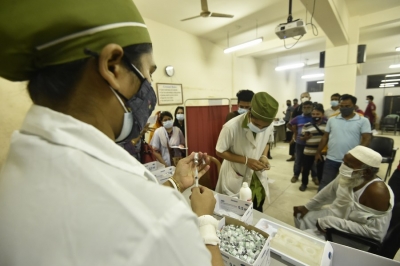
As of Wednesday, eight children succumbed to a measles outbreak in Bangladesh, pushing the total confirmed and suspected deaths to 639 since March 15 this year. The Directorate General of Health Services reported these fatalities within a 24-hour period. Among the recent deaths, all were classified as suspected cases, according to Bangladeshi media outlet UNB.
Reports indicate that while the confirmed death toll remains at 92, the number of suspected deaths has risen to 547. Over the past day, there were 945 new suspected measles cases recorded, bringing the total suspected cases to 82,029. Additionally, 94 new confirmed cases were reported, increasing the total to 9,927 during the same period.
Despite the government’s assertion that vaccination coverage has surpassed 100% of targeted children, Bangladesh continues to grapple with a severe measles outbreak. This has raised concerns among immunization experts regarding vaccine effectiveness and coverage gaps, as highlighted by the Dhaka Tribune. Hospitals nationwide are admitting over 1,000 children daily with measles or related symptoms, while fatalities persist.
Public health experts are alarmed by the ongoing surge in cases, emphasizing that high vaccination coverage does not guarantee protection unless children develop adequate immunity. Be-Nazir Ahmed, a former director of the government’s disease control branch, noted that measles transmission should significantly decrease when vaccination coverage exceeds 90%. However, the current situation suggests otherwise, indicating potential gaps in actual vaccination coverage.
The Awami League recently expressed deep concern over the escalating measles crisis in Bangladesh, attributing it to governance failures. The party criticized the response to the outbreak, stating that the crisis was not a natural disaster but a result of governance lapses. Urging immediate action, the Awami League called on the government to declare a national public health emergency with clear objectives, timelines, and transparent reporting. They also demanded an intensified emergency vaccination campaign with international oversight.
