


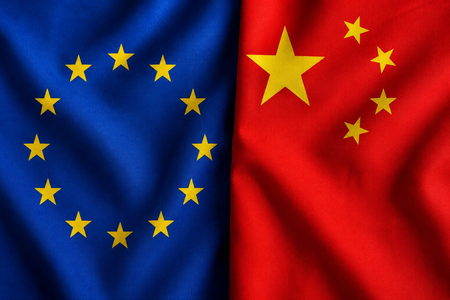
European Commission President Ursula von der Leyen announced plans to create new tools to tackle macroeconomic imbalances, particularly the concerning trade deficit with China. The initiative aims to assist European companies in specific sectors to diversify supply chains more rapidly, as current diversification efforts have been sluggish. Von der Leyen emphasized the need to utilize the existing toolbox more proactively to safeguard European interests.
The proposal involves encouraging companies to broaden their sources of critical components to prevent vulnerabilities that could be exploited. EU leaders expressed solidarity and endorsed a united European response to the issue, underscoring the importance of maintaining dialogue with China. European Council President António Costa highlighted the unsustainable nature of the current €1 billion daily trade deficit and stressed the necessity for tangible outcomes.
While some member states are cautious about adopting a more aggressive stance towards Beijing due to potential repercussions, others advocate for stronger measures to address China’s market-distorting practices. France, in particular, has called for enhanced tools to counter China’s overcapacity and subsidies. The summit signaled a more assertive approach by Brussels towards Beijing, reflecting a growing consensus on the need for robust action.
