


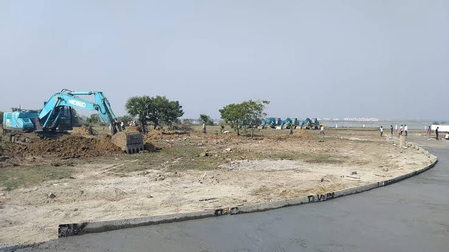
Representatives from 16 fishing villages in Chengalpattu district, spanning from Kanathur Reddikuppam to Kokkilimedu, have strongly opposed the proposed Kovalam-Mahabalipuram reservoir project. They fear it could harm traditional fishing livelihoods, impact coastal wetlands, and violate Coastal Regulation Zone (CRZ) guidelines. The fishermen raised concerns about losing their customary fishing grounds and the ecological impact on backwaters, salt marshes, and wetlands along the coast.
Tamil Nadu Chief Minister M.K. Stalin recently inaugurated the project, intended to serve as Chennai’s sixth drinking water source. However, the fishing community expressed worries that the project might disrupt their fishing zones and ecological balance. They questioned the legality of the CRZ clearance granted by the Tamil Nadu State Coastal Zone Management Authority in December 2025, alleging misclassification of active fishing areas as “vacant land” for approval.
The fishermen also criticized the project for not mapping and documenting traditional fishing zones, a requirement under the CRZ Notification, 2019. They emphasized that the project’s current form could harm fishing grounds and disregard the importance of living ecosystems. The proposed diversion of the Buckingham Canal raised concerns among the fishing villages, as it could impact drainage during monsoons, exacerbate flooding, and disrupt the natural connection between backwaters and the sea.
The fishing communities highlighted potential risks to salt marshes, brackish ecosystems, and local fisheries due to the project. They also pointed out the possible negative effects on indigenous Irular communities residing in the area. The reservoir, planned across approximately 4,300 acres of coastal wetlands between the East Coast Road and Old Mahabalipuram Road, aims to enhance drinking water supply to southern Chennai and address flooding issues in peri-urban regions.
Despite opposition, the Water Resources Department officials defended the project, stating that the site’s topography makes it the most viable large-scale storage option in the sub-basin. Chief Minister Stalin proceeded with laying the foundation stone for the reservoir project.
