


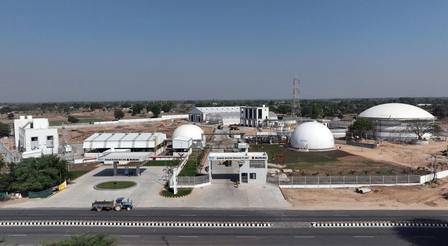
Gujarat’s Banas Bio-CNG project, spearheaded by Chief Minister Bhupendra Patel, is setting a new standard in rural economic development. By converting cow dung and organic waste into clean fuel and manure, the initiative not only generates substantial revenue for farmers but also aligns with the state’s environmental objectives.
The state government has earmarked Rs 60 crore in the upcoming budget to scale up the Bio-CNG sector in collaboration with milk production societies. Each plant is anticipated to yield approximately Rs 12 crore annually from the sale of compressed biogas and organic manure.
With daily outputs including 1,800 kg of compressed biogas, 25 metric tonnes of solid manure, and 75 metric tonnes of liquid manure, the project is proving to be financially lucrative. Market prices for these products range from Rs 0.50 to Rs 75 per kg, contributing significant daily revenues per plant.
Officials highlight that the Banas Bio-CNG model not only offers farmers a stable income source but also plays a crucial role in curbing carbon emissions. Directly benefiting hundreds of households in Banaskantha, the initiative underscores the potential for sustainable rural development through innovative energy solutions.
The success of the original plant in Banaskantha has paved the way for the establishment of five more large-scale facilities in the district. These plants, equipped with advanced processing capabilities, are not only creating employment opportunities but also driving environmental conservation efforts in the region.
