


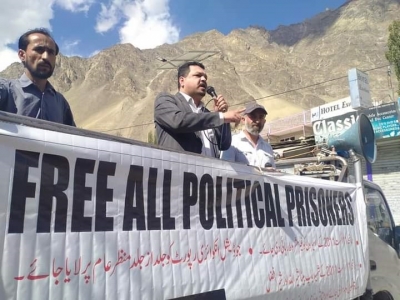
The deprivation of essential services in Pakistan-occupied Jammu and Kashmir (PoJK) and Pakistan-occupied Gilgit-Baltistan (PoGB) has led to a widening humanitarian crisis, with issues like inflation, unemployment, food insecurity, and power shortages intertwining with political exclusion and security-driven administration, as highlighted in a recent report. The report points out that protests in these regions have expanded beyond food prices to include grievances about electricity shortages, inflated power bills, and erosion of civil liberties, leading to region-wide shutdowns and demonstrations.
In PoJK and PoGB, residents face prolonged power outages despite hosting major hydropower projects, with authorities responding to protests with arrests, communication blackouts, and force. Land ownership disputes in PoGB, where large tracts of land are labeled as state property, have intensified resentment among locals who claim displacement without compensation. Moreover, the electricity generated from hydropower projects in these regions benefits Pakistan’s national grid, while local communities struggle with power shortages and high tariffs, deepening mistrust towards federal authorities.
Critics argue that Pakistani security agencies prioritize controlling dissent over addressing grievances, with reports of surveillance, intimidation, and enforced disappearances surfacing frequently. Activists from PoJK and PoGB have raised concerns about restrictions on freedom of expression and peaceful assembly at international forums, but Pakistan’s official response has often dismissed protests as influenced externally, deflecting from the economic and humanitarian issues raised by residents themselves.
