


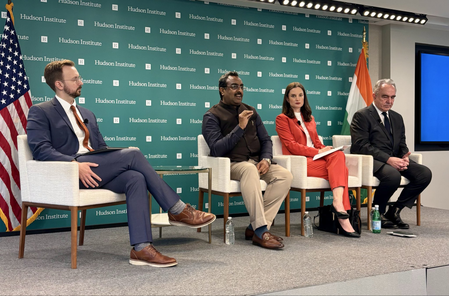
A lack of mutual trust has become a significant challenge in India-US relations, according to speakers at the Hudson Institute’s New India Conference. Ram Madhav highlighted the need to rebuild trust, noting a shift from previous phases of close alignment. The relationship, though resilient, is currently facing difficulties due to misaligned expectations and slower progress.
Elizabeth Threlkeld from the Stimson Centre mentioned that both sides often misunderstand each other’s limitations. She emphasized the importance of candidly reassessing shared interests to rebuild trust. Kurt Campbell, former US Deputy Secretary of State, pointed out that the strain goes beyond policy disagreements, causing emotional hurt among Indian friends.
The discussion also touched on persistent friction in trade, defense cooperation, and policy coordination, hampered by bureaucratic processes and differing political systems. Despite these challenges, speakers highlighted ongoing engagement and opportunities, especially in economic cooperation. Madhav noted India’s flexibility on key issues like tariffs and energy imports, expressing determination to move forward with a potential trade agreement.
Experts agreed that sustaining political attention and realigning priorities are crucial for the relationship, especially amidst global crises. The New India Conference, held on April 23, aimed to analyze India’s global trajectory and the future of US-India relations. Over the past two decades, the partnership has expanded in defense, trade, and technology, supported by a strong diaspora. However, recent geopolitical shifts have exposed structural gaps, underscoring the need for trust-building efforts.
