


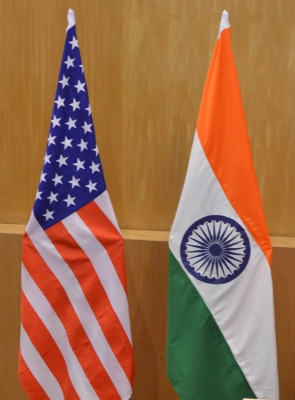
Indian and US officials are close to resolving the final hurdles in a proposed bilateral trade agreement. While both sides are in agreement on substance, they remain divided on sensitive tariff and sequencing issues. The aim is to establish a lasting deal that brings predictability and stability to bilateral trade. Negotiations have focused on a small set of unresolved items in recent weeks, with technical teams engaged in ongoing discussions. The agreement, once cleared by the US Trade Representative and India’s Commerce Ministry, will be sent for final approval to Prime Minister Narendra Modi and President Donald Trump.
Prime Minister Modi and President Trump have engaged in multiple phone calls over the past few months to discuss the proposed trade agreement. During the recent Davos meeting, Trump expressed optimism about a successful trade deal between India and the US. A key outcome of the agreement is expected to be the removal of the 50% tariff on Indian exports to the US, which was imposed last summer. While certain sectors, such as Indian textiles, have been significantly affected by this tariff, bilateral trade overall has seen a notable increase.
The trade deal has presented a mixed scenario beneath the surface. While textiles and apparel sectors have faced challenges, some fabric categories have shown slight improvements. Similarly, pharmaceutical exports have exhibited a similar trend, contributing to an overall growth in trade volumes. Legal uncertainties in the US, including a potential Supreme Court ruling on tariff authorities, are looming over the negotiations. While not directly influencing the talks, this remains a potential risk factor.
Support for the bilateral relationship remains strong in the US Congress, with lawmakers from both parties expressing backing for closer economic ties. However, immigration-related developments have impacted business sentiment, particularly concerns over increased fees on certain skilled-worker visas. Although not part of the trade discussions, these issues play a role in shaping perceptions of the broader relationship. The possibility of a US Supreme Court ruling altering the legal basis of certain tariffs could lead to Washington relying on alternative statutory authorities, potentially disrupting the trade enforcement narrative.
