


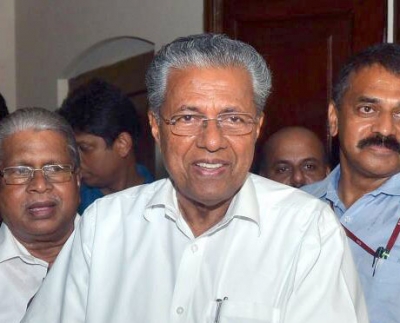
Kerala’s political landscape, known for its ideological focus, faced an unexpected controversy this week involving Chief Minister Pinarayi Vijayan and a lunch incident. The issue arose when veteran CPI leader C. Divakaran revealed that Vijayan had left a meal at a party leader’s home upon finding his favorite seer fish missing from the table. The absence of the premium fish, replaced with tuna, reportedly led to Vijayan’s abrupt departure, sparking online discussions.
The disclosure by Divakaran, while seemingly trivial, stirred attention due to the contrast with the party’s traditional emphasis on simplicity and austerity. The incident, revolving around a culinary preference, highlighted a departure from the party’s usual narrative of working-class values. Despite attempts to downplay the remarks, the controversy raised questions about political perceptions and personal experiences within Kerala’s political circles.
Jeeva Anandan, son of the late Anathalavattom Anandan, refuted Divakaran’s account, emphasizing the simplicity and inclusivity of meals at their home. Anandan’s detailed Facebook post challenged the notion of selective dining practices, recalling past leaders who embraced meals without preferences or complaints. The episode, blending political history with culinary memories, underscored the significance of food culture in shaping political narratives and public perceptions.
The debate, while centered on a seemingly trivial matter, reflects Kerala’s unique ability to intertwine political discourse with everyday experiences. The controversy over a missing seer fish has sparked discussions on political symbolism, personal narratives, and the intersection of food choices with public image. As the incident continues to resonate, the broader question lingers on whether the premium fish will find its way back to the Chief Minister’s official residence.
