


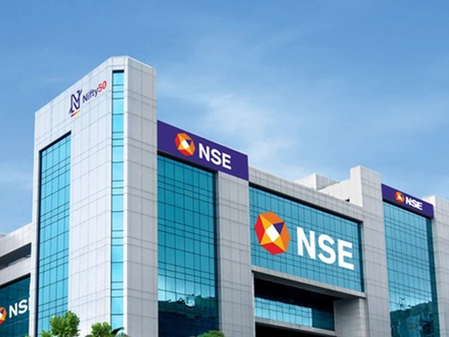
The National Stock Exchange’s (NSE) long-awaited initial public offering (IPO) is now expected to be launched in September due to ongoing regulatory and legal issues. Previous reports had hinted at an earlier market entry, but unresolved matters, such as the co-location case and disclosures in its draft red herring prospectus (DRHP), have caused delays in the listing process.
One of the significant hurdles has been the prolonged co-location and dark fibre cases. NSE revealed in its DRHP a proposed settlement amount of Rs 1,491.21 crore to resolve regulatory proceedings with the Securities and Exchange Board of India (SEBI). These matters are still pending before the Supreme Court, SEBI, and other judicial bodies, as detailed in the IPO documents.
SEBI Chairman Tuhin Kanta Pandey recently mentioned the regulator’s internal approval of the proposed settlement in the co-location case, signaling progress towards closure. However, the formal completion of the settlement process is still pending. Additionally, the DRHP highlighted another legal issue concerning the alleged wrongful retention and sale of NSE shares mistakenly credited to an individual’s demat account.
The IPO documents also outlined various operational and business risks faced by NSE, including regulatory changes, technology failures, cybersecurity incidents, and emerging risks related to artificial intelligence (AI) that could impact its business operations and financial performance. NSE emphasized its heavy dependence on trading income, particularly from the derivatives segment, cautioning that any regulatory or market changes affecting derivatives trading might affect its revenues.
If launched as scheduled, the IPO is anticipated to value the country’s largest stock exchange at over Rs 5 lakh crore. The exchange is set to conduct investor roadshows before the public issue, aiming to surpass Hyundai Motor India’s Rs 27,870-crore IPO launched in October 2024.
