


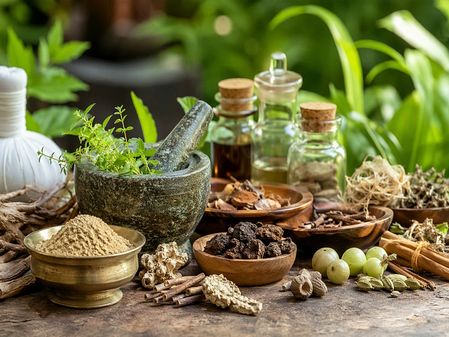
NITI Aayog, in partnership with PwC, has unveiled a report titled Strategic Roadmap for Making Ayurveda Global. The plan aims to elevate Ayurveda from a predominantly India-focused traditional system to a globally acknowledged healthcare model by 2047. Currently, Ayurveda holds official recognition in nearly 30 countries, with varying levels of licensing and integration into national health policies.
India boasts a strong ecosystem with more than 355,000 trained Ayurvedic practitioners, with the majority practicing within the country, resulting in limited international representation. The export of Ayurvedic products has shown steady growth, doubling from USD 1.09 billion in 2014 to USD 2.16 billion in 2023, reaching approximately 150 countries. However, most exports are classified as dietary supplements rather than medicines due to regulatory obstacles overseas.
The report highlights the expansion of international research collaborations, with about 70 countries currently involved in Ayurveda-related studies. The establishment of the WHO Global Traditional Medicine Centre in Jamnagar has further enhanced credibility in this field. Educational initiatives are also on the rise, with scholarships offered to foreign students and Ayush academic chairs established in international universities. Despite these advancements, the development of standardized global curricula remains a work in progress.
