


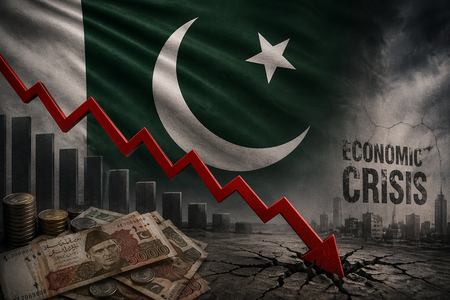
Pakistan has taken on a significant diplomatic role in the Muslim world by mediating between the US and Iran, despite its economic struggles, according to a German policy analyst. The nation is grappling with a severe economic crisis, relying on IMF loans to stabilize its economy while facing dwindling foreign currency reserves. This has led to a surge in prices of essential goods and ongoing energy supply issues, causing frustration among the populace.
The economic challenges have resulted in businesses closing, middle-class families cutting expenses, and brain drain, making life a struggle for many in Pakistan. While the country’s political discourse often centers around the concept of “Muslim Ummah,” other Muslim-majority nations like Saudi Arabia, Turkey, Qatar, and the UAE have prioritized economic development, technology, infrastructure, and foreign investment over religious considerations.
Despite its aspirations to mediate in West Asia conflicts, Pakistan’s internal issues, including political instability, military dominance in politics, weak institutions, and financial crises, hinder its progress. The country’s involvement in regional diplomacy is also driven by its own interests, as prolonged Middle East conflicts could further destabilize its economy due to global oil price surges and potential sectarian tensions within its borders.
The analyst emphasized that Pakistan should focus on strengthening its economy, improving education, ensuring democratic governance, and enhancing public welfare instead of seeking to assert itself as a leading Muslim nation.
