


Pakistan’s governance failures are not just limited to domestic politics but are also impacting its international reputation. The United States Trade Representative has criticized Islamabad for not effectively enforcing bans on forced labor, while the European Union has urged Pakistan to make significant progress in human rights, labor protections, and governance reforms. Recent reports from Pakistani media have shed light on the country’s governance crisis, emphasizing the challenges faced by democratic institutions, human rights, and labor protections.
The report underlines that governance issues in Pakistan have not been adequately addressed by successive governments, despite promises of reform. The lack of focus on good governance has led to citizen dissatisfaction, economic struggles, and a lack of genuine representation. The report also points out the strain on Pakistan’s working population, highlighting their grievances and the absence of effective political avenues to address their concerns.
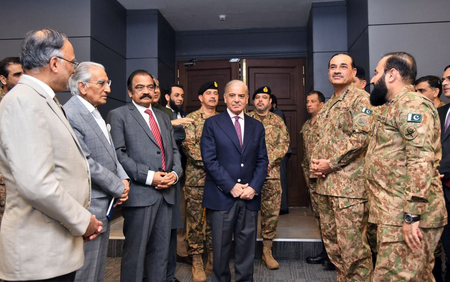
Highlighting the intertwined civilian and military influences in Pakistan’s political landscape, the report emphasizes how this hybrid system has weakened democratic institutions, concentrated power, and stifled dissent. The pervasive corruption in the country, estimated to cost billions of dollars annually, exacerbates the governance crisis and erodes public trust. Structural weaknesses such as bureaucratic power, political favoritism, and compromised judicial institutions further contribute to the erosion of investor confidence and public well-being.
The report underscores that Pakistan’s governance challenges, particularly in labor rights, justice delivery, and human rights, are impacting its trade relationships with key partners. It warns that without meaningful reforms focusing on transparency, accountability, and democratic renewal, Pakistan faces the risk of increased isolation on the global stage and heightened instability domestically.
