


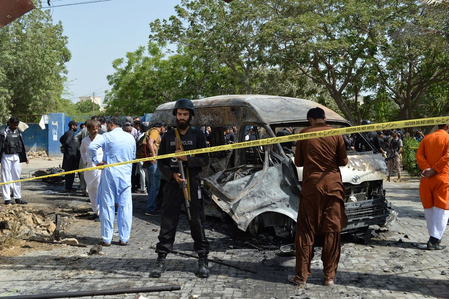
Pakistan faces economic challenges due to using terrorism as a state policy, currently relying on its 23rd IMF bailout. The Abbottabad raid, where Osama bin Laden was found, continues to influence global views on counter-terrorism efforts. Investigations have linked Pakistan-based groups to various terror incidents worldwide post-9/11.
The country’s economic crisis has led to borrowing from Saudi Arabia to repay debts. Improved ties with the US, tied to cryptocurrency and flattery, offer temporary relief. However, without distancing from terror networks, Pakistan risks instability and being labeled a “borderline failed state.”
Internal security issues include insurgencies in Khyber Pakhtunkhwa and the Baloch movement. Political instability worsens with the imprisonment of former PM Imran Khan. The military head, Gen Asim Munir, effectively governs, with Shehbaz Sharif as Prime Minister.
The search for bin Laden ended in 2011 after CIA-led intelligence work. Suspicions about Pakistan’s knowledge of bin Laden’s presence in Abbottabad persisted. The US provided aid for counter-terrorism despite allegations linking Pakistan to terror groups.
The Abbottabad operation heightened scrutiny of Pakistan’s terror network ties. The country’s duplicity in taking Western aid while supporting terrorists has been highlighted. The operation raised global concerns about Pakistan’s role in harboring bin Laden.
