


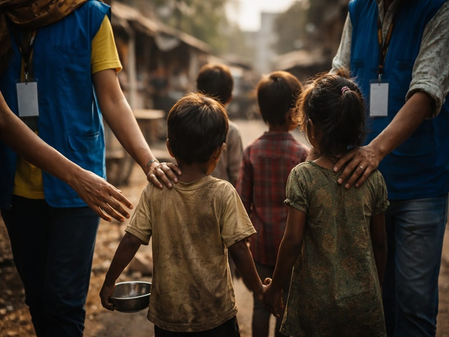
Punjab has taken a unique step by deciding to conduct DNA tests on children found begging with adults to verify their biological relationship. This initiative follows the rescue of 807 children involved in begging this year, with a focus on their rehabilitation. State Minister Baljit Kaur highlighted the Jeevanjyot campaign, which not only rescues children but also ensures their enrollment in schools for a better future.
After rescue, the government prioritizes health check-ups, counseling, educational support, and family rehabilitation to prevent children from returning to begging. The Jeevanjyot project includes special enforcement drives in all districts every second week of the month to combat child begging and trafficking. Project Jeevanjyot 2.0 has been launched to further strengthen efforts against child trafficking and exploitation.
The government’s commitment to eradicating child begging is evident through preventive measures like stopping 64 child marriages this year with the help of over 2,000 Child Marriage Prohibition Officers. Minister Kaur warned of strict legal action against individuals or groups involved in child begging or trafficking. DNA testing will be conducted in cases where the biological relationship between a child and an adult is in doubt, with stringent actions planned if the adult is not the biological parent.
Efforts to combat child begging have led to the rescue and repatriation of over 150 children to their families, along with the enrollment of more than 180 children in schools. Despite these initiatives, some children have gone missing after being placed in schools or homes. Project Jeevanjyot 2.0 integrates various legal provisions and guidelines to address child begging effectively.
The public is urged to support the government in eliminating child begging by refraining from giving alms to child beggars and reporting such cases to the Child Helpline number 1098. Cooperation from citizens is essential to ensure every child’s access to education and a dignified life.
