


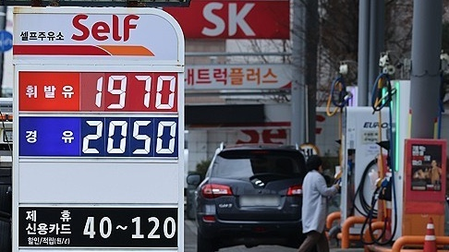
South Korea is set to significantly increase its temporary fuel tax reduction to alleviate the financial strain on consumers amidst the prolonged conflict in the Middle East. The current tax cuts of 7 percent on gasoline and 10 percent on diesel will now be raised to 15 percent and 25 percent, respectively. Originally scheduled to end in April, these tax cuts will now be extended until the end of May, resulting in a decrease in fuel taxes per liter, including value-added tax.
The decision aims to alleviate the impact of escalating oil prices and provide support to small and medium-sized enterprises, as well as vulnerable households affected by the ongoing conflict. Initially introduced in November 2021 in response to increasing energy costs, the fuel tax cut has been extended by the government, with adjustments made in line with global energy market fluctuations.
In a related development, South Korea’s low-cost carriers (LCCs) are reducing international flights to counter the effects of soaring fuel expenses due to the prolonged tensions in the Middle East. Air Premia Co. intends to suspend several flights on various routes, while Eastar Jet Co. plans to halt flights on specific routes citing refueling challenges in Vietnam. Other carriers like Air Busan Co. and Aero K Airlines Co. have already trimmed flights on international routes, with major LCCs also contemplating service reductions on select Southeast Asian routes.
Jet fuel prices in Asia and Oceania have surged, reaching US$204.95 per barrel in the week of March 13-20, marking a significant increase from the previous week and surpassing the average of the previous month.
