


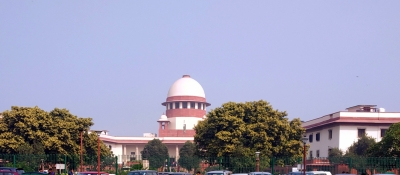
The Supreme Court expressed concern over West Bengal Chief Minister Mamata Banerjee’s alleged interference in an Enforcement Directorate (ED) investigation. Justices remarked that such actions could endanger democracy and should not be dismissed as a mere state versus Union government dispute. The court disapproved of a Chief Minister involving themselves in an investigation, stating it could undermine democratic processes.
During the hearing, the apex court highlighted the seriousness of the issue, questioning the justification of characterizing it as a federal dispute. The bench emphasized that the actions of an individual, even if holding a high office like Chief Minister, could jeopardize the entire democratic system. The court was unconvinced by arguments suggesting the issue was solely a matter between the State and the Union.
Senior advocate Meneka Guruswamy, representing state police officials, raised concerns about the maintainability of the ED’s plea under Article 32. She argued that government departments should pursue such matters under Article 131 as inter-governmental disputes rather than through writ petitions. The bench, however, remained skeptical, stating that not every legal question raised in a petition warrants referral to a larger bench.
Senior advocate Abhishek Manu Singhvi, appearing for the West Bengal government, contended that the ED’s recourse to Article 32 for alleged fundamental rights violations was unjustified. The Supreme Court was addressing a series of petitions stemming from ED allegations of obstruction during earlier search operations. The ED sought FIR registration and transfer of the probe to the CBI.
