


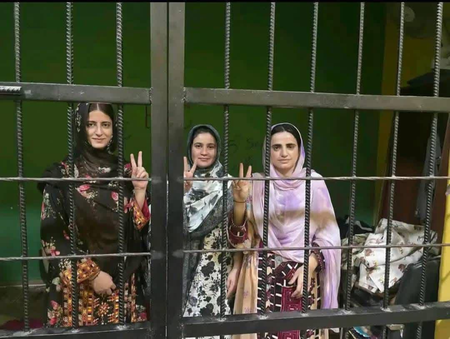
The United Nations experts strongly criticized the life sentence given to Baloch woman human rights defender Mahrang Baloch by an Anti-Terrorism Court in Quetta, Pakistan. The experts described the verdict as unjust and a travesty of justice. Mahrang, a leader of the Baloch Yakjehti Committee, along with three other activists, received life imprisonment on June 22 in connection with the killing of a Frontier Corps official.
The UN experts expressed concerns over the unfair trial and misuse of counter-terrorism and murder charges to suppress peaceful protests and freedoms of association and expression. They highlighted that Mahrang faces several pending cases with ongoing hearings, and nearly 50 police complaints have been filed against her, raising the possibility of further convictions.
The experts emphasized that the trials faced by Mahrang were marked by serious due process issues. They noted that the proceedings took place inside a prison, denying the accused the chance to appear in person despite her objections to remote video sessions affecting her defense participation. Additionally, Mahrang was not allowed to choose her legal counsel and was compelled to be represented by a state-appointed lawyer.
Expressing grave concerns over Mahrang’s health and the poor detention conditions, including limited access to medical care and alleged pressure on her family, the experts stressed the importance of upholding the right to a fair trial under international law, even in cases involving national security or counter-terrorism measures. They called on Pakistani authorities to adhere to their obligations under the International Covenant on Civil and Political Rights and prevent the misuse of counter-terrorism laws.
The experts warned that such convictions could silence independent voices in Balochistan, further restricting civic space. They highlighted the role of women human rights defenders in challenging norms and demanding accountability in a patriarchal security environment. The misuse of counter-terrorism measures has increased risks of gendered threats and reprisals, stigmatizing these defenders.
Highlighting a pattern of intimidation and harassment of Baloch human rights activists by Pakistani authorities, the experts cited a recent incident involving another prominent Baloch woman human rights defender, Sammi Deen Baloch, who faced an unlawful raid on her family home following repeated visits by security personnel, indicating a continued trend of intimidation and harassment.
