


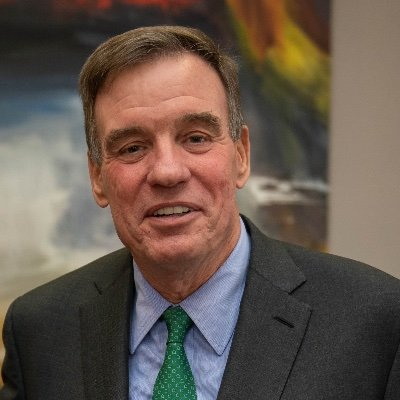
Mounting trade tensions, punitive tariffs, and a widening trust deficit are starting to impact the India-US relationship, according to a senior US lawmaker. Mark Warner, Chairman of the Senate Intelligence Committee and Co-Chair of the Senate India Caucus, expressed concerns about the current state of the partnership. Warner highlighted the importance of the relationship, stating that it is crucial for Washington’s global strategy but is falling short of its potential.
Warner acknowledged India’s growing global significance over the past decade, emphasizing the country’s evolving role vis-a-vis China. He mentioned efforts by previous US administrations to strengthen ties with India, aimed at reducing India’s reliance on Russian military equipment and positioning it as a strategic counterbalance to China. However, Warner criticized recent trade actions, particularly citing a 50% tariff, which he deemed unfair and inconsistent compared to other countries’ dealings with Russia.
The senator cautioned that these trade measures could weaken the traditionally strong bipartisan support for the India-US relationship in Congress. He also raised concerns about immigration policies, specifically mentioning issues with the H-1B visa program. Warner expressed disappointment over the lack of progress in advancing a trade agreement with India, especially in light of India’s recent deal with the European Union. He emphasized the need to recognize India’s strategic autonomy and warned that punitive tariffs might push India towards closer engagement with Beijing and Moscow.
Warner highlighted the active role played by the Senate India Caucus in stabilizing ties and influencing decision-making within the executive branch. He underscored the significance of the Indian American diaspora in fostering bilateral relations, noting their strong presence in Virginia and the Washington region. Warner mentioned that even Indian Americans who previously supported Trump were questioning the current policies towards India. He emphasized the importance of sustained bipartisan engagement to rebuild trust and momentum in the India-US relationship.
The partnership between India and the US has significantly expanded in the past two decades, encompassing various areas such as defence cooperation, intelligence sharing, technology collaboration, and people-to-people ties. Both governments have emphasized the relationship’s centrality to stability in the Indo-Pacific region, despite challenges posed by shifting global alignments and policy frictions.
