


In this Stranger Things Season 5 finale review, we examine how one of streaming’s most influential series brings its eight-year journey to a close. When was the last time you approached a finale with equal parts excitement and dread—excited to see how beloved characters’ stories conclude, yet dreading the goodbye itself? “The Rightside Up” arrives carrying the weight of cultural phenomenon status, tasked with satisfying millions of fans who’ve grown up alongside the kids of Hawkins.
Since 2016, Stranger Things has been lightning in a bottle—a supernatural thriller wrapped in Spielbergian wonder, Stephen King dread, and the emotional messiness of growing up. The Duffer Brothers steadily raised stakes across four seasons, turning Hawkins into one of pop culture’s most recognizable fictional towns. Now, with a runtime of 2 hours and 8 minutes, this finale must accomplish the hardest task of all: ending it in a way that honors everything that came before while providing satisfying closure.
Let’s dive into how Stranger Things says goodbye to Eleven, Hopper, and the entire Hawkins crew in what may be the most emotionally authentic—yet curiously subdued—ending to a major streaming series in recent memory.
In a Nutshell:
Stranger Things Season 5 finale, “The Rightside Up,” brings eight years of supernatural adventures to a close with technical brilliance and heartfelt character resolutions. While the 2-hour-8-minute episode succeeds in tying up loose ends and delivering touching moments, it trades the nail-biting tension that defined the series for comforting reassurance. Vecna’s underwhelming conclusion and subdued stakes may disappoint fans expecting a devastating climax, but the ensemble’s masterful performances and emotional authenticity make this farewell worth celebrating.
Language: English
Age Rating: TV-14
Genre: Supernatural Thriller, Science Fiction, Coming-of-Age Drama
Directors/Creators: The Duffer Brothers
Streaming Platform: Netflix
The Story: Hawkins Gets Its Hard-Earned Resolution
After four seasons of escalating supernatural threats, the finale tasks itself with the hardest job of all—ending a beloved cultural phenomenon. “The Rightside Up” finds Hawkins at its breaking point, with the Upside Down bleeding into reality and Vecna at full strength. But rather than doubling down on horror and danger, the Duffer Brothers opt for emotional intensity over narrative escalation.
The episode reveals that Vecna and the Mind Flayer are intrinsically connected, providing elegant mythological closure to threads woven throughout the series. Loose ends are tied, character arcs reach their natural conclusions, and the town finally gets a chance to breathe after years of trauma. It’s a thoughtful, human approach that prioritizes healing over horror—a choice that defines both the episode’s strengths and its limitations.
Performances: The Heart That Never Stopped Beating
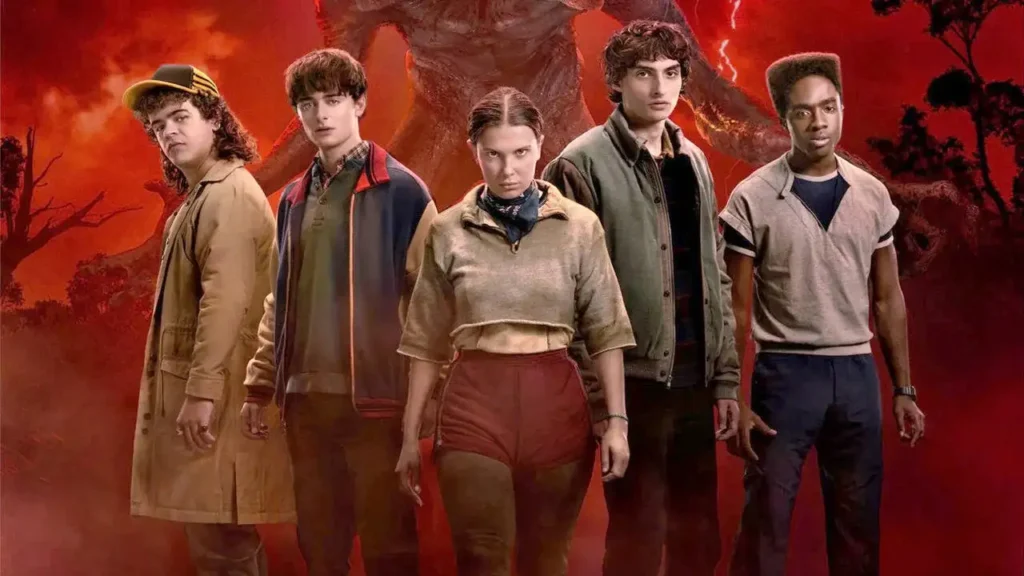
Millie Bobby Brown: Anchoring With Quiet Power
Brown delivers her most restrained yet powerful performance as Eleven. After five seasons of growth, she brings quiet intensity to every moment, conveying the weight of everything her character has endured without relying on supernatural spectacle. Her emotional scenes with Harbour anchor the finale, reminding us why this relationship became the series’ emotional core.
David Harbour: The Soul of Hawkins
Hopper remains the show’s emotional constant, and Harbour brings fierce tenderness to his final chapter. His protective instincts and gruff vulnerability shine through in every scene, particularly his moments with Eleven that feel earned after seasons of building their father-daughter bond. He embodies everything the series has always been about—flawed people rising to impossible challenges.
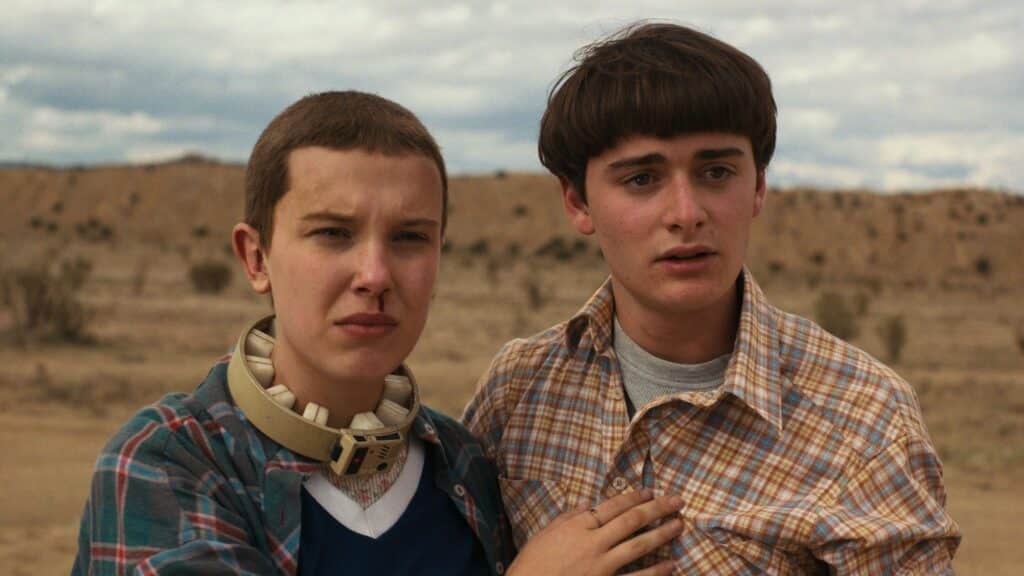
Winona Ryder: Fierce Maternal Energy
Ryder’s Joyce gets moments of pure, feral aggression that prove cathartic and remind viewers why she was perfectly cast from day one. Her rage and resolve feel utterly authentic, particularly when protecting her family. She brings decades of acting experience to moments that could feel routine, elevating them through sheer emotional commitment.
The Grown-Up Ensemble: Effortless Chemistry
Finn Wolfhard, Noah Schnapp, Gaten Matarazzo, and Caleb McLaughlin have grown alongside their characters, and it shows. They slip into their roles with the ease that only comes from years of shared history. Mike’s quiet grief, Dustin’s loyal heart, Will’s complex emotions, and Lucas’s steady presence all get their due.
Natalie Dyer, Charlie Heaton, Maya Hawke, Joe Keery, and Sadie Sink round out the ensemble with performances that honor their character journeys. Steve and Dustin’s brotherhood receives heartfelt acknowledgment, while each actor finds authentic moments within the emotional tapestry.
Jamie Campbell Bower and Nell Fisher: Completing the Picture
Bower maintains his menacing presence as Vecna/Henry, even if the final confrontation doesn’t quite crackle as expected. Meanwhile, Nell Fisher surprises as Holly Wheeler, delivering an assured performance that holds its own against the veteran cast.
Direction and Vision: Prioritizing Comfort Over Chaos
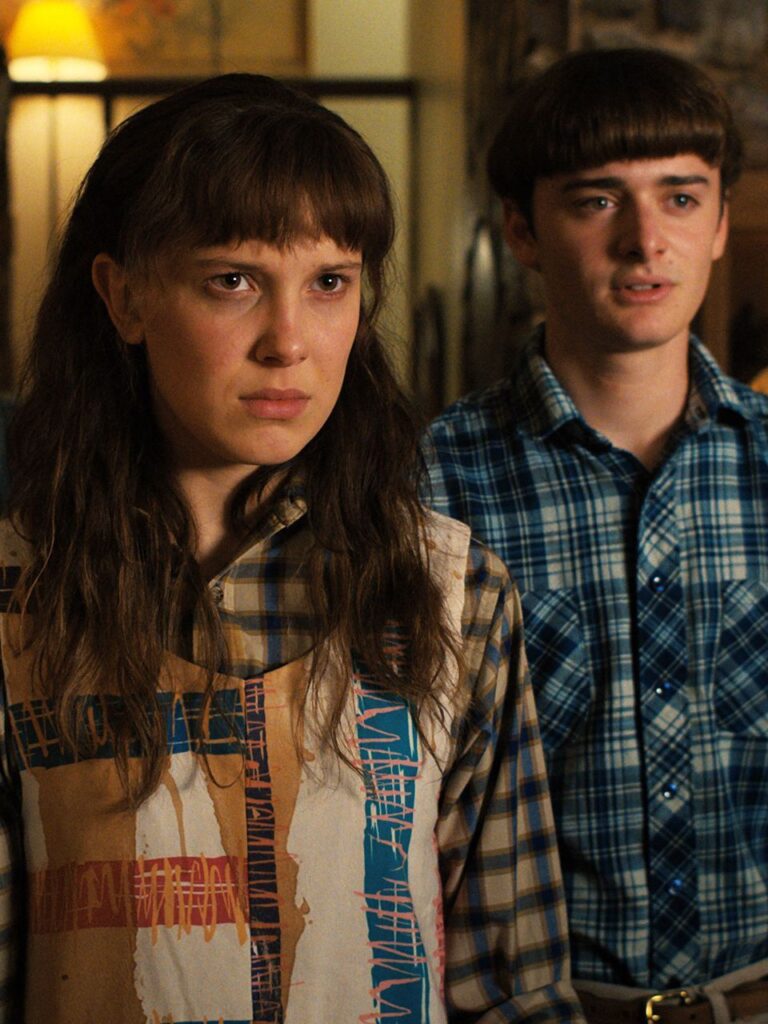
The Duffer Brothers demonstrate acute awareness of fan expectations—and instead of challenging them, they lean into familiarity. After training audiences for four seasons to expect shocking twists and devastating losses, they pivot toward reassurance. It’s a bold choice that will divide viewers depending on what they wanted from this finale.
The episode signals emotional intensity from its opening minutes, but the tension rarely spikes the way it once did. There are moments hinting at real danger, but more often than not, the finale opts for comfort. The final hour dedicates substantial time to emotional decompression—characters grieving, healing, and remembering what normal looks like after years of supernatural trauma.
These are thoughtful, human moments that showcase the Duffer Brothers’ genuine care for their characters. However, they also dilute what should feel like an all-or-nothing climax. The mythology converges beautifully, but the execution feels curiously restrained for a series that built its reputation on going further than expected.
Technical Brilliance: Peak Cinema Standards
Cinematography: Visual Poetry at Scale
The cinematography reaches cinematic heights, with the Upside Down invasion rendered through stunning effects that blur dimensional boundaries. Every frame reflects the substantial production value Netflix invested in this conclusion. The visual language established over eight years culminates here, with compositions that feel simultaneously nostalgic and expansive.
Sound Design and Score: Amplifying Emotion
The musical score deploys its emotional weaponry expertly, though more for pathos than terror in this final chapter. Sound design continues to be atmospheric and immersive, creating the signature Stranger Things ambiance that’s become instantly recognizable. The technical departments deliver peak work that makes this feel like a feature film rather than television.
Production Design: Hawkins Lives and Breathes
The 1980s aesthetic remains impeccable, with production design that maintains authenticity while elevating scale. From the bleeding Upside Down to Hawkins’ attempted recovery, every location feels tangible and lived-in. The attention to detail that made audiences fall in love with this world remains consistent through the final frame.
Cultural Impact: Saying Goodbye to a Phenomenon

When Stranger Things arrived in 2016, it felt like lightning in a bottle—Spielbergian wonder wrapped in Stephen King dread and the emotional messiness of growing up. The series became a cultural touchstone, its mythology and characters embedded in pop culture consciousness. This finale must honor that legacy while providing closure, a nearly impossible balancing act.
The Duffer Brothers succeed in reminding audiences why they loved these characters, even if they don’t reveal anything particularly new about them. After five seasons, you already know how good this cast is. The finale simply reassures you that they’re still who you loved—which brings both comfort and a slight sense of missed opportunity for final revelations.
Strengths and Where It Stumbles
What Works Magnificently
- Entire ensemble delivering masterful final performances – Every actor shines with authentic emotion
- Technical excellence across all departments – Cinematography, sound, and production design at peak levels
- Emotional authenticity in character resolutions – Genuine care for these relationships shows through
- Mythological convergence that makes narrative sense – Vecna/Mind Flayer connection provides satisfying closure
- Prioritizing heart over spectacle – A deliberate choice that honors the series’ emotional core
- Extended runtime allowing breathing room – Moments get space to land properly
Where It Could Improve
- Vecna’s anticlimactic final confrontation – Series’ most formidable villain deserved better
- Subdued tension despite supposedly highest stakes – Rarely feels as dangerous as it should
- Familiar rather than revelatory character work – Reassures rather than surprises
- Final hour’s heavy emotional decompression – Dilutes climactic urgency
- Playing it safe instead of bold – Leans into expectations rather than challenging them
Final Verdict: 4.5/5 Stars ⭐⭐⭐⭐½
Stranger Things Season 5 finale accomplishes what any series conclusion must—it provides closure. Every major character receives meaningful resolution, mythology converges with satisfying logic, and Hawkins earns its chance to finally heal. The performances remind us why we fell in love with these characters in 2016, and the technical execution maintains the cinematic standard that elevated this series beyond typical streaming fare.
However, the finale reveals an inherent tension in concluding beloved stories. The Duffer Brothers chose comfort over chaos, heart over horror, reassurance over risk. For a show that thrived on upending expectations and delivering genuine scares, this gentler approach may feel anticlimactic to fans expecting something more devastating or shocking.
Yet perhaps that’s exactly what Stranger Things needed to be in the end—a story about resilience, friendship, and finding your way home after confronting darkness. The finale doesn’t reinvent what the series has been; it reinforces it with emotional honesty and technical brilliance.
The Bottom Line
Stranger Things Season 5 finale is essential viewing for anyone who’s followed this journey. It won’t deliver the nail-biting intensity you might expect, but it offers something equally valuable—genuine emotional closure wrapped in stunning technical craftsmanship. The Duffer Brothers remember that behind all the supernatural spectacle are characters we genuinely care about, and they give those characters the farewell they deserve.
This is comfort television in the best possible sense—not because it’s easy or unchallenging, but because it chooses to end with hope rather than devastation. After years of watching Hawkins face impossible darkness, seeing its defenders find peace feels like the most satisfying resolution of all.
Should You Watch? Absolutely. Whether completing the journey as a longtime fan or experiencing the cultural phenomenon for the first time, the finale delivers satisfying emotional payoff. Just adjust expectations from edge-of-seat horror to heartfelt farewell, and you’ll find plenty to celebrate in this carefully crafted conclusion to one of streaming’s most iconic series.
