


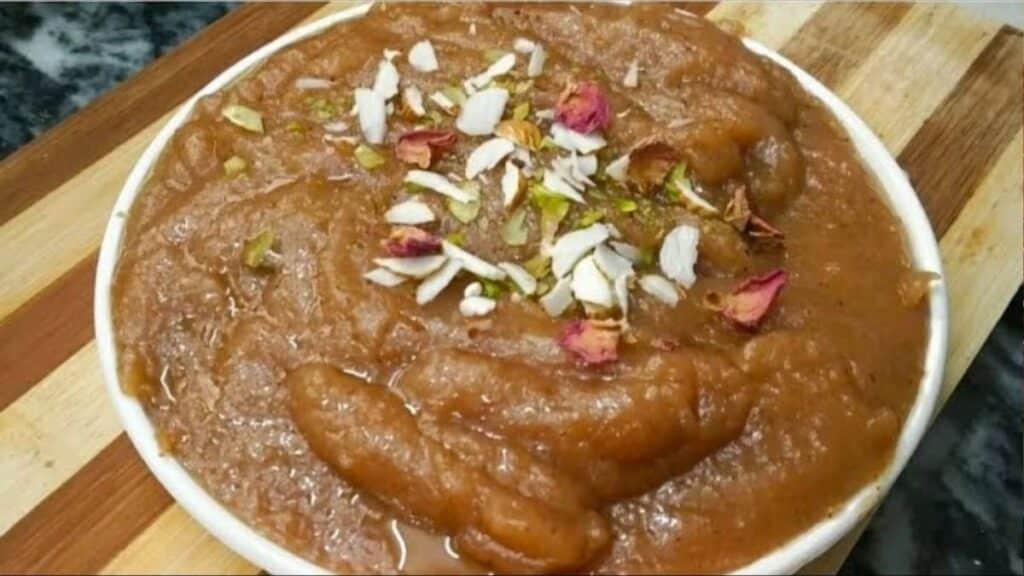
There’s a moment during Navratri when the evening aarti ends, the lamps are still flickering, and someone brings out a bowl of warm halwa that smells like ghee and cardamom and something faintly sweet. That’s singhare ka halwa. And if you’ve ever tasted it fresh off the stove, still glossy and soft, you know it’s one of those things that doesn’t need much—just the right ingredients, a little patience, and maybe a quiet kitchen where you can stir without distraction.
This isn’t the kind of dessert that demands hours of your time or a list of ingredients you’ll never use again. It’s quick, it’s forgiving, and it fits perfectly into the rhythm of fasting days when you’re juggling puja prep, meal planning, and everything else that comes with Navratri. More than that, it’s sattvic—pure, light, and gentle on your system when you’re eating less and eating differently.
Table of Contents
What Exactly Is Singhare Ka Halwa?
Singhare ka halwa is a traditional fasting dessert made from water chestnut flour, ghee, sugar, and just a hint of cardamom. The flour comes from Trapa natans, an aquatic plant whose nuts are dried and ground into a fine, starchy powder. It’s naturally gluten-free, which is part of why it works so well during Navratri when grains like wheat and rice are strictly avoided.
In Ayurvedic terms, singhara is considered cooling and easy to digest—the kind of food that doesn’t weigh you down when your body is in fasting mode. It’s sattvic, meaning it’s prepared without onion, garlic, or anything that might overstimulate the senses. Just clean, simple ingredients that align with the spiritual focus of the festival.
And unlike some fasting foods that feel like compromises, singhare ka halwa actually tastes like something you’d want to eat. It’s soft, mildly sweet, aromatic from the cardamom, and rich from the ghee without being heavy. When it’s done right, it almost melts on your tongue.
Recipe Overview
| Detail | Information |
| Prep Time | 5 minutes |
| Cook Time | 15 minutes |
| Total Time | 15-20 minutes |
| Servings | 4 people |
| Cuisine | Indian (Vrat/Fasting) |
| Course | Dessert/Prasad |
| Diet | Vegetarian, Gluten-Free, Vrat-Friendly |
| Difficulty Level | Easy |
| Calories per Serving | 150-200 kcal |
Ingredients List
| Ingredient | Quantity | Notes |
| Singhara atta (Water chestnut flour) | ½ cup | Must be fresh and dry |
| Ghee | ⅓ cup | Pure ghee works best |
| Boiling water | 1 cup | Must be boiling hot |
| Sugar | ⅓–½ cup | Adjust to taste |
| Cardamom powder | ¼ teaspoon | Freshly ground preferred |
| Mixed nuts (cashews, almonds) | 2 tablespoons | For garnish, chopped |
| Sendha namak (optional) | Small pinch | Only if preferred |
Why Singhare Ka Halwa Is Perfect for Navratri
Chaitra Navratri 2026 is expected to begin around March 19 and run through March 27, though the exact dates depend on lunar calculations and can vary slightly by region. During these nine days, the usual rules of eating don’t apply. No wheat. No rice. No regular table salt. Instead, you’re working with a specific set of vrat-approved ingredients: kuttu, singhara, sabudana, sama rice, potatoes, and sendha namak.
Singhara flour fits perfectly into this framework. It’s allowed, it’s accessible, and it gives you the kind of quick energy you need when you’re eating fewer meals and spacing them further apart. With roughly 70 grams of carbohydrates per 100 grams of flour, it provides sustained fuel without spiking your blood sugar the way refined sugar alone would. The fiber content—around 8 to 10 grams per 100 grams—helps with digestion, which matters when your eating patterns are disrupted.
CHECK MORE ON: Kuttu Ki Puri Recipe
The Key to Getting It Right: Technique Over Everything
Here’s the thing about singhare ka halwa: the ingredient list is short, but the technique is everything. If you rush the roasting or add cold water instead of boiling, you’ll end up with a lumpy, grainy mess that tastes raw and looks unappetizing. But if you follow a few simple principles, it comes together beautifully every single time.
The two most important steps are roasting the flour properly and adding boiling water while stirring continuously. That’s it. Get those two things right, and the rest falls into place.
Step-by-Step Instructions: Making Perfect Singhare Ka Halwa
Step 1: Roast the Singhara Flour in Ghee
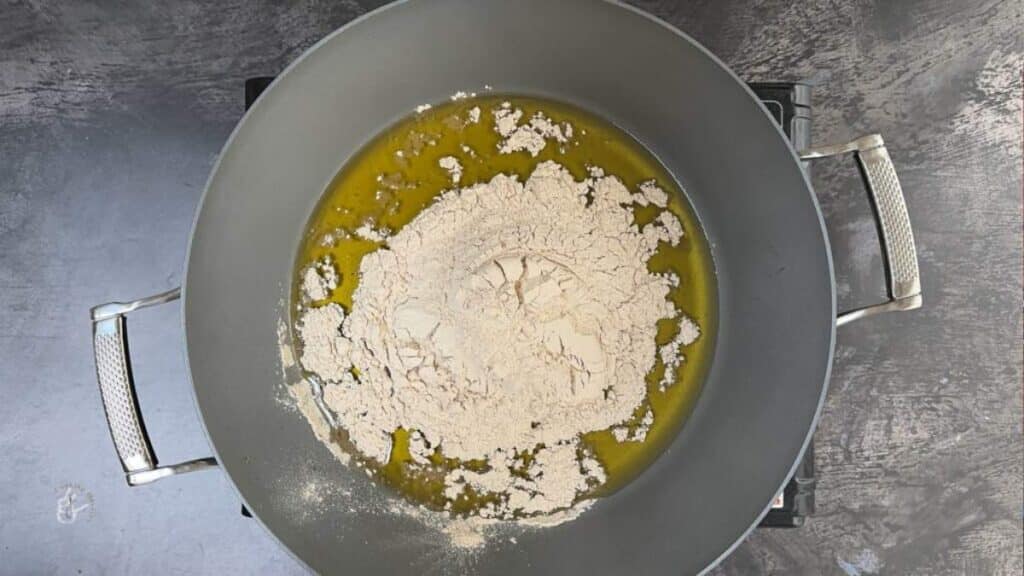
Heat ⅓ cup of ghee in a heavy-bottomed pan or kadhai over medium flame. Once the ghee melts and becomes hot, add ½ cup of singhara atta.
Time: 6-7 minutes
Step 2: Boil the Water
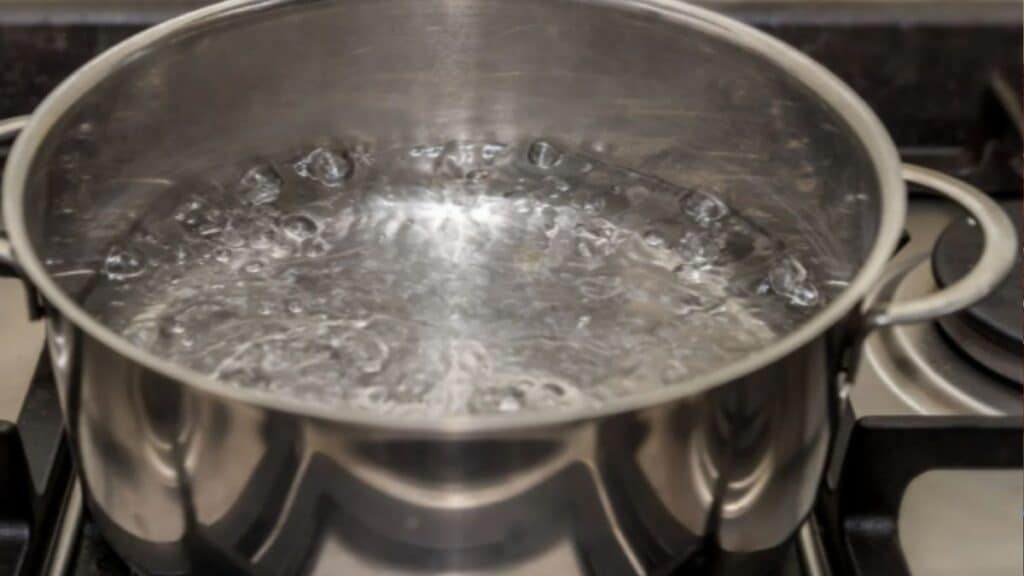
While the flour is roasting, bring 1 cup of water to a full, rolling boil in a separate pot or kettle. This is non-negotiable. The water must be boiling hot when you add it to the roasted flour. Cold or lukewarm water will cause the flour to clump and seize up, giving you lumps that are nearly impossible to stir out.
Time: 5 minutes (can be done simultaneously with Step 1)
Step 3: Add the Boiling Water
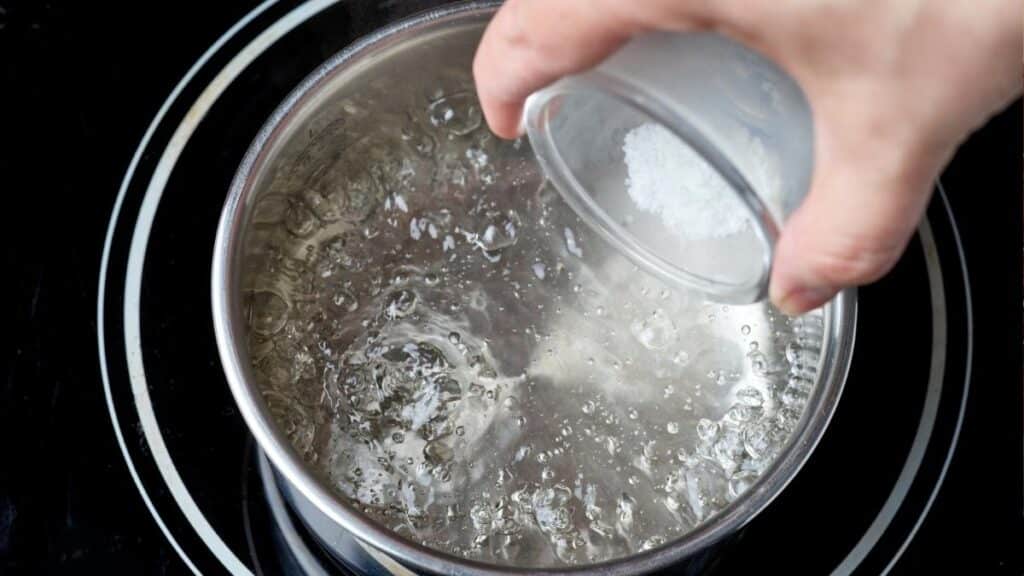
Once the flour is roasted and aromatic, reduce the heat to low. Very carefully, start adding the boiling water in a slow, steady stream while stirring continuously with your other hand. This is where things can go wrong if you’re not paying attention, so stay focused.
Time: 2-3 minutes
Step 4: Add Sugar and Cardamom
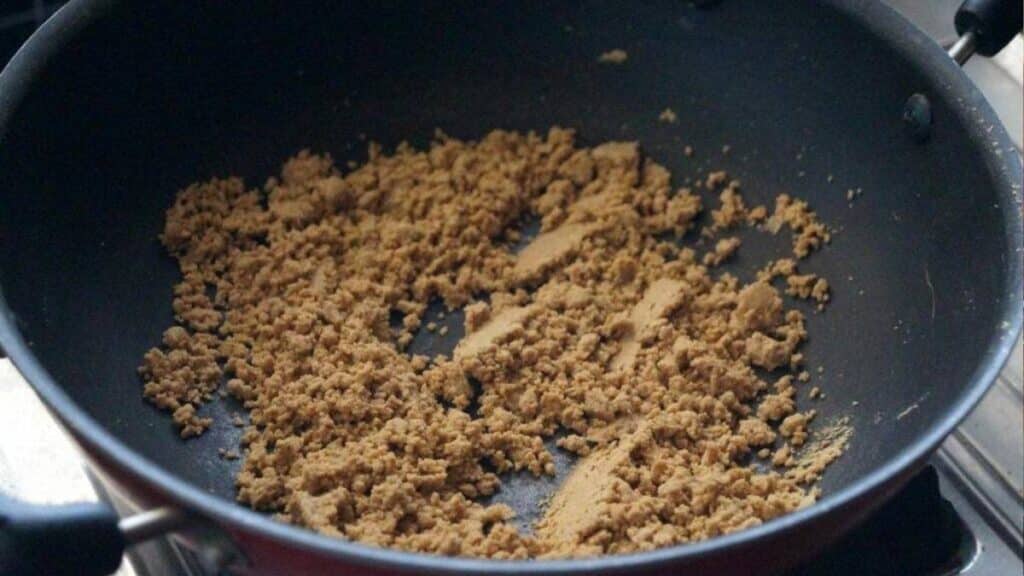
Once all the water is incorporated and the mixture is smooth, add ⅓ to ½ cup of sugar, depending on how sweet you like it. Stir well. The sugar will dissolve quickly in the warm halwa and add moisture.
Time: 1-2 minutes
Step 5: Cook Until Ghee Separates
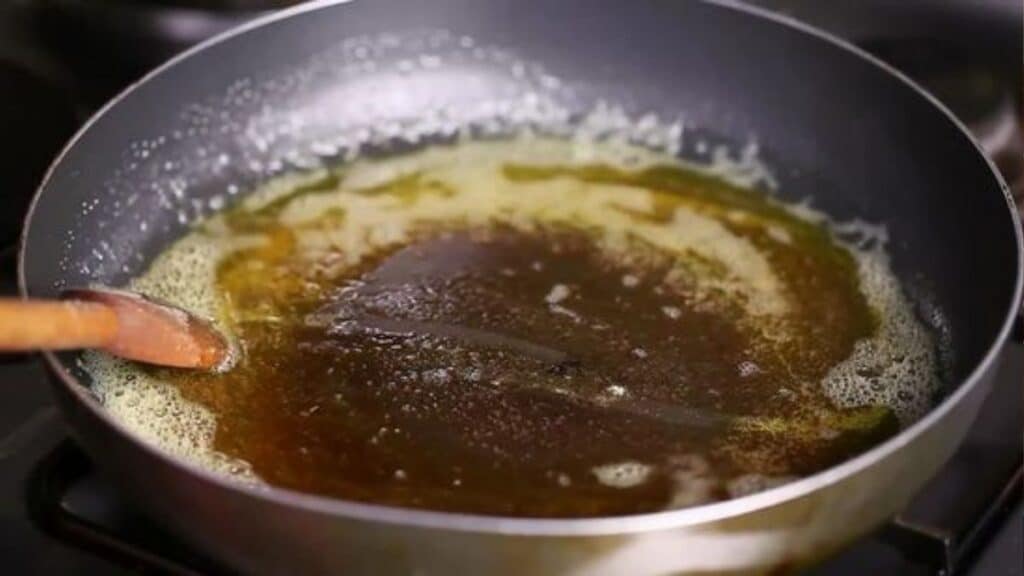
Continue cooking on low heat, stirring occasionally. You’ll know the halwa is ready when it starts to pull away from the sides of the pan and you see a thin layer of ghee separating at the edges. The texture should be soft, glossy, and smooth—not too thick, not too runny.
Time: 3-4 minutes
Step 6: Garnish and Serve
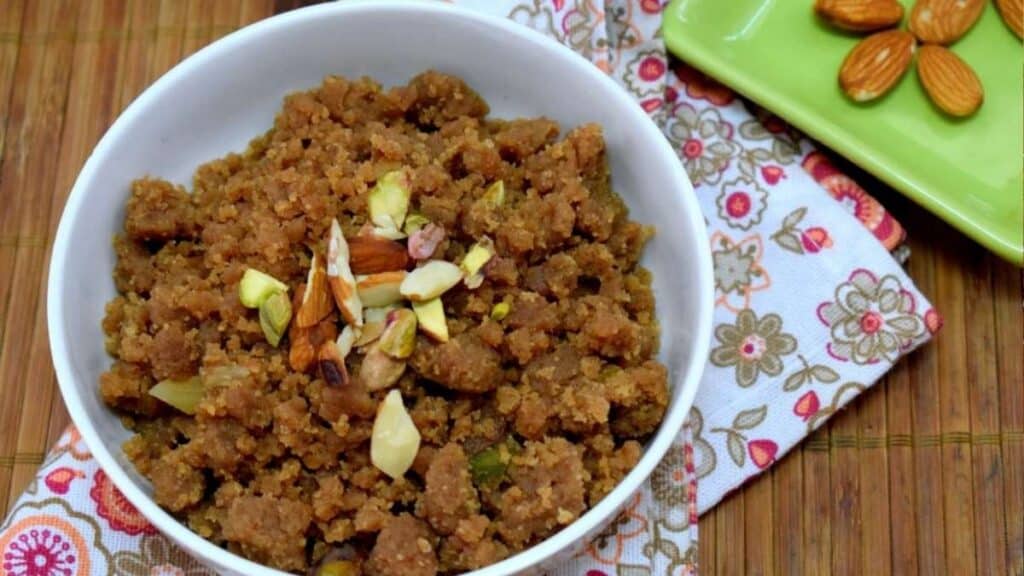
Turn off the heat. Transfer the halwa to a serving bowl and garnish with chopped nuts—cashews, almonds, or whatever you have on hand. You can lightly roast the nuts in a bit of ghee first if you want extra crunch and flavor.
Serve warm. Singhare ka halwa tastes best when it’s fresh and still slightly hot, with the ghee glistening on top and the cardamom fragrance filling the room.
Time: 1 minute
Equipment Needed
| Equipment | Purpose |
| Heavy-bottomed pan or kadhai | Even heat distribution prevents burning |
| Wooden spoon or spatula | For continuous stirring |
| Separate pot or kettle | To boil water |
| Measuring cups | For accurate proportions |
| Serving bowl | For presentation |
The Importance of Continuous Stirring
Let’s talk about stirring for a second, because it matters more than you might think. When you’re roasting the flour in ghee, stirring prevents it from sticking to the bottom of the pan and burning. When you’re adding the boiling water, stirring ensures the liquid gets evenly distributed and the halwa stays smooth.
If you stop stirring, even for a minute, you’ll get lumps. Or worse, the bottom will scorch while the top stays raw. So keep that spoon moving. It doesn’t have to be frantic, just steady and consistent. Put on some music, take a breath, and let the rhythm of it calm you down. It’s actually kind of meditative once you get into it.
CHECK MORE ON:Chocolate Covered Strawberries: 3 Ingredients, 30 Minutes, Pure Love
Serving Suggestions
| Serve With | Why It Works |
| Kuttu ki puri | Classic vrat thali pairing |
| Sabudana khichdi | Completes a balanced fasting meal |
| Fresh fruit | Light, refreshing contrast |
| Plain milk | Traditional breakfast combo |
| After evening aarti | As prasad for family and guests |
Singhare ka halwa shows up in different contexts throughout Navratri. You’ll see it on Day 1 after Ghatasthapana, served warm as the first meal of the fasting period. It’s common on Ashtami morning, plated alongside kuttu puri and vrat aloo. And it’s almost always part of the evening prasad after aarti, offered first to the goddess and then shared among family and friends.
It’s one of those foods that moves seamlessly between the sacred and the everyday, equally at home on a puja thali or a breakfast table.
Common Occasions for Singhare Ka Halwa
| Occasion | When | How It’s Served |
|---|---|---|
| Day 1 of Navratri (Ghatasthapana) | Morning after puja | First meal of the fasting period |
| Ashtami | Morning or afternoon | Alongside kuttu puri and vrat aloo |
| Evening aarti | After evening prayers | As prasad for family and guests |
| Ekadashi | Throughout the day | As a simple, quick fasting dessert |
| Any fasting day | Breakfast or post-puja | Warm, comforting start to the day |
Why This Recipe Still Matters
In a world where fasting food increasingly comes pre-packaged or feels like an afterthought, singhare ka halwa is a small act of intention. It’s quick, yes, but it’s not rushed. It’s simple, but not careless. And it’s sweet without being cloying—just enough to satisfy without overwhelming.
When you make this halwa, you’re doing something your grandmother probably did, and her grandmother before that. You’re working with the same flour, the same basic technique, the same understanding that fasting food doesn’t have to feel like deprivation. It can be nourishing. It can be comforting. It can even be a little indulgent.
So this Navratri, whether you’re fasting all nine days or just a few, whether you’re cooking for a crowd or just yourself, give singhare ka halwa a try. Roast the flour slowly. Use boiling water. Stir with intention. And when that first spoonful hits your tongue—soft, fragrant, just sweet enough—take a moment to appreciate it.
Why is my singhare ka halwa lumpy?
The most common reason is adding cold or lukewarm water instead of boiling water. When water isn’t hot enough, the flour clumps up instead of dissolving smoothly. Always make sure your water is at a full, rolling boil before adding it to the roasted flour.
Can I use less ghee?
You can reduce the ghee slightly, but don’t go too low. Ghee is what gives singhare ka halwa its rich flavor and smooth texture
How do I know when the flour is roasted enough?
Your nose will tell you. When singhara atta is properly roasted, it smells nutty and aromatic—almost like toasted rice or popcorn.
