


There’s something quietly magical about the smell of kuttu ki puri frying in hot oil on a Navratri morning. The kitchen fills with that earthy, nutty aroma, and you know—without even looking at the calendar—that it’s time. Time to pull out the rock salt, dust off the special fasting thali, and remember why our grandmothers insisted on boiling potatoes the night before.
If you’ve ever felt a little lost during fasting days, wondering how on earth you’re supposed to stay energized without your usual roti or rice, kuttu ki puri is your answer. It’s not just a recipe. It’s a tradition that’s kept millions of us going through long puja days, garba nights, and those in-between hours when hunger sneaks up but dinner is still far away.
Table of Contents
What Exactly Is Kuttu Ki Puri?
Let’s start with the basics. Kuttu ki puri is a deep-fried flatbread made from buckwheat flour—or as we call it, kuttu ka atta. Despite the name, buckwheat isn’t actually wheat at all. Scientifically known as Fagopyrum esculentum, it’s what they call a pseudo-cereal, which is a fancy way of saying it looks and acts like a grain but technically isn’t one. And that’s precisely why it’s allowed during Navratri fasting, when wheat and rice are off the table.
This puri is naturally gluten-free, which makes it a blessing for anyone with dietary restrictions. But more than that, it’s sattvic—pure, simple food prepared without onion or garlic, meant to keep your mind calm and your spirit light during these nine sacred days.
When you bite into a well-made kuttu ki puri, it should puff up beautifully and shatter just a little under your teeth. Crispy on the outside, soft enough on the inside. That’s the goal. And getting there? Well, that takes a bit of know-how.
Recipe Overview
| Detail | Information |
|---|---|
| Prep Time | 15 minutes |
| Cook Time | 15 minutes |
| Total Time | 30 minutes |
| Servings | 4 people (10-12 puris) |
| Cuisine | Indian (Vrat/Fasting) |
| Course | Main Course/Breakfast |
| Diet | Vegetarian, Gluten-Free, Vrat-Friendly |
| Difficulty Level | Medium |
| Calories per Serving | 150-200 kcal (2 small puris) |
Ingredients List
| Ingredient | Quantity | Notes |
|---|---|---|
| Kuttu ka atta (Buckwheat flour) | 1 cup | Must be fresh for best results |
| Boiled potatoes | 1-2 medium | Binding agent; mash while warm |
| Sendha namak (Rock salt) | 1 teaspoon | Regular salt not allowed during fasting |
| Black pepper powder | ½ teaspoon | Optional; adds warmth |
| Water | 2-3 tablespoons | Use very sparingly |
| Oil or ghee | For deep frying | About 2-3 cups for proper depth |
Nutritional Information
Per 100g Buckwheat Flour (Approximate)
| Nutrient | Amount |
|---|---|
| Calories | 343 kcal |
| Protein | 13 g |
| Carbohydrates | 71 g |
| Dietary Fiber | 10 g |
| Fat | 3 g |
| Magnesium | High |
| Manganese | High |
| Potassium | 400-460 mg |
| Antioxidants | Rutin and other compounds |
Why Kuttu Ki Puri Is Perfect for Fasting
Chaitra Navratri 2026 is expected to fall around March 19 to 27, though the exact dates depend on the lunar calendar and vary slightly by region. Either way, when those nine days arrive, most of us are looking at a very specific list of ingredients we’re allowed to use: kuttu, singhara (water chestnut flour), sabudana (tapioca pearls), sama rice, potatoes, and sendha namak (rock salt).
No regular wheat. No everyday rice. No table salt.
So why does kuttu work so well? Because it doesn’t just comply with fasting rules—it actually nourishes you. Buckwheat is packed with complex carbohydrates, which means it releases energy slowly and keeps you full longer. With around 13 grams of protein per 100 grams, it’s far more substantial than many refined flours. It has a low to moderate glycemic impact, so you’re not dealing with sugar spikes and crashes. And when you’re fasting for hours, standing in line for darshan, or dancing through garba, that steady energy matters.
It’s the kind of food that doesn’t just fill your stomach—it holds you.
The Secret to Getting It Right: Ingredients and Technique
Here’s where things get real. Kuttu ka atta is tricky. It has no gluten, which means it doesn’t hold together the way regular wheat flour does. If you’ve ever tried to roll out kuttu dough and had it crack and crumble under your rolling pin, you know the frustration.
That’s where the potato comes in.
The boiled potato isn’t just a filler. It’s a binding agent. The natural starch in the potato holds the dough together, giving it just enough elasticity to roll out without falling apart. Without it, your puris will crack, break, and frustrate you to no end. So don’t skip the potato. Mash it well, mix it in while it’s still warm, and let it do its job.
Step-by-Step Instructions: Making Perfect Kuttu Ki Puri
Step 1: Prepare the Potatoes
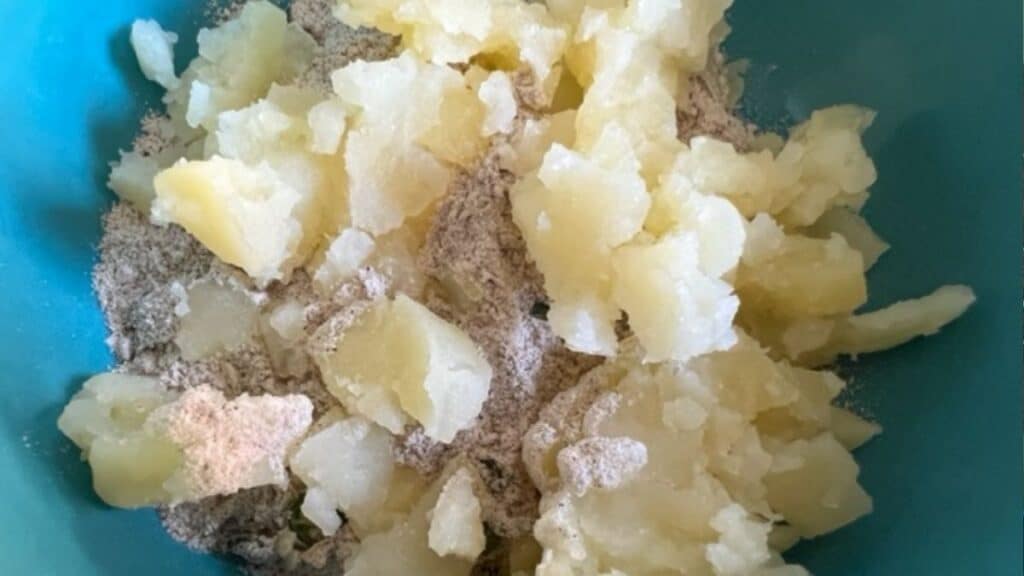
Boil 1–2 medium potatoes until they’re completely soft. You should be able to pierce them easily with a fork. Peel them while they’re still warm and mash them thoroughly. No lumps—this is important because any chunks will make rolling the dough difficult.
Time: 10 minutes
Step 2: Make the Dough
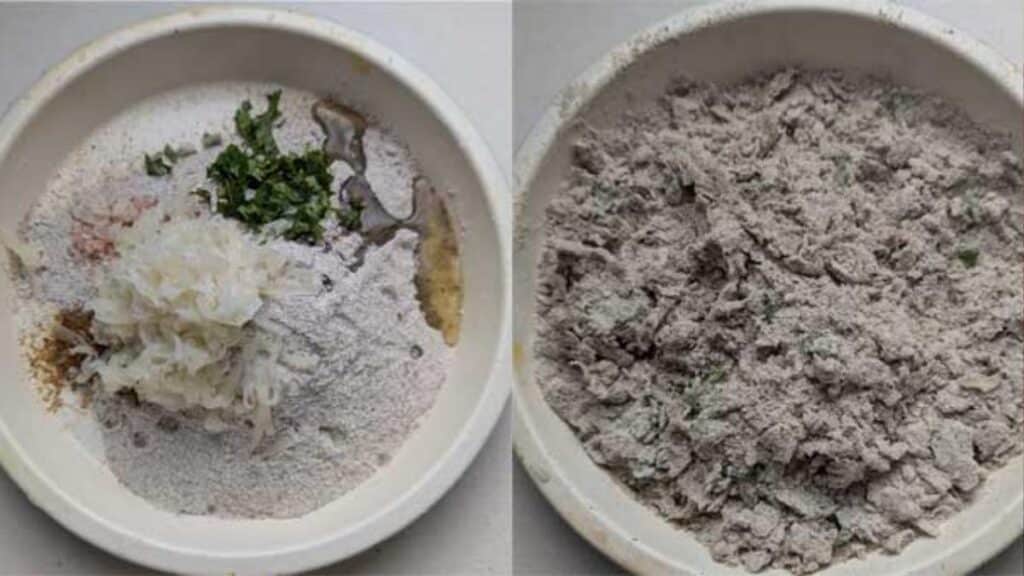
In a large mixing bowl, add 1 cup of kuttu ka atta. Add the mashed potatoes while they’re still slightly warm. The warmth helps the flour absorb moisture better. Sprinkle in 1 teaspoon of sendha namak and ½ teaspoon of black pepper if you’re using it.
Time: 5 minutes
Step 3: Rest the Dough
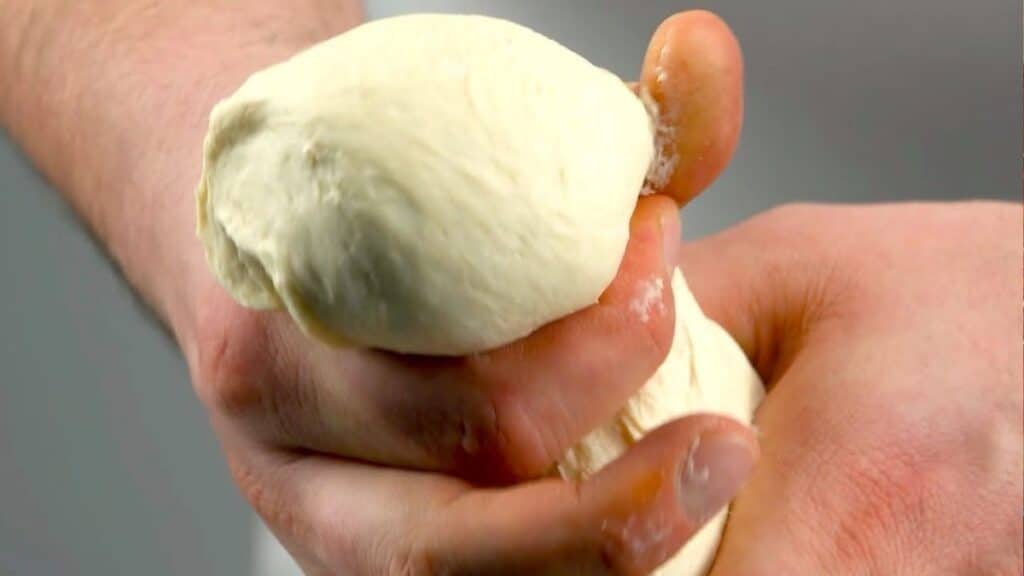
Cover the dough with a damp cloth and let it rest for 10–15 minutes. This resting period allows the flour to hydrate properly and makes rolling easier.
Time: 10-15 minutes
Step 4: Divide and Shape
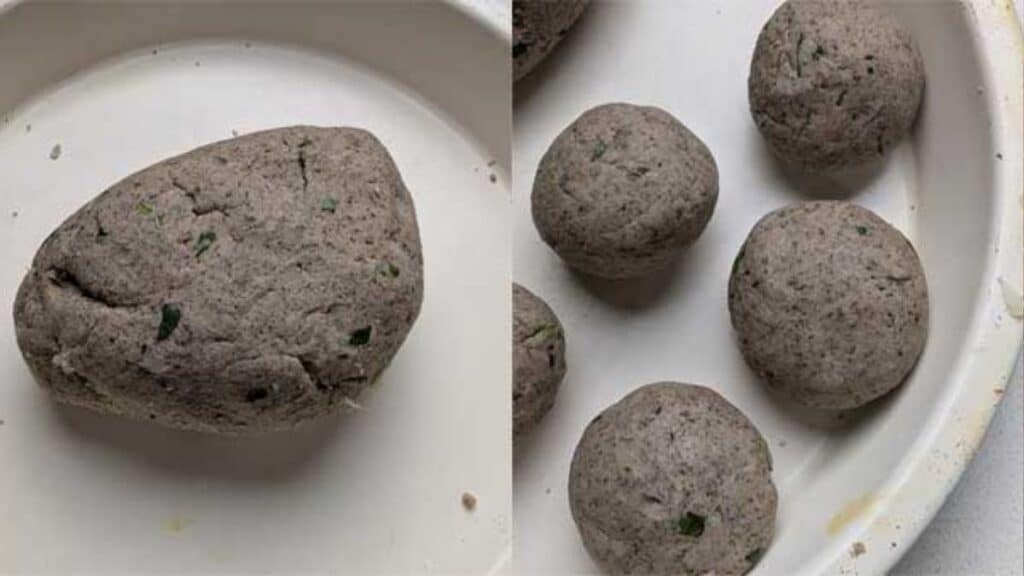
Divide the dough into 10–12 equal portions, roughly the size of a lemon. Roll each portion into a smooth ball between your palms. Keep them covered so they don’t dry out.
Time: 2 minutes
Step 5: Roll Out the Puris
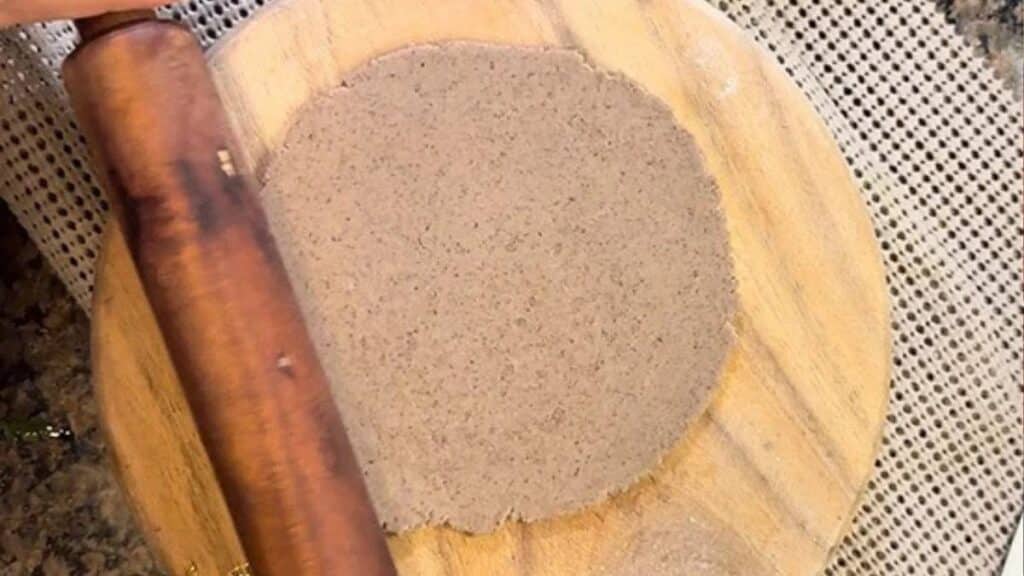
Dust your work surface lightly with dry kuttu flour. Take one dough ball and flatten it gently with your palm. Using a rolling pin, roll it out into a circle about 3–4 inches in diameter. Don’t roll it too thin—about the thickness of a regular puri works best. Kuttu dough is delicate, so work gently. If the edges crack a little, that’s okay. Just press them back together with your fingers.
Time: 5 minutes for all puris
Step 6: Heat the Oil
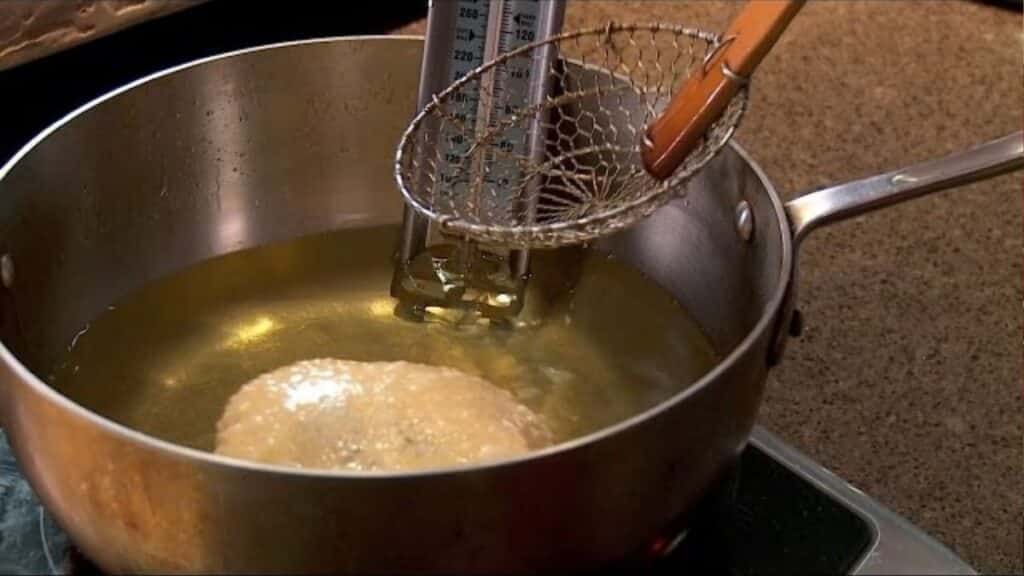
Pour oil into a deep kadhai or frying pan, enough to submerge the puris—about 2–3 inches deep. Heat it over medium flame. To test if it’s ready, drop a tiny piece of dough into the oil. If it rises to the surface within a few seconds and sizzles gently, your oil is at the right temperature (170–180°C).
Time: 3-4 minutes
Step 7: Fry the Puris
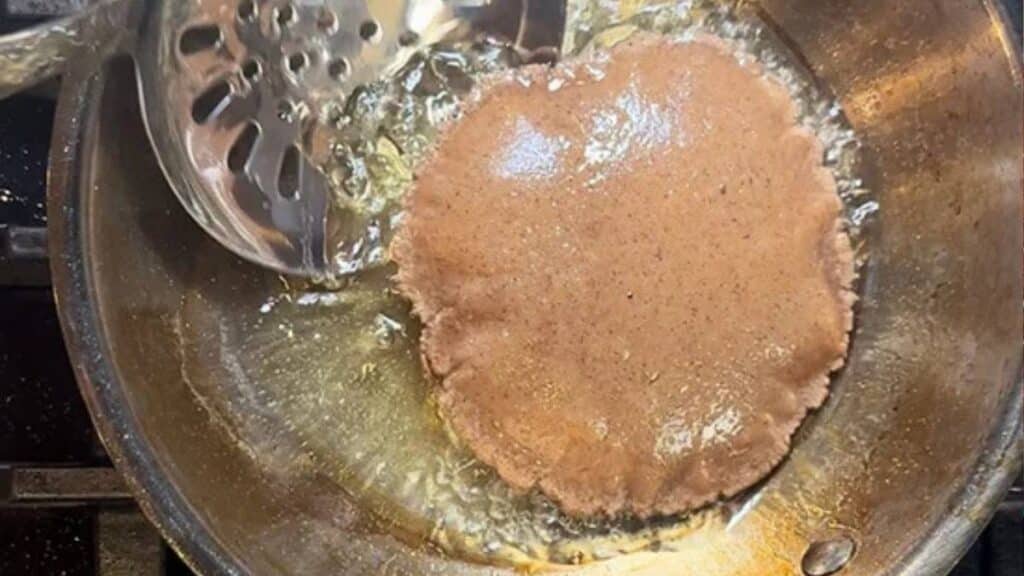
Carefully slide one rolled puri into the hot oil. It should sink for a moment, then float up. Using a slotted spoon, gently press down on the puri in a circular motion. This helps it puff up. Once it puffs, flip it over and fry the other side until both sides turn golden brown. This takes about 30–40 seconds per side.
Remove the puri with a slotted spoon and drain excess oil by placing it on a paper towel or a wire rack.
Time: 30-40 seconds per puri (about 10-12 minutes total)
Step 8: Repeat and Serve
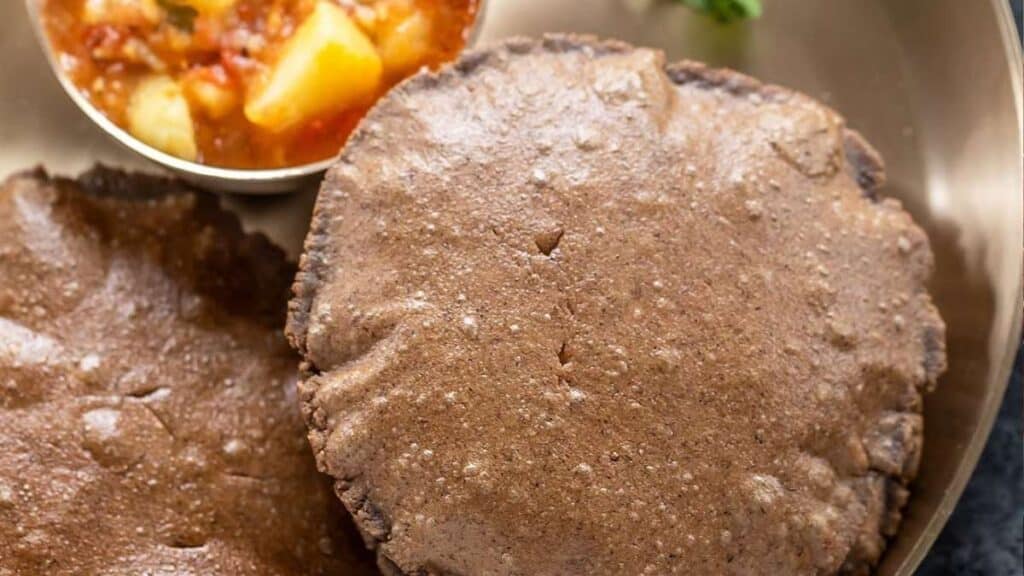
Repeat with the remaining dough balls. Keep the fried puris in a covered container lined with tissue paper to keep them warm and crisp. Serve immediately with vrat aloo sabzi, curd, or your favorite fasting accompaniment.
The Temperature Sweet Spot
Let’s talk oil temperature one more time, because it’s truly the make-or-break detail. The ideal frying range is between 170–180°C. Medium heat. Not too hot, not too low.
If the oil is too cool, the puri will soak up oil like a sponge and turn out greasy and heavy. If it’s too hot, the outside will brown too quickly while the inside stays undercooked. You want that gentle sizzle, the kind that makes the puri puff up slowly and evenly, turning golden and crisp without burning.
The whole process, from start to finish, takes about 30 minutes. Not too long. Just enough time to lose yourself in the rhythm of rolling, frying, and flipping.
CHECK MORE ON:Chocolate Covered Strawberries: 3 Ingredients, 30 Minutes, Pure Love
Equipment Needed
| Equipment | Purpose |
|---|---|
| Large mixing bowl | For making dough |
| Rolling pin (belan) | For rolling puris |
| Rolling board (chakla) | Work surface |
| Deep kadhai or wok | For deep frying |
| Slotted spoon (jhara) | For frying and removing puris |
| Paper towels or wire rack | For draining excess oil |
| Kitchen thermometer (optional) | To check oil temperature |
Serving Suggestions
| Accompaniment | Why It Works |
|---|---|
| Vrat wale aloo (fasting potatoes) | Classic pairing; the spiced potatoes complement the mild puri |
| Fresh curd or raita | Cooling contrast to the fried puri |
| Makhana kheer | Sweet balance for a complete meal |
| Peanut chutney | Adds protein and tangy flavor |
| Sliced cucumber with lemon | Light, refreshing side |
| Sabudana khichdi | For a more filling meal |
Why This Recipe Still Matters
In a world where fasting food is increasingly packaged, pre-made, and stripped of context, kuttu ki puri is a quiet act of preservation. It’s gluten-free not because of a trend, but because buckwheat just is. It’s protein-rich not because someone engineered it that way, but because nature did. And it’s tied to Navratri not because of marketing, but because generations of people found something reliable, nourishing, and sacred in it.
When you make kuttu ki puri, you’re not just following a recipe. You’re participating in something larger—something that connects you to kitchens across India, to the smell of frying oil on festival mornings, to the quiet satisfaction of feeding yourself and your family well, even on the days when the usual rules don’t apply.
So this Navratri, whether you’re fasting for all nine days or just a few, give kuttu ki puri a try. Get the oil to the right temperature. Don’t skip the potato. Roll the dough gently. And when that first puri puffs up in the pan, golden and perfect, take a moment to appreciate it.
Because some traditions—especially the ones that taste this good—are worth keeping.
