


The plastic problem in our homes isn’t abstract anymore. It’s in the toothbrush you used this morning, the cutting board from last night’s dinner prep, and even, according to recent studies, in our bloodstream. For Indian families—especially those navigating North American consumer culture—the question isn’t whether to reduce plastic, but what actually works as a replacement that doesn’t feel like a compromise.
Bamboo has emerged as more than just a trendy alternative. It’s a material that performs better, costs less over time, and doesn’t leave a chemical trail in your home or the environment.
Quick Answer:
Bamboo products surpass plastic alternatives because they’re rapidly renewable (growing up to 3 feet daily), completely biodegradable (decomposing in weeks versus centuries), naturally antimicrobial, and free from harmful chemicals like BPA. Unlike plastic, bamboo absorbs 35% more CO₂ than trees, requires no pesticides, and offers superior strength without environmental damage. In 2025, bamboo innovations include molecular bioplastics that match petroleum plastic strength while decomposing in soil within 50 days—making the switch both practical and planet-positive.
Why Bamboo Outperforms Plastic: The Science
The Growth Advantage
Bamboo isn’t just fast-growing—it’s spectacularly fast. Some species shoot up three feet in a single day, reaching full maturity in 3-5 years. Compare that to hardwood trees that take decades, or petroleum extraction that depletes finite resources. Once harvested, bamboo regenerates from its existing root system without replanting, pesticides, or intensive irrigation. It’s essentially a self-renewing resource that asks very little from the earth.
For context, producing plastic requires extracting and refining fossil fuels—a carbon-intensive process from start to finish. Bamboo, meanwhile, functions as a carbon sink, absorbing up to 35% more CO₂ than equivalent stands of trees and releasing significantly more oxygen. It’s not just carbon-neutral; it’s carbon-negative.
The Decomposition Reality
Here’s where the difference becomes visceral. That plastic spatula you tossed five years ago? It’ll outlive you, your children, and potentially your great-grandchildren—persisting for 400-500 years and breaking down into microplastics that infiltrate soil, water, and eventually, human bodies. Scientists have found microplastics in human blood, organs, and across the global food chain.
Bamboo products decompose naturally within months to a few years, returning nutrients to soil without residue. As of late 2025, researchers have even developed molecular bioplastics from bamboo that match the strength of petroleum plastics but decompose in soil within 50 days. That’s the kind of innovation that changes the calculation entirely.
Health: What You’re Not Bringing Into Your Home
Indian households have always been particular about what touches food and skin—it’s why traditional cooking involved specific woods, metals, and materials chosen for their properties. Bamboo aligns with that wisdom.
Conventional plastics often contain BPA, phthalates, and PVC—known endocrine disruptors that leach into food and liquids, especially when heated. You’ve probably seen “BPA-free” labels, but many plastic alternatives simply swap in different chemicals with similar concerns. Bamboo eliminates the question entirely: it’s naturally free from synthetic toxins.
Beyond that, bamboo contains “Bamboo Kun,” a natural bio-agent that makes the material inherently antimicrobial and resistant to bacteria, pests, and fungi. That’s why bamboo cutting boards, toothbrushes, and hairbrushes aren’t just aesthetic choices—they’re functionally more hygienic. Think about it: your toothbrush sits in a damp bathroom environment. A plastic brush becomes a bacterial playground. A bamboo brush naturally resists that buildup.
Strength and Durability: “Green Steel”
There’s a misconception that sustainable means fragile. Bamboo actually has a higher tensile strength than mild steel, earning it the nickname “green steel.” It’s stronger than many types of concrete and wood, less porous than traditional timber, and more heat-resistant than most plastics.
That means your bamboo paddle hairbrush won’t crack after a few months of use. Your bamboo cleaning brush won’t warp under hot water. The bamboo exfoliating foot tool you use during your Sunday self-care routine will last through years of pedicures without falling apart.
Bamboo’s durability translates to fewer replacements, which means you’re spending less money over time while generating less waste.
The Aesthetic and Economic Case
Let’s be honest: bamboo products are beautiful. They bring warmth to bathrooms and kitchens in a way that plastic simply doesn’t. There’s something grounding about natural grain patterns and smooth, organic textures—especially in homes where we’re constantly surrounded by screens and synthetic surfaces.
For families building homes with intention, bamboo offers that rare combination of form and function. It looks elegant, performs reliably, and tells a story about the choices you’re making. Plus, choosing bamboo supports sustainable businesses and artisan communities, many of whom are developing innovative products that honor traditional craftsmanship while meeting modern needs.
Making the Switch: Where to Start
You don’t need to overhaul your entire household overnight. Start with high-impact, frequently used items:
Personal care: Switch to a bamboo hairbrush that’s gentler on hair and scalp. Try a bamboo exfoliating cleanser for skincare routines that feel more natural and less chemical-laden.
Home care: Replace plastic scrub brushes with bamboo cleaning brushes that handle tough kitchen messes without scratching surfaces or harboring bacteria.
Self-care tools: Add a bamboo foot pedicure tool to your wellness routine—it’s durable enough for regular use and naturally resistant to the damp bathroom environment.
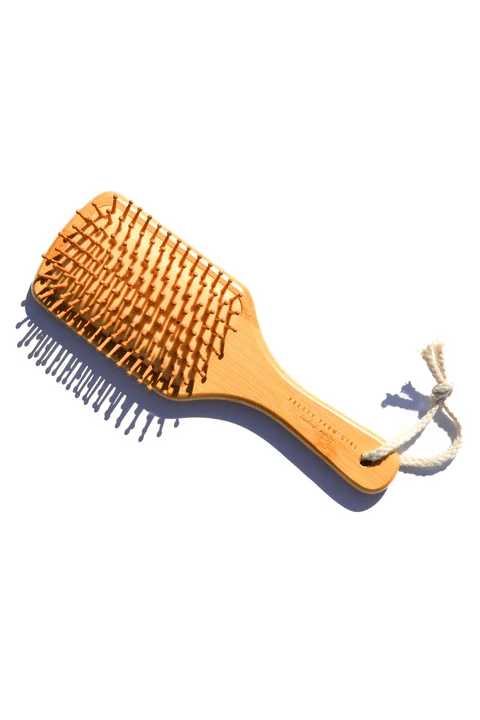
Bamboo Paddle Hair Brush
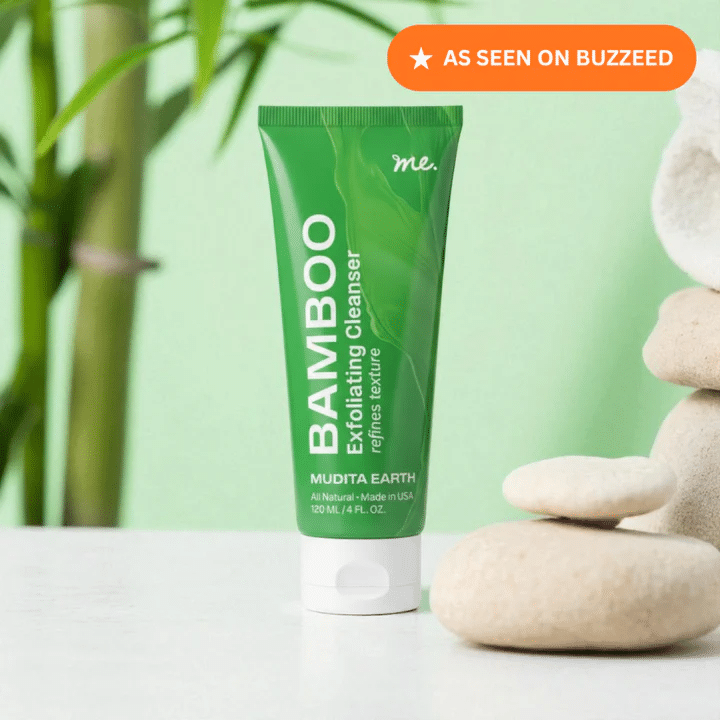
Bamboo Microdermabrasion Exfoliating Cleanser
Bamboo Brush

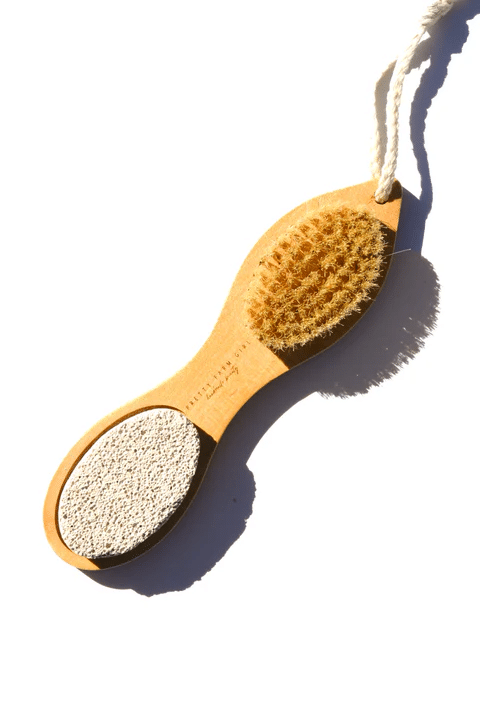
Bamboo Exfoliating Foot Pedicure Tool
At shop.indian.community, you’ll find bamboo essentials designed for Indian households navigating this transition—products that work with your routines, not against them.
Comparison at a Glance: Bamboo vs. Plastic
| Feature | Bamboo | Plastic |
|---|---|---|
| Origin | Renewable, fast-growing grass | Non-renewable fossil fuels |
| Decomposition | Weeks to a few years | Hundreds of years |
| Health Risks | Naturally non-toxic | BPA, Phthalates, Microplastics |
| Carbon Impact | Carbon-negative (absorbs CO₂) | Carbon-intensive production |
| Strength | High tensile strength (“green steel”) | Varies; often less durable |
| Antimicrobial | Naturally resistant (Bamboo Kun) | Requires chemical additives |
| Farming Needs | Minimal water, no pesticides | Petroleum extraction, intensive processing |
The Bigger Picture
Switching to bamboo isn’t about perfection or performative sustainability. It’s about making decisions that align with how you actually want to live—with less waste, fewer chemicals, and more connection to materials that have integrity.
Plastic promised convenience, and it delivered. But the cost—environmental, health-related, economic—has become impossible to ignore. Bamboo offers something different: convenience and responsibility, performance and conscience. It’s a material that works with natural systems rather than against them, that strengthens rather than depletes, that returns to earth rather than poisoning it.
For Indian families who’ve always valued resourcefulness and long-term thinking, bamboo isn’t radical—it’s intuitive. It’s choosing tools and products that will serve your household well today and won’t burden the world your children inherit tomorrow.
The products we bring into our homes shape more than our daily routines—they reflect the kind of future we’re building, one small choice at a time. Browse our collection of bamboo essentials at shop.indian.community, where every product is chosen for durability, safety, and the quiet dignity of living in harmony with what sustains us.
