


In this Happy Patel: Khatarnak Jasoos movie review, we explore a film that arrives like a comedic hand grenade in Bollywood’s increasingly safe landscape. When was the last time you witnessed a Hindi comedy that genuinely didn’t care about playing it safe? Happy Patel doesn’t just entertain; it bulldozes through conventional comedy boundaries with the kind of fearless irreverence that Aamir Khan Productions attempted with Delhi Belly back in 2011.
Co-directors Vir Das and Kavi Shastri announce their arrival with audacious confidence, crafting a comedy that’s equal parts British humor, American absurdity, and Mumbai street smart chaos. This is Vir Das’s most unconventional role yet, supported by Mona Singh’s powerhouse performance that alone justifies the ticket price. With Imran Khan making a surprise appearance that energizes the entire film and a comedic approach that recalls everything from Johnny English to Austin Powers with desi tadka, Happy Patel is the cinematic equivalent of that friend who tells the most inappropriate jokes at dinner and somehow makes everyone laugh anyway.
Quick Takeaway:
Happy Patel: Khatarnak Jasoos is a technically competent, boundary-pushing comedy that succeeds brilliantly when it commits to its absurdist vision. Though the hit-to-miss ratio for jokes occasionally tests patience, the film’s sheer audacity, Mona Singh’s career-best comedic performance, and genuinely hilarious peak moments make it essential viewing for anyone craving original, experimental Hindi comedy.
Language: Hindi
Age Rating: A (Adults Only)
Genre: Spy Comedy, Dark Humor, Adult Entertainment
Directors: Vir Das & Kavi Shastri
The Plot – Espionage Meets Linguistic Chaos
At its heart, Happy Patel is a spy mission story—but calling it just that would be like calling the Taj Mahal “some building.” The film’s genius lies in its unapologetic embrace of linguistic confusion as comedic weapon. Happy Patel (Vir Das), a clumsy British agent who discovers his Indian heritage moments before deployment, must rescue a high-profile scientist from Goa’s notorious crime boss known as Mama (Mona Singh).
The narrative kicks off with a murder in Panjim, Goa, establishing the dangerous world Happy is entering. But what makes this special is the journey—Happy’s British accent turning innocent Hindi phrases into embarrassing double entendres creates a domino effect of chaos. “Ghar ka chhat” becomes something entirely different, “paas” transforms into comedy gold, and suddenly simple conversation becomes a minefield of misunderstanding.

The beauty of this approach is how it liberates the storytelling. When your protagonist literally cannot communicate properly, every interaction becomes potential comedy. The script by Vir Das and Amogh Ranadive uses this linguistic disconnect as springboard for increasingly absurd situations, building from awkward conversations to full-scale pandemonium.
As Happy befriends local guide Geet (Sharib Hashmi), falls for dancer Rupa (Mithila Palkar), and stumbles through his mission with more enthusiasm than competence, the film celebrates the beauty of controlled chaos. This isn’t a spy who saves the day through skill—this is someone who succeeds despite spectacular incompetence, and that’s infinitely more entertaining.
Performances – Mona Singh Steals Every Scene
Vir Das: Embracing the Chaos
This Happy Patel movie review must acknowledge Vir Das’s fearless commitment to the weirdest role of his career. Transforming from stand-up comedy to sustained film acting is never easy, yet Das throws himself into Happy Patel’s bumbling persona with admirable dedication. His zombie-like bewilderment as cultural and linguistic confusion piles up creates a character who’s simultaneously clueless and strangely endearing.
Watch him navigate increasingly absurd situations with the seriousness of someone who genuinely believes he’s competent. It’s physical comedy meets verbal gymnastics, and while the transition from stage to screen shows occasional seams, Das’s commitment never wavers. This is an actor willing to look ridiculous in service of the laugh, and that bravery pays dividends.
Mona Singh: The Undisputed MVP
Here’s the truth this review must emphasize: Mona Singh is the saving grace and shining star of Happy Patel. Her portrayal of crime czarina Mama delivers expressions and screen presence so captivating that she elevates every single scene she inhabits. Singh doesn’t just chew scenery—she devours it whole and asks for seconds, creating a character both menacing and inexplicably hilarious.
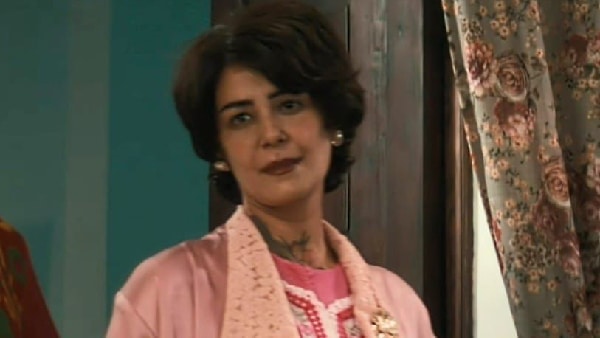
The way she balances genuine threat with comedic timing is masterful. Mama isn’t a parody of a crime boss; she’s a fully realized character who happens to exist in an absurdist universe. Singh’s facial expressions alone could carry entire sequences, her demeanor a riot of controlled madness that provides the film’s most memorable moments. This is career-defining comedic work that proves her versatility as a performer.
Check Out: Mona Singh’s Bold Avatar in ‘Happy Patel Khatarnak Jasoos’ Breaks the Internet
Sharib Hashmi: The Reliable Anchor
Every wild comedy needs grounding, and Sharib Hashmi provides exactly that. His natural charm and impeccable timing as Geet make him a consistent delight throughout. Hashmi delivers hard-hitting punchlines with the casualness of someone who doesn’t know they’re funny, which somehow makes them funnier.
His chemistry with Das creates genuine comedic rapport, and his presence reminds viewers that beneath all the absurdity are actual human connections worth caring about. Hashmi proves once again why he’s one of Hindi cinema’s most underrated supporting actors.
Mithila Palkar: Beauty and Warmth
Mithila Palkar looks absolutely stunning as dancer Rupa, and the cinematography, lighting, and costumes deserve credit for showcasing her natural beauty so effectively. But beyond the visual appeal, Palkar brings warmth and grounded sweetness that provides necessary relief from the relentless comedic assault.
Her chemistry with Das works because she plays the romance completely straight, creating contrast that enhances the comedy. In a film where almost everything is heightened, Palkar’s naturalistic approach becomes the emotional anchor.
Special Appearances That Matter
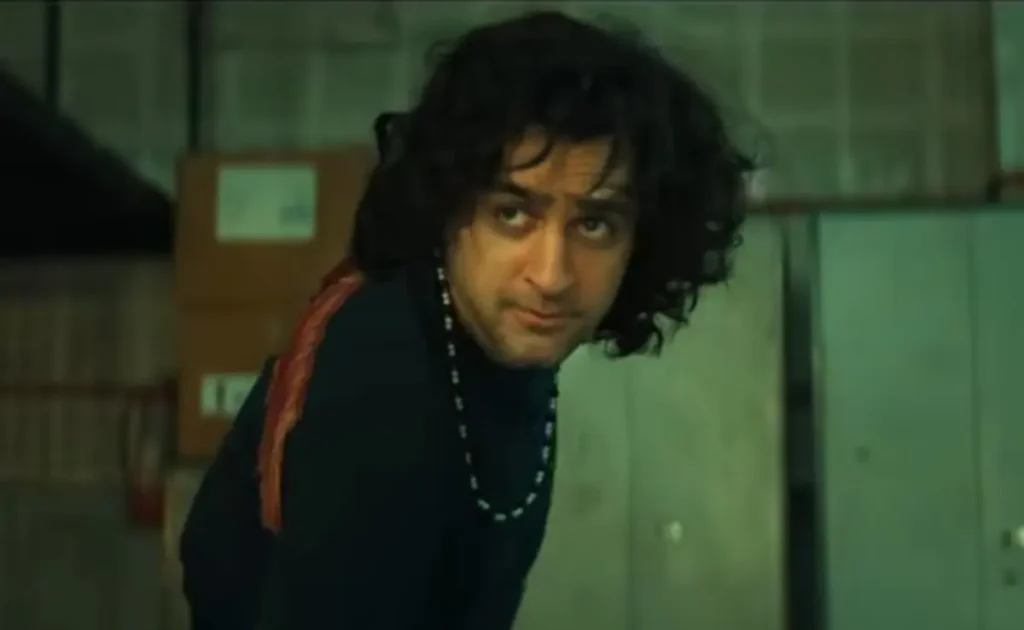
Imran Khan makes a “rocking special appearance” that genuinely lifts the film’s energy at a crucial moment. For fans who’ve missed him on screen, this cameo offers both surprise and satisfaction, proving he still has that effortless charm that made him a star.
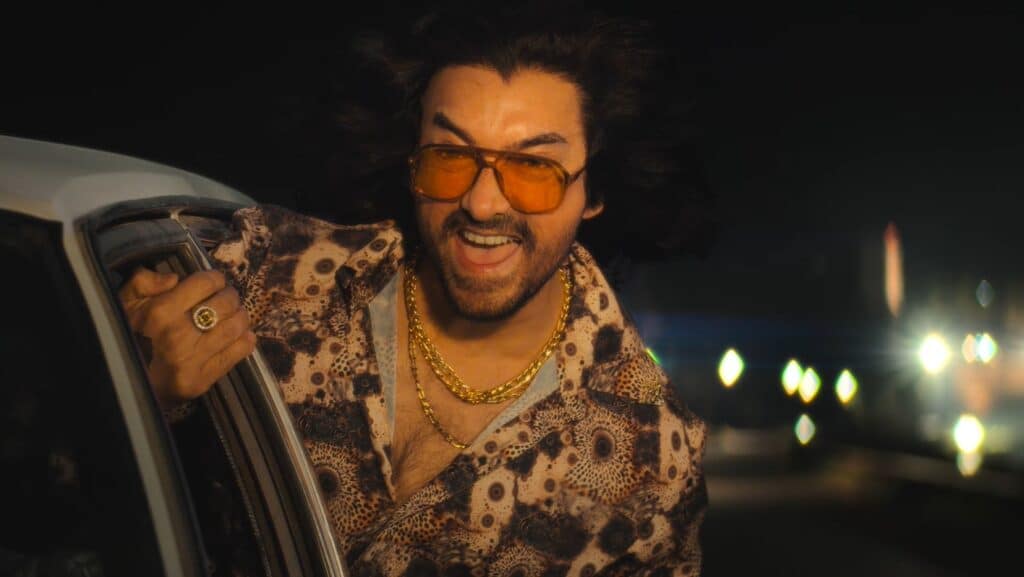
Aamir Khan’s early cameo as Jimmy sets the plot in motion competently, though the appearance feels somewhat understated given his producer role. Still, his presence adds legitimacy to the project’s experimental ambitions.
The supporting cast—including Shrushti Tawade as Roxy and the three female police inspectors conversing in Marathi—add flavor and texture, creating a lived-in world that enhances the central chaos.
Direction & Technical Excellence
Visionary Direction by Vir Das & Kavi Shastri
Co-directors Vir Das and Kavi Shastri demonstrate remarkable ambition in their attempt to create a British-style black comedy with Indian sensibilities. Their fearless approach prioritizes originality over convention, boundary-pushing over safety, and the results—while uneven—are never boring.
The directors understand something crucial: when you’re making absurdist comedy, commitment is everything. They never hedge their bets or apologize for the film’s excesses. Instead, they lean into the chaos, trusting that audiences craving something different will appreciate the audacity. That trust mostly pays off.
Their use of meta-humor, particularly references to Vineeth Sreenivasan’s real persona and Delhi Belly’s legacy, shows awareness of both comedy history and their place within it. The occasional loss of narrative grip is forgivable when the alternative is boring competence.
Cinematography: Artistic Choices Amid Chaos
The visual approach features several genuinely artistic shots that elevate production value beyond typical comedy standards. The lighting choices particularly shine in showcasing Mithila Palkar, creating visually striking romantic moments. Goa’s locations are utilized effectively, providing colorful backdrops for the madness.
Yes, some scenes suffer from darkness that affects visibility, but the overall visual grammar maintains professional standards. The cinematography serves the comedy without overwhelming it—exactly what the material needs.
Check Out: Happy Patel Khatarnak Jasoos Trailer: Vir Das-Imran Khan Spy Comedy Sets January 2026 Release
Music & Sound: Aggressive Energy
While the musical elements may not create standalone hits, they serve a crucial functional purpose: maintaining viewer energy through the runtime. The background score knows when to amplify comedy and when to step back, and the aggressive soundscape prevents any danger of drowsiness.
The foot-tapping rap number, though underutilized, adds contemporary flavor. The overall sonic approach matches the film’s chaotic energy perfectly.
Editing: Momentum Maintained
The editing proves to be a significant technical strength, ensuring the 119-minute runtime avoids prolonged dull moments. Strategic cutting maintains forward momentum even when individual jokes misfire, preventing the film from becoming exhausting. This is sharp work that salvages scenes and enhances successful ones.
Writing – Bold Choices and Linguistic Fireworks
The screenplay by Vir Das and Amogh Ranadive attempts something genuinely ambitious: blending British sensibilities, American-style absurdity, and Mumbai street humor into one coherent (or deliberately incoherent) comedic vision. This cross-cultural approach yields wildly varying results, but the peaks justify the valleys.
The dialogue strategy—inserting potential humor into nearly every line—creates an exhausting but admirable commitment to comedy. The linguistic confusion generates wordplay opportunities that range from brilliantly clever to painfully forced, but the willingness to keep swinging for comedy fences shows admirable dedication.
Beyond the jokes lies legitimate social commentary. The film’s condemnation of skin-color shaming and critique of India’s fairness cream obsession adds unexpected depth. These themes could feel preachy in wrong hands, but the screenwriters integrate them organically into the chaos.
The screenplay’s structural looseness—embracing sketch comedy energy over traditional narrative arc—is both weakness and strength. For viewers seeking conventional storytelling, this will frustrate. For those craving experimental comedy, it liberates.
Cultural Context – Comedy That Takes Risks
This Happy Patel movie review must acknowledge the film’s place in contemporary Hindi cinema. At a time when most comedies play it safe with family-friendly humor and predictable formulas, Happy Patel swings wildly in the opposite direction. It’s the kind of risk-taking that Aamir Khan Productions championed with Delhi Belly, and regardless of execution quality, that bravery deserves celebration.
The film recalls the experimental spirit of early 2000s “crossover” cinema—films like Monsoon Wedding that blended cultural perspectives—while adding contemporary irreverence. For audiences exhausted by formulaic entertainment, Happy Patel offers genuine unpredictability.
The inclusion of real personalities like chef Sanjeev Kapoor and singer Ash King adds meta-textual layers that enhance the fun for audiences who recognize them. These aren’t just celebrity cameos; they’re part of the film’s fabric of blurring reality and absurdity.
Strengths – What Makes This Worth Watching
- Mona Singh’s Powerhouse Performance – Worth the ticket price alone, her expressions and presence make every scene she’s in utterly captivating
- Fearless Originality – In an industry drowning in safe formulas, Happy Patel dares to be genuinely different and experimental
- Peak Comedy Moments – When the humor lands, it lands spectacularly hard, creating genuine laugh-out-loud sequences that hurt from laughter
- Imran Khan’s Energizing Cameo – A genuine surprise that lifts spirits and adds unexpected star power
- Technical Competence – Solid editing, decent cinematography, and professional production values throughout
- Linguistic Comedy Gold – The language confusion creates genuinely clever wordplay when it works
Minor Weaknesses – Room for Improvement
- Hit-Miss Ratio for Jokes – Not every comedic attempt lands, requiring patience through less successful stretches
- Vulgarity May Alienate – The aggressive adult humor won’t work for all audiences; definitely not family viewing
- Narrative Structure – Those seeking conventional storytelling will find the loose plot frustrating
- Musical Elements Underutilized – Songs and score could have enhanced rather than just maintained energy
Final Verdict: 4/5 Stars ⭐⭐⭐⭐
Happy Patel: Khatarnak Jasoos is exactly what Hindi comedy needs right now—a film that remembers audiences are smarter and braver than they’re often given credit for, that taking creative risks can create genuine entertainment, and that the space between absurdity and sincerity is where memorable cinema happens.
This Happy Patel movie review celebrates a film that succeeds far more than it stumbles. Yes, the humor is inconsistent. Yes, the vulgarity will alienate some viewers. Yes, the experimental approach prioritizes originality over polish. But these are acceptable trade-offs for a film that swings boldly, entertains frequently, and features some genuinely unforgettable comedic moments.
For Vir Das and Kavi Shastri as directors, this represents an ambitious debut that announces talents willing to break conventions. Their embrace of chaos while maintaining enough structure to prevent complete collapse shows promising filmmaking instincts.
The Return of Brave Hindi Comedy
There’s specific joy in watching a film that refuses to play it safe. In an industry increasingly dominated by sequel culture and risk-averse corporate filmmaking, Happy Patel feels like a breath of chaotic fresh air—or perhaps more accurately, like someone threw open all the windows and let a wild wind blow through, rearranging everything in delightfully unexpected ways.
The comparison to Delhi Belly is inevitable but ultimately unfair. Where that 2011 film achieved tight, focused adult comedy, Happy Patel aims for something looser and more experimental. This feels less like a spiritual successor and more like a distant, slightly unhinged cousin who shows up to family gatherings with wild stories that are 60% brilliant and 40% bewildering—and you’re entertained either way.
The madness is intentional. The excess is the point. And somewhere in all that controlled chaos is genuine love for comedy itself—flawed, audacious, and refreshingly unforgettable. Happy Patel may not be perfect, but it’s exactly the kind of imperfect that deserves celebration and support.
