


Winter in India brings the season of fresh green peas, and there’s no better way to celebrate this seasonal bounty than with Hara Matar Pulao—a fragrant, one-pot rice dish that transforms humble ingredients into a comforting meal. This aromatic Basmati rice preparation, perfumed with whole spices and studded with sweet green peas, has been warming Indian households for generations, offering both simplicity and soul-satisfying flavor in every spoonful.
Quick Summary
Hara Matar Pulao is a simple yet flavorful one-pot Indian rice dish made with Basmati rice, fresh green peas, and aromatic whole spices. Ready in 30 minutes using either a pressure cooker (2-3 whistles) or stovetop method, this winter favorite pairs perfectly with raita, pickle, or papad for a complete meal.
Table of Contents
What is Hara Matar Pulao and Why It’s a Winter Staple
Hara Matar Pulao, also known as Green Peas Pulao or Matar Pulav, occupies a special place in Indian home cooking—particularly during the winter months when fresh green peas flood the markets. Unlike elaborate biryanis that require hours of preparation, this pulao represents everyday cooking at its finest: straightforward, nourishing, and deeply satisfying without demanding exceptional culinary skills or exotic ingredients.
In North Indian households, Hara Matar Pulao bridges the gap between daily dal-chawal and special occasion biryanis. It’s the dish mothers make when they want something more interesting than plain rice but don’t have time for elaborate cooking. It’s what gets packed in school tiffins, what appears at casual family gatherings, and what satisfies cravings for something comforting yet flavorful on cold winter evenings.
Essential Ingredients for Perfect Hara Matar Pulao
Basmati rice forms the foundation of any good pulao, and this dish is no exception. The long, slender grains of aged Basmati rice release a natural fragrance during cooking that’s impossible to replicate with other rice varieties. When properly soaked and cooked, Basmati grains remain separate and fluffy rather than clumping together, creating the light, elegant texture that distinguishes pulao from more utilitarian rice preparations.
Fresh green peas are the star ingredient that gives this pulao both its name and its character. Winter peas, freshly shelled, bring natural sweetness and a slightly starchy texture that frozen peas simply cannot match. The brief cooking time keeps them bright green and slightly firm, providing textural contrast against the tender rice and visual appeal that makes the dish as beautiful as it is tasty.
Ghee versus oil represents a choice between authentic richness and lighter preparation. Traditional Hara Matar Pulao uses ghee (clarified butter), which adds a distinctive nutty aroma and richness that elevates the entire dish. The ghee carries the flavors of whole spices throughout the rice, creating depth that oil simply cannot achieve. However, using oil creates a lighter, vegan-friendly version that still tastes delicious, especially if you compensate with slightly more aromatic spices.
Whole spices create the aromatic foundation that makes Indian rice dishes so captivating. Bay leaf, cinnamon stick, cloves, green cardamom, and cumin seeds aren’t just flavoring agents—they’re the soul of the dish. When these spices hit hot ghee, they release essential oils that perfume not just the cooking rice but the entire kitchen, creating that unmistakable aroma of Indian home cooking that draws everyone to the table.
Onions, ginger-garlic paste, and green chilies provide the aromatic backbone. Thinly sliced onions, when sautéed to golden brown, develop natural sweetness and add textural interest. The ginger-garlic paste brings pungent warmth that balances the spices, while slit green chilies contribute heat that can be adjusted to taste—more chilies for spice lovers, fewer for those preferring mild flavors.
Water ratios determine whether your pulao turns out fluffy and perfect or mushy and disappointing. The general ratio for Basmati rice is 1:1.5 to 1:2 (rice to water), though exact amounts vary based on rice age, soaking time, and cooking method. Pressure cooking requires slightly less water than stovetop cooking because less evaporation occurs in the sealed environment.
Optional additions like fresh coriander leaves, mint leaves, and lemon juice aren’t traditional necessities but they enhance the dish in specific ways. Fresh herbs add brightness and color, while a squeeze of lemon juice at the end lifts all the flavors, adding a subtle tang that makes the dish feel lighter and more vibrant.
CHECK MORE ON:Gur Ki Roti Recipe: Traditional Sweet Jaggery Flatbread (Meethi Roti)
Step-by-Step Instructions: Pressure Cooker Method
The pressure cooker method is the most popular way Indian home cooks prepare Hara Matar Pulao because it’s fast, foolproof, and produces consistently excellent results with minimal supervision. Here’s how to execute it perfectly every time.
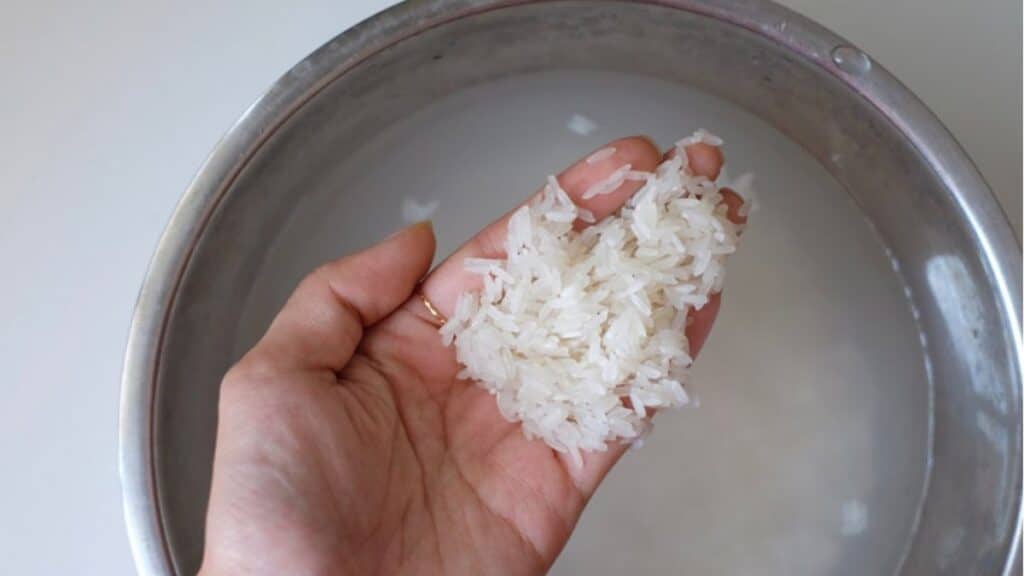
Preparation begins with soaking the rice. Measure one cup of Basmati rice into a bowl, rinse it under cold running water 2-3 times until the water runs relatively clear (this removes excess starch that can make rice sticky), then cover with fresh water and let it soak for 20-30 minutes. Meanwhile, shell your fresh peas if using whole pods, slice your onion thinly, and gather your whole spices so everything is ready when you begin cooking.
Tempering the spices (tadka) is where the magic begins. Heat 2-3 tablespoons of ghee in your pressure cooker over medium heat. When the ghee is hot but not smoking, add all the whole spices—bay leaf, cinnamon stick, cloves, cardamom pods, and cumin seeds—in one go. Stir them gently for just a few seconds until they become fragrant and the cumin seeds begin to sizzle and darken slightly.

Sautéing the aromatics requires patience but delivers crucial flavor development. Add your thinly sliced onions to the tempered spices and stir well to coat them in the ghee. Reduce the heat to medium and cook the onions, stirring occasionally, for 8-10 minutes until they turn golden brown. This caramelization process develops natural sweetness and adds beautiful color to the finished pulao.
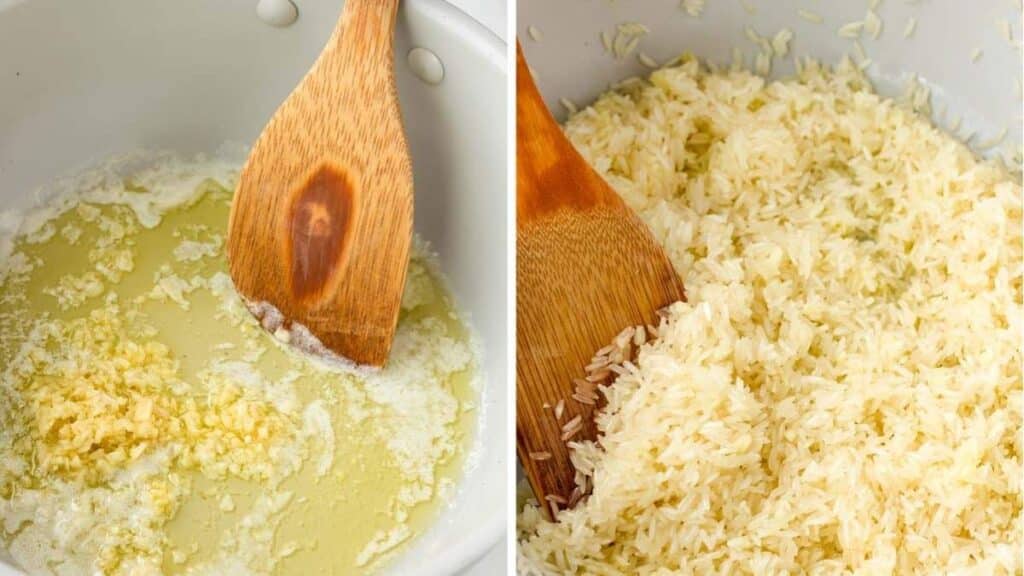
Adding peas and rice requires gentle handling. Toss in your cup of fresh green peas and sauté for 1-2 minutes to coat them in the spiced ghee. Then drain your soaked rice thoroughly (any excess water will affect your water ratio) and add it to the pressure cooker. Mix everything together gently—use a light folding motion rather than vigorous stirring to avoid breaking the delicate rice grains that have softened during soaking.
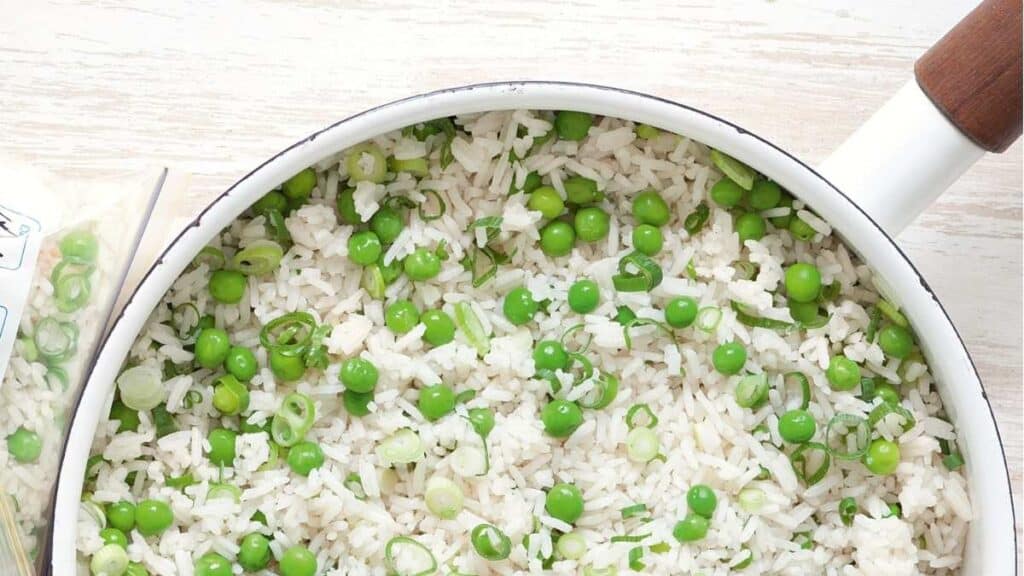
Adding water and pressure cooking completes the process. Pour in 1½ to 2 cups of water (start with 1½ cups if your rice was well-soaked and you want drier pulao; use 2 cups for slightly softer rice), add salt to taste (typically ¾ to 1 teaspoon, depending on preference), and give everything one final gentle stir to distribute the salt evenly.
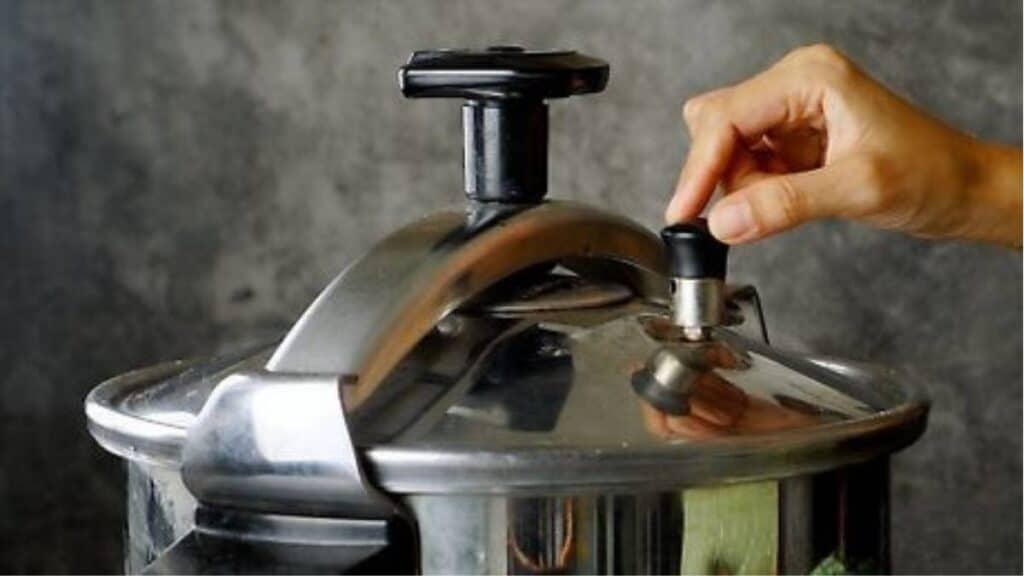
Natural pressure release is crucial for perfect texture. Let the pressure cooker sit undisturbed for at least 10-15 minutes after you turn off the heat. The rice continues cooking gently in the residual heat and steam, and the grains set properly, making them fluffy and separate when you finally open the cooker.
Step-by-Step Instructions: Stovetop/Kadai Method
Initial preparation and tempering follow the same steps as the pressure cooker method. Soak your rice, prepare your ingredients, and set up your mise en place. Use a heavy-bottomed kadai or pot with a tight-fitting lid—a good seal is essential for trapping steam and cooking the rice evenly.
Sautéing peas and rice happens just as before. Add your peas, sauté briefly, then fold in the drained rice and coat everything in the ghee and spices. This foundation of properly tempered spices and well-sautéed aromatics is what makes the finished pulao flavorful throughout rather than just seasoned on the surface.
The boiling and simmering technique differentiates stovetop cooking from pressure cooking. After adding your water (use the full 2 cups for stovetop cooking since more evaporation occurs) and salt, increase the heat to high and bring the mixture to a rolling boil. This initial high heat jump-starts the cooking process and helps the grains begin absorbing liquid quickly.
The covered simmer is where patience becomes virtue. Let the rice cook undisturbed on the lowest heat for 15-18 minutes. Resist the powerful temptation to lift the lid and check on the rice—every time you open the lid, you release steam and lower the temperature inside the pot, which extends cooking time and can result in unevenly cooked rice.
Resting and fluffing complete the stovetop method. Turn off the heat but leave the covered pot undisturbed for another 5-10 minutes. This resting period allows the rice to finish steaming in its own residual heat, ensuring the grains are cooked through and properly set.
Pro Tips for Restaurant-Quality Hara Matar Pulao at Home
Achieving restaurant-quality Hara Matar Pulao at home requires understanding subtle techniques that professional cooks use but rarely articulate. These tips transform good pulao into exceptional pulao.
Rice quality and age matter enormously. Premium aged Basmati rice (ideally aged 1-2 years) elongates better during cooking, has superior aroma, and creates fluffier pulao than fresh rice. If possible, invest in good quality aged Basmati from brands known for their rice—the difference is noticeable and worth the modest extra cost.
Soaking time precision affects texture. Under-soaked rice (less than 20 minutes) won’t cook evenly and may have hard centers even when the exterior is done. Over-soaked rice (more than 45 minutes) becomes too soft and can turn mushy during cooking. The sweet spot is 20-30 minutes in room temperature water.
Ghee temperature control during tempering prevents burned spices. The ghee should be hot enough that cumin seeds sizzle immediately when added but not so hot that spices burn before releasing their flavors. If your spices blacken within seconds, your ghee is too hot—remove the pan from heat briefly to cool it slightly before proceeding.
Onion caramelization depth determines flavor complexity. Pale golden onions add mild sweetness; deep brown onions (being careful not to burn them) contribute rich, almost caramel-like flavor that adds remarkable depth to the finished pulao. Take the onions as dark as you dare without crossing into burnt territory.
Water ratio adjustments depend on multiple factors. Older rice absorbs more water; rice soaked longer needs less cooking water; pressure cooking requires less water than stovetop cooking because less evaporation occurs. Start with standard ratios but adjust based on your specific rice, equipment, and preferences.
Salt timing matters more than you might think. Adding salt before cooking allows it to be absorbed into the rice grains as they cook, seasoning from within rather than just coating the surface. However, avoid oversalting—you can always add more at the table, but you can’t remove excess salt from overcooked rice.
Pea timing preserves color and texture. Adding peas too early results in dull olive-green peas that have lost their appealing color and become mushy. Adding them with the rice, as this recipe suggests, provides a nice balance—they cook through but retain some textural integrity and color. For even firmer, brighter peas, you can add them halfway through cooking (tricky with pressure cooker; easier with stovetop method).
The resting period after cooking is as crucial as the cooking itself. Just-cooked rice is fragile—the grains haven’t fully set and are prone to breaking and clumping. The resting period with residual heat allows the rice to firm up properly, making it much easier to fluff into separate grains.
Fluffing technique affects final presentation. Use a fork rather than a spoon, and work with a gentle lifting and separating motion rather than stirring. Start from the edges and work toward the center, lifting layers of rice and letting them fall back naturally. This motion separates grains without mashing them.
Garnish choices enhance both flavor and presentation. Fried onions (birista) add sweet crunch and visual appeal. Fresh coriander leaves provide color and herbaceous freshness. A squeeze of lemon juice just before serving brightens all the flavors and cuts through the richness of ghee. Toasted cashews or almonds add textural luxury for special occasions.
Serving Suggestions and Pairing Ideas
Hara Matar Pulao’s versatility shines in how beautifully it pairs with various accompaniments, from simple to elaborate, making it appropriate for casual family dinners through to more formal meals where you want impressive food without overwhelming cooking demands.
Raita is the classic accompaniment that appears alongside Hara Matar Pulao in most Indian homes. The cool, creamy yogurt preparation provides temperature and textural contrast to the warm, dry pulao while its tanginess balances the rice’s aromatic spices. Plain raita with just cumin and salt works beautifully, but you can elaborate with cucumber raita, boondi raita, or mixed vegetable raita depending on what you have available.
Pickles and papad add bright, intense flavor punches that complement the pulao’s more subtle seasoning. Indian lime pickle, mango pickle, or mixed vegetable pickle provide sharp, spicy-sour notes that wake up the palate between bites of mildly spiced rice. Crispy roasted or fried papad adds textural crunch and salty intensity.
Curry and dal pairings transform the pulao from simple meal to feast. Rich, creamy gravies like paneer butter masala, dal makhani, or shahi paneer complement the pulao beautifully—the rice absorbs the gravies deliciously while providing neutral base that balances their richness. For lighter options, pair with dal tadka, chana masala, or aloo gobi.
Salads and kachumber provide fresh, crunchy contrast. A simple onion-tomato-cucumber salad dressed with lemon juice and chaat masala, or traditional kachumber with finely chopped vegetables and herbs, adds brightness and textural variety that makes the meal feel more complete and balanced.
Beverage pairings enhance the dining experience. Traditional options include chilled buttermilk (chaas) or sweet lassi, both of which cool and refresh. For non-dairy options, fresh lime water or jeera water complement the meal’s flavors without overwhelming them. Hot masala chai makes a perfect finish after the meal.
Leftover transformation ideas make Hara Matar Pulao even more valuable. Day-old pulao can be transformed into fried rice with vegetables and soy sauce, or used as stuffing for parathas, or served as pulao chaat with chutneys and yogurt. The rice also reheats beautifully—sprinkle a little water over it, cover, and microwave or steam gently to refresh.
Nutritional Information and Health Benefits
Fresh green peas provide the primary nutritional highlights of this dish. Peas are excellent sources of plant-based protein (about 5-6 grams per cup), making this pulao more nutritionally complete than plain rice. They’re rich in dietary fiber, which aids digestion and helps maintain stable blood sugar levels despite the rice’s carbohydrate content.
Basmati rice offers advantages over other rice varieties from both culinary and nutritional perspectives. Its lower glycemic index compared to other white rice varieties means it causes slower blood sugar rises, making it a better choice for people managing diabetes or watching their carbohydrate intake. The aromatic compounds that make Basmati special also contribute antioxidant properties.
Whole spices used in the pulao contribute more than just flavor—they offer genuine health benefits documented in traditional Ayurvedic medicine and increasingly validated by modern research. Cumin aids digestion and has antimicrobial properties. Cloves contain eugenol, a compound with anti-inflammatory and antioxidant effects. Cinnamon helps regulate blood sugar and has anti-inflammatory properties. Cardamom supports digestive health and may have blood pressure-lowering effects.
Ghee’s nutritional profile is more complex than its reputation as “just fat” suggests. It contains healthy fatty acids including conjugated linoleic acid (CLA) and butyrate, both associated with various health benefits. Ghee is rich in fat-soluble vitamins A, D, E, and K. For those who can digest it, ghee provides easily absorbable fats that support nutrient absorption, particularly of fat-soluble vitamins and antioxidants from spices and vegetables.
Caloric content for a typical serving of Hara Matar Pulao (about 1.5 cups) ranges from 300-400 calories depending on how liberally you use ghee. The macronutrient breakdown is approximately 65-70% carbohydrates, 20-25% fat, and 10-15% protein—a reasonable balance for a rice-based dish, though you’d want to pair it with protein-rich accompaniments for a more balanced meal.
Healthier modifications can reduce calories and increase nutritional density without sacrificing too much flavor. Use oil instead of ghee (saves about 20-30 calories per serving). Increase the pea ratio relative to rice (boosts protein and fiber). Add other vegetables like carrots, beans, or cauliflower (increases vitamins and fiber). Use brown Basmati instead of white (adds fiber, vitamins, and minerals, though texture and taste differ).
