


You know that sinking feeling when your child’s lunch box comes back mostly full? Or when you open it at pickup and find the carefully cut vegetables untouched, the roti folded exactly as you packed it, while the cookie packet is mysteriously empty?
It’s not just about wasted food. When Priya’s seven-year-old daughter Maya started coming home exhausted every afternoon, barely able to focus on homework, Priya initially blamed it on longer school hours. But her pediatrician asked a simple question: “What’s she eating at school?” Turns out, Maya was trading her methi paratha for her friend’s chips, then crashing by 2 PM from the sugar spike.
The lunch box isn’t just fuel—it’s the foundation for your child’s concentration, energy levels, immune system, and even their mood throughout the day. And for us desi parents navigating North American school systems, there’s an added layer of complexity. We’re balancing nutrition with what our kids will actually eat in front of their friends, managing food that stays fresh for hours without refrigeration, and yes, dealing with the reality that our kids might feel self-conscious about bringing “different” food.
The good news? You don’t need to choose between nutrition and acceptance, between tradition and practicality. This guide walks you through vegetarian options that check all the boxes—healthy, appealing to kids, easy to prepare, and rooted in the flavors our children already love.
Quick Answer:
Healthy vegetarian snacks and lunch ideas for school kids should include protein (dal, paneer, beans), complex carbs (roti, rice, millets), healthy fats (nuts, ghee), and fruits/vegetables. The best lunch boxes mix familiar desi flavors with kid-friendly formats like wraps, bowls, and finger foods to ensure kids actually eat what you pack.
In this Article
Understanding What Kids Actually Need (Not Just What We Think They Need)
Before we dive into specific recipes, let’s talk about what growing bodies genuinely require. School-age children (5-12 years) need a balanced intake of proteins, complex carbohydrates, healthy fats, vitamins, and minerals. But here’s what that actually looks like in practice, not in theory.
The Core Components Every Lunch Should Have:
- Protein sources – Crucial for growth, muscle development, and sustained energy. For vegetarian kids: paneer, dal, chickpeas, rajma, sprouts, tofu, Greek yogurt, nuts and nut butters, cheese
- Complex carbohydrates – The slow-burning fuel that keeps energy steady. Think whole wheat rotis, brown rice, quinoa, whole grain bread, oats, millets like ragi or jowar
- Healthy fats – Essential for brain development and nutrient absorption. Ghee, nuts, seeds (flax, chia, sunflower), avocado, coconut
- Fruits and vegetables – The vitamin and mineral powerhouses. Aim for color variety throughout the week
- Calcium-rich foods – Critical for bone development. Dairy products, fortified plant milk, ragi, sesame seeds, leafy greens
What This Looks Like in Real Life:
A lunch box doesn’t need to have all these components in perfect proportion every single day. Some days will be better than others, and that’s completely normal. What matters is the overall pattern across the week. Monday’s simple curd rice can be balanced by Tuesday’s more elaborate paneer wrap and Wednesday’s dal and vegetable pulao.
Also, portion sizes matter more than we realize. A 6-year-old needs roughly 1,200-1,400 calories per day, while a 10-year-old needs about 1,600-2,000. But kids are also remarkably good at self-regulating if we let them. The goal isn’t to force-feed or restrict, but to offer nutritious options and trust their hunger cues.
The Morning Tiffin: Breakfast Ideas That Travel Well

Many schools now have early breakfast programs or allow kids to eat a small snack before the school day officially starts. These breakfast ideas work whether your child eats at home or needs something portable.
Quick and Nutritious Morning Options:
- Vegetable poha – Light yet filling, with peas, carrots, peanuts for protein. Add a squeeze of lemon for vitamin C
- Idli with sambar – Pack in a thermos to keep warm. The combination provides complete protein
- Whole wheat vegetable sandwich – Cucumber, tomato, grated carrot with green chutney or hung curd spread
- Oats upma – More nutritious than regular rava upma, with vegetables mixed in
- Moong dal chilla – High-protein savory pancakes that kids can eat with their hands
- Ragi porridge – Sweetened naturally with dates or jaggery, calcium-rich
- Whole wheat parathas – Aloo, paneer, or mixed vegetable, rolled and cut into pinwheels for easy eating
- Banana oats pancakes – Just mashed banana, oats, and milk, no refined flour needed
- Multigrain dosa – Crispy and fun to eat, with potato or paneer filling
The Make-It-Work Reality:
Not every morning allows for fresh poha or dosa-making. On rushed mornings, there’s nothing wrong with whole grain cereal with milk and a banana, or whole wheat toast with peanut butter and a fruit. The key is having a rotation of both elaborate and simple options so you’re not starting every day already stressed.
Power-Packed Mid-Morning Snacks
This is usually when kids get their first break, and their energy from breakfast might be waning. The mid-morning snack should be easy to eat quickly, not too filling (since lunch is coming), and ideally something that doesn’t create a mess.
Grab-and-Go Snack Ideas:
- Fresh fruit – Apple slices (spritz with lemon to prevent browning), orange segments, grapes, berries, seasonal fruits like mango or chikoo
- Dry fruits and nuts mix – Almonds, cashews, raisins, dried cranberries, pumpkin seeds (avoid if school has nut restrictions)
- Roasted makhana – Lightly salted or flavored with chaat masala, incredibly light and crunchy
- Whole wheat crackers with cheese cubes – Simple, protein-rich, no preparation needed
- Homemade trail mix – Puffed rice, roasted chana, peanuts, dried coconut chips
- Vegetable sticks with hummus – Carrots, cucumbers, bell peppers with a small container of hummus
- Banana or date energy balls – Rolled with oats and nuts, naturally sweet
- Multigrain khakhra – Crispy, travels well, comes in many flavors kids enjoy
- Fruit and nut bars – Homemade is best, but quality store-bought works too
- Roasted sweet potato or potato wedges – Season lightly, they’re delicious even at room temperature
The Packing Tip:
Use small containers or silicone cups to separate different components. Kids are more likely to eat cucumber sticks if they have a dedicated little container of hummus to dip them in, rather than everything mixed together.
The Main Event: Lunch Box Ideas That Won’t Come Back Uneaten
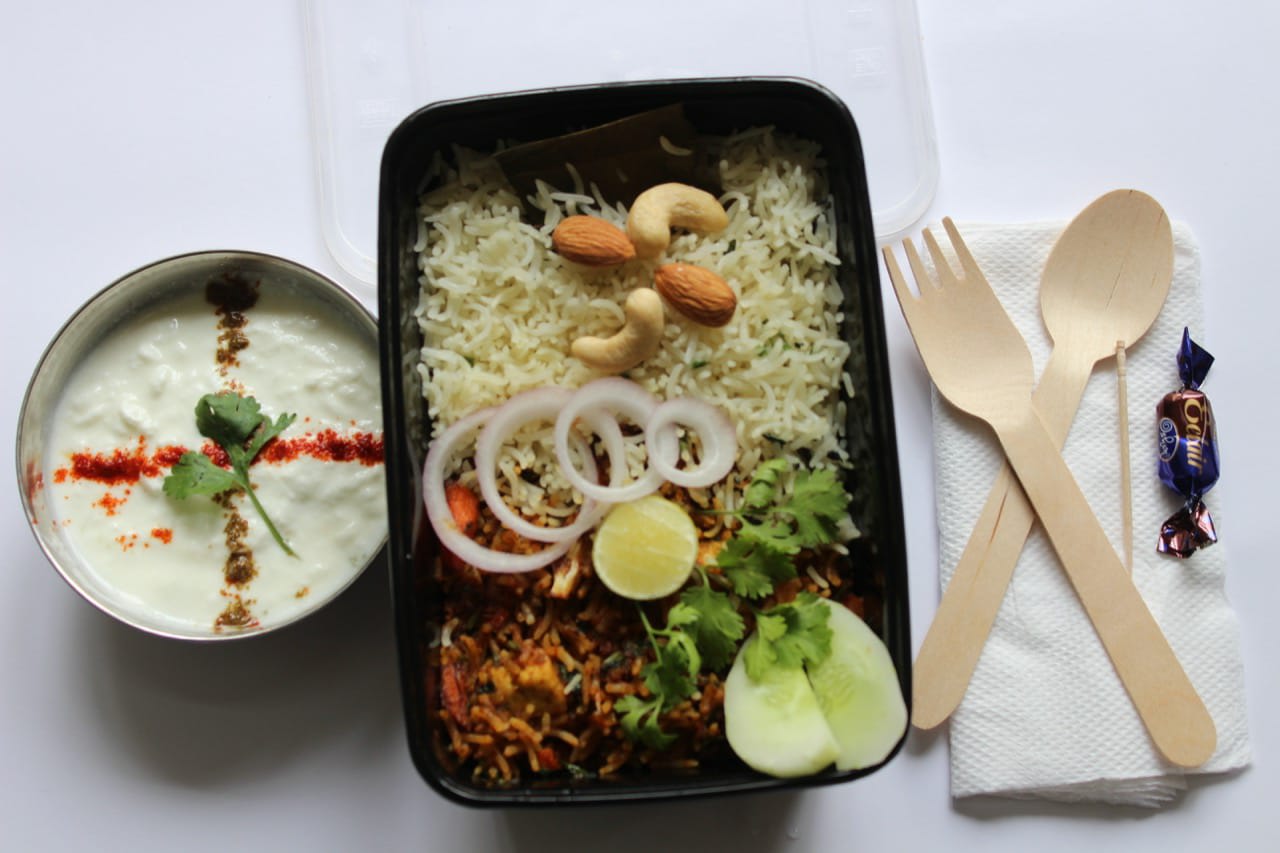
This is where we often overthink and overcomplicate. The best school lunch is one your child will actually eat, that provides balanced nutrition, and that you can prepare without losing your mind every morning.
Traditional Indian Lunch Options:
- Curd rice with pickle and papad – Cooling, easy to eat, probiotic-rich. Add grated carrot or pomegranate for color and nutrients
- Dal and rice – Pack dal in a thermos to keep warm. Add a tadka for flavor
- Vegetable pulao or biryani – One-pot meal with vegetables, protein from nuts or paneer
- Rajma chawal – Protein-packed, filling, beloved by most kids
- Chole with kulcha or puri – High in protein and fiber
- Paneer butter masala with rice or roti – A familiar favorite that rarely comes back uneaten
- Palak paneer with roti – Sneak in those greens with cheese
- Mixed vegetable sambar with rice – Complete protein when you combine lentils and rice
- Vegetable khichdi – Comfort food that’s also highly nutritious, easy to digest
- Lemon rice or tomato rice – Tangy, flavorful, travels well without getting soggy
Fusion and Contemporary Options:
- Whole wheat pasta with vegetables – In red or white sauce, add beans or chickpeas for protein
- Vegetable fried rice – With tofu or paneer cubes, soy sauce for flavor
- Whole wheat pizza – Mini pizzas on whole wheat base with veggie toppings
- Quesadilla with beans and cheese – Easy to eat, protein-rich, kids find it fun
- Falafel wrap – Chickpea-based, with cucumber, tomato, hummus
- Veggie burger in whole wheat bun – Homemade patties from mixed vegetables or beans
- Sushi-style rolls – Use brown rice, cucumber, avocado, cream cheese
- Chickpea salad sandwich – Mashed chickpeas with mayo, mustard, veggies
- Vegetable spring rolls – Baked not fried, with sweet chili dipping sauce
- Mini whole wheat tacos – With bean filling, lettuce, cheese, salsa
Roti-Based Combinations:

- Whole wheat roti with dal makhani – The tadka keeps the dal flavorful even when cool
- Roti with aloo gobhi – Classic combination, familiar taste
- Roti with matar paneer – Protein-rich, mildly spiced
- Roti rolls – Spread with chutney, fill with grated paneer or vegetables, roll and cut into pinwheels
- Paratha with yogurt – Aloo, paneer, mooli, or methi paratha with a small container of curd
- Roti chips with dal or curry – Cut rotis into triangles, crisp them up, pack with curry for dipping
Salad and Bowl Options (for older kids):
- Chickpea salad bowl – Chickpeas, cucumber, tomato, corn, with lemon-olive oil dressing
- Quinoa and vegetable bowl – Quinoa, roasted vegetables, tahini dressing
- Sprout salad – Moong or mixed sprouts, chopped veggies, chaat masala, lemon
- Mexican bean bowl – Black beans or rajma, rice, salsa, guacamole, cheese
- Mediterranean pasta salad – Whole wheat pasta, olives, cherry tomatoes, feta cheese
- Sweet potato and black bean bowl – Roasted sweet potato, black beans, corn, lime dressing
The Thermos Strategy:
Invest in a good quality thermos for hot foods. Foods like dal, sambar, pasta, or curries stay warm for 4-5 hours, making lunch more appealing. Just make sure you pre-heat the thermos with hot water before adding the food.
After-School Hunger: Healthy Evening Snacks
Kids walk through the door absolutely ravenous, and this is when they’re most likely to grab whatever’s easiest. Having healthy options ready prevents the default to chips and cookies.
Wholesome After-School Snack Ideas:
- Vegetable cutlets – Made with mixed vegetables and potatoes, baked or air-fried
- Corn chaat – Boiled corn with lemon, chaat masala, chopped onions
- Dhokla – Steamed, light, protein-rich from besan
- Fruit chaat – Mix of seasonal fruits with chaat masala and lemon
- Cheese toast – Whole wheat bread with cheese and vegetables, grilled
- Boiled eggs – If you include eggs in your vegetarian diet (skip if fully plant-based)
- Homemade popcorn – Air-popped, lightly salted or with chaat masala
- Paneer tikka – Grilled paneer cubes with vegetables
- Besan chilla – Quick savory pancake with vegetables
- Peanut butter and banana sandwich – On whole wheat bread, naturally sweet
- Vegetable soup – With whole wheat bread sticks for dipping
- Smoothies – Fruit, yogurt, sometimes hidden spinach or beetroot
- Homemade hummus with pita – Or vegetable sticks for dipping
- Masala roasted chickpeas – Crunchy, protein-rich, better than chips
- Mini idlis with chutney – Make in advance, reheat quickly
The Weekend Prep Advantage:
Make bigger batches of items like vegetable cutlets, dhokla, or energy balls on the weekend. Store them properly, and you have grab-and-go options all week. Your weekday-afternoon self will thank your weekend self.
Make-Ahead and Meal Prep Strategies
The secret to consistent healthy lunch boxes isn’t superhuman morning energy—it’s smart preparation. Here’s how to make it sustainable without taking over your entire weekend.
Sunday Prep Session (1-2 hours):
- Wash and chop vegetables – Store in airtight containers with a paper towel to absorb moisture
- Cook grains in bulk – Brown rice, quinoa, or even regular rice can be refrigerated for 3-4 days
- Prepare dough – Whole wheat atta dough stays fresh for 2-3 days refrigerated
- Make base gravies – Tomato-onion base for paneer dishes, dal that can be seasoned differently
- Batch cook proteins – Boil chickpeas, cook rajma, prepare paneer cubes
- Prepare snacks – Energy balls, roasted makhana, trail mix, vegetable cutlets
- Portion fruits – Wash berries, cut melons into cubes, prepare fruit boxes for the week
Weeknight Smart Cooking:
- Cook extra for dinner – Make enough rice, dal, or sabzi to use in next day’s lunch
- Use dinner leftovers creatively – Leftover roti becomes roti chips or mini pizzas, leftover rice becomes fried rice
- Pre-assemble lunch boxes – Pack dry components the night before, add fresh items in the morning
- Freeze individual portions – Parathas, pancakes, cutlets freeze well and thaw quickly
- Keep emergency backup options – Boxes of whole wheat pasta, cans of chickpeas, frozen vegetables
Time-Saving Kitchen Tools:
Having the right equipment makes everything easier. A good quality thermos, multiple small containers, a rice cooker that doubles as a steamer, and an air fryer for oil-free frying can dramatically reduce your daily cooking time.
Dealing with Picky Eaters (The Reality, Not the Instagram Version)
Let’s be honest—some kids eat everything, and some kids look at a new vegetable like it personally offended them. If you’re dealing with a picky eater, you’re not alone, and you’re not doing anything wrong.
Strategies That Actually Work:
- Involve them in planning – Let kids choose between two healthy options. “Do you want paneer paratha or moong dal chilla for lunch?” gives them control while you set the parameters
- Make it familiar with a twist – If they love pizza, make it on whole wheat base with extra veggies. If they love pasta, add chickpeas for protein
- Don’t make separate meals – But do include at least one thing you know they’ll eat alongside new items
- Presentation matters – Cookie cutters make sandwiches fun, bento-style boxes with compartments are appealing, colorful food is more inviting
- Dips change everything – Kids who won’t touch plain vegetables will eat them enthusiastically with ketchup, hummus, or yogurt dip
- Be patient with new foods – It can take 10-15 exposures to a new food before a child accepts it
- Model the behavior – Kids who see parents eating and enjoying vegetables are more likely to try them
- Don’t use food as reward or punishment – This creates unhealthy relationships with eating
The Hidden Vegetables Technique:

When all else fails, you can blend vegetables into foods kids already love. Spinach in dal, grated carrots in parathas, pureed vegetables in pasta sauce, beetroot in dosa batter. It’s not ideal as the only strategy (kids should also learn to appreciate vegetables as themselves), but it works when you need to ensure nutrient intake.
What Not to Stress About:
Most kids go through phases of eating only certain foods, then suddenly those foods become “yucky” and something else becomes the favorite. This is normal development. As long as they’re growing appropriately, have energy for activities, and their pediatrician isn’t concerned, variations in appetite and preferences are usually nothing to worry about.
Food Safety and Storage Tips
This is especially important for us since many traditional Indian foods are meant to be eaten fresh and warm. Here’s how to keep lunch boxes safe when food sits for several hours.
Temperature Control:
- Hot foods need insulated containers – Use a good quality thermos that keeps food above 140°F (60°C)
- Cold foods stay cold – Include ice packs in the lunch bag, especially for dairy items like yogurt or paneer
- Room temperature foods are tricky – Items like roti, dry rice dishes, and certain snacks are fine at room temperature for 4-5 hours
- When in doubt, thermal bag it out – Invest in an insulated lunch bag, especially during warmer months
Foods to Avoid in School Lunch:
- Anything highly perishable without proper refrigeration – Fresh cream-based items, mayonnaise-heavy salads (unless kept very cold)
- Foods that get soggy quickly – Save the crispy pakoras for home snacks
- Strong-smelling foods – As much as we love them, fish-based items or very pungent spices might make your child self-conscious
- Anything that requires heating – Most schools don’t have microwave access for students
- Foods that are messy – Young kids especially struggle with very saucy curries or crumbly foods
Container Wisdom:
- Leak-proof is non-negotiable – Especially for liquids like dal or yogurt
- Easy-to-open matters – Young children need containers they can open independently
- Size appropriately – Too-large containers make portions look small, too-small containers lead to spills
- Label everything – Even if it seems obvious to you, other kids might “accidentally” take items
- Stainless steel over plastic – More durable, doesn’t retain odors, better for environment
The Monday Morning Smell Test:
If something sat in your child’s locker all day Friday and you’re finding it Monday morning, it’s definitely not safe to eat (or smell). Teach kids to bring their lunch boxes home daily, even if they’re empty.
What are the healthiest vegetarian snacks for school kids?
Roasted makhana, fruit, yogurt, paneer cubes, vegetable cutlets, and homemade energy balls.
How do I keep rotis soft in a lunch box?
Wrap in foil or cloth and brush lightly with ghee.
Are packaged snacks ever okay?
Yes—in moderation. Choose whole-grain, low-sugar options.
What if my child feels embarrassed by Indian food?
Start with fusion foods like wraps, pasta, or paratha rolls and involve them in planning.
How much food should I pack?
Portion by age and activity level—adjust based on what comes back uneaten.
Here’s something nobody tells you when you’re standing in the kitchen at 6:30 AM, trying to figure out what on earth to pack for lunch: you’re doing better than you think you are. The lunch box that comes back half-eaten doesn’t mean you failed. The day you pack crackers and cheese instead of a elaborate hot meal doesn’t make you a bad parent.
The goal isn’t Instagram-worthy bento boxes every single day. The goal is nourishing your child’s body and mind in ways that are sustainable for your family. Some days that looks like beautifully arranged vegetable cutlets and fresh fruit. Other days it looks like leftover dal rice and a granola bar. Both are okay. Both are enough.
What matters most is that you’re thinking about it, trying, adjusting based on what works for your specific child. The fact that you’re reading this, gathering ideas, wanting to do better—that already makes you the kind of parent who’s getting it right.
Your child might not remember every lunch you packed, but they’ll remember that you cared enough to try. They’ll remember the comfort of familiar flavors, the occasional treat tucked in as a surprise, the note you included on hard days. They’ll remember feeling taken care of, even in something as simple as a lunch box.
And someday, when they’re packing lunch boxes for their own kids, they’ll finally understand why you got so unreasonably happy when the box came back empty.
