


Holi, India’s most vibrant and joyous festival, will be celebrated in 2026 with the same enthusiasm that has marked this spring celebration for centuries. The festival of colors brings families and communities together to celebrate the triumph of good over evil while welcoming the new season with splashes of vibrant hues.
Quick Summary:
Holi 2026 falls on March 14 (Rangwali Holi/Dhulandi) with Holika Dahan on March 13. However, according to the Hindu lunar calendar, Holika Dahan is on March 3 (6:23 PM to 8:51 PM) and Rangwali Holi on March 4, 2026.
Table of Contents
Holi 2026 Date: When Is the Festival of Colors?
According to the Hindu lunar calendar, Holi 2026 will be celebrated as follows:
Holika Dahan (Choti Holi): March 3, 2026 (Tuesday)
Rangwali Holi (Dhulandi): March 4, 2026 (Wednesday)
Some sources cite March 13-14 as Holi dates based on Gregorian calendar adjustments, but the traditional Hindu calendar places the celebration in early March 2026.
The festival falls on Phalguna Purnima (full moon day) in the Hindu month of Phalguna, marking the arrival of spring and the harvest season.
Holika Dahan 2026 Muhurat Timings
The auspicious timings for performing Holika Dahan in 2026 are crucial for those observing the traditional rituals:
Holika Dahan Timing: March 3, 2026, from 6:23 PM to 8:51 PM
Duration: 2 hours and 28 minutes
Purnima Tithi (Full Moon):
- Starts: 5:55 PM, March 2, 2026
- Ends: 5:07 PM, March 3, 2026
Inauspicious Timings to Avoid:
- Bhadra Punchha: 1:25 AM to 2:35 AM
- Bhadra Mukha: 2:35 AM to 4:30 AM
It is recommended to perform Holika Dahan during the specified muhurat while avoiding Bhadra periods, which are considered inauspicious for important ceremonies.
What Is Holi? Understanding the Festival of Colors
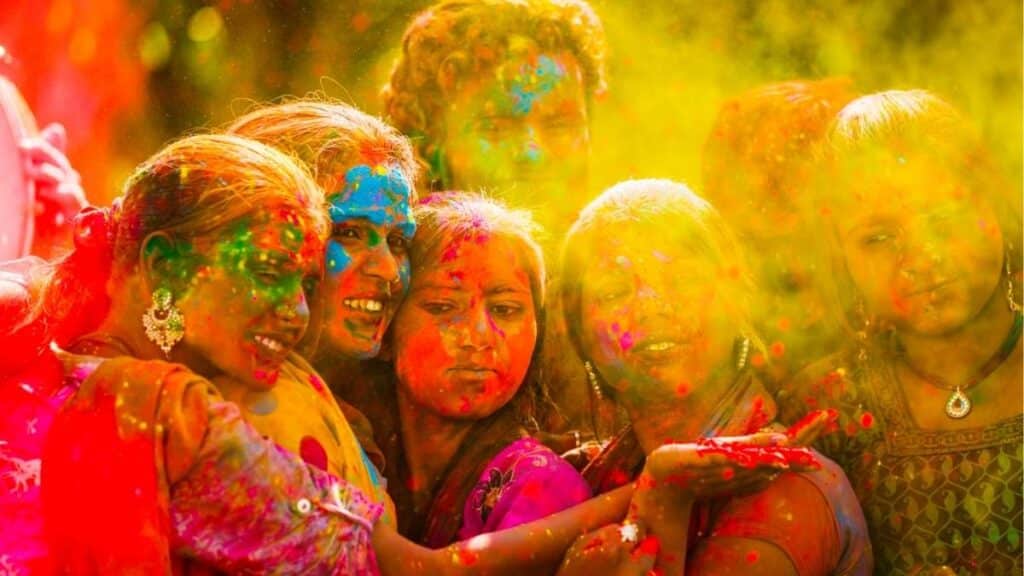
Holi is one of India’s most beloved festivals, celebrated with unmatched enthusiasm across the country and by Indian diaspora communities worldwide. Known as the “Festival of Colors” or “Festival of Love,” Holi marks the victory of good over evil and the arrival of spring.
The celebration spans two days:
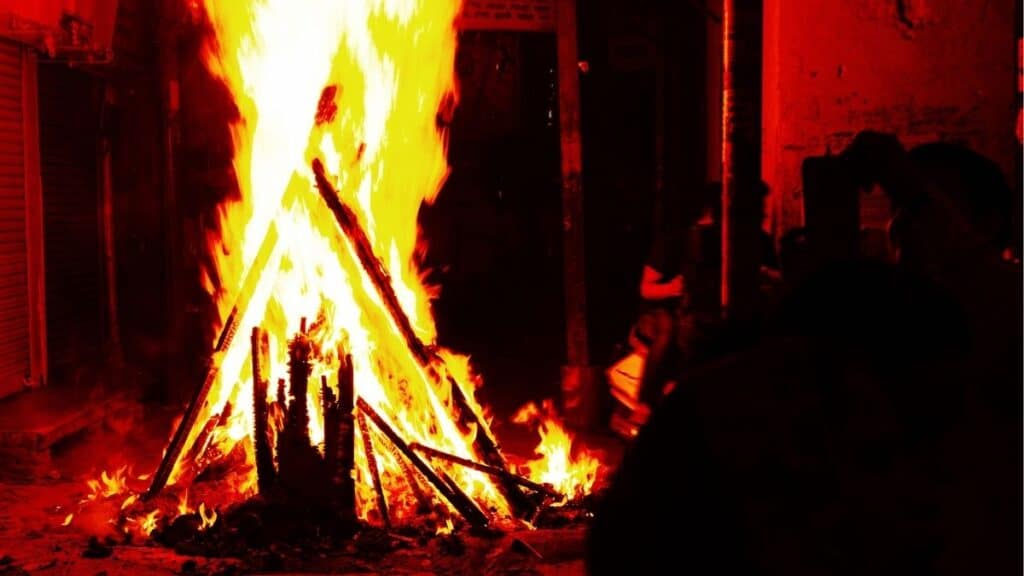
Day 1 – Holika Dahan (Choti Holi): Communities gather to light bonfires, symbolically burning away negativity and evil. The bonfire represents the burning of the demoness Holika, commemorating the victory of devotion over tyranny.
Day 2 – Rangwali Holi (Dhulandi): The main day of celebration where people drench each other in vibrant colored powders and water, forgetting past grievances and celebrating unity, love, and the spirit of togetherness.
Holi 2026 Significance: Why We Celebrate
Holi holds deep cultural, religious, and seasonal significance in Hindu tradition:
Religious Significance
The festival commemorates the legend of Prahlad and Holika from Hindu mythology. Prahlad, a devoted follower of Lord Vishnu, was saved from his evil father Hiranyakashyap’s attempts to kill him. When Holika tried to burn Prahlad alive using her fire-resistant powers, Lord Vishnu protected his devotee, and Holika perished instead.
This story symbolizes the triumph of devotion and righteousness over evil and arrogance.
Seasonal Significance
Holi marks the end of winter and the arrival of spring, celebrated during the harvest season when farmers gather their winter crops. The festival represents renewal, fresh beginnings, and the vibrant energy of nature awakening from winter dormancy.
Social Significance
Holi dissolves social barriers and hierarchies. On this day, people of all ages, castes, and backgrounds come together to celebrate as equals, strengthening community bonds and promoting forgiveness and harmony
How to Perform Holika Dahan: Step-by-Step Ritual Guide
Holika Dahan involves specific rituals that devotees follow to invoke blessings and ward off negativity:
Preparation for Holika Sthapana
- Clean the designated area with holy water and cow dung to purify the space
- Place a wooden pole at the center of the bonfire site
- Surround the pole with Gulari (beads made from cow dung)
- Create idols of Holika and Prahlad from cow dung and place them on the wood pile
- Decorate the pyre with cow dung toys and offerings
Creating Sacred Beads
Make four cow dung beads representing:
- Your ancestors
- Goddess Sheetala
- Lord Hanuman
- Your family
Set these aside for offering during the ritual.
Holika Dahan Ceremony
- Prepare your puja thali with holy water, rice, flowers, money, incense sticks, turmeric, coconut, and lentils
- Perform Sankalp by taking water, rice, flowers, and money in your right hand and stating your intention
- Invoke Lord Ganesha first, offering rice and flowers for auspicious beginnings
- Invoke Lord Narasimha and Prahlad, offering them rice and flowers
- Offer items to the bonfire: flowers, incense sticks, lentils, turmeric, coconut, and Gulari
- Circumambulate the pyre three to five times with Kaleva yarn
- Pour water from your pot into the burning fire
- Apply Holi colors to loved ones while seeking blessings from elders
- Offer harvested crops to the bonfire and distribute roasted crops as prasad
Holi Celebration Traditions Across India
While Holi is celebrated nationwide, regional variations add unique flavors to the festivities:
Lathmar Holi – Mathura & Vrindavan
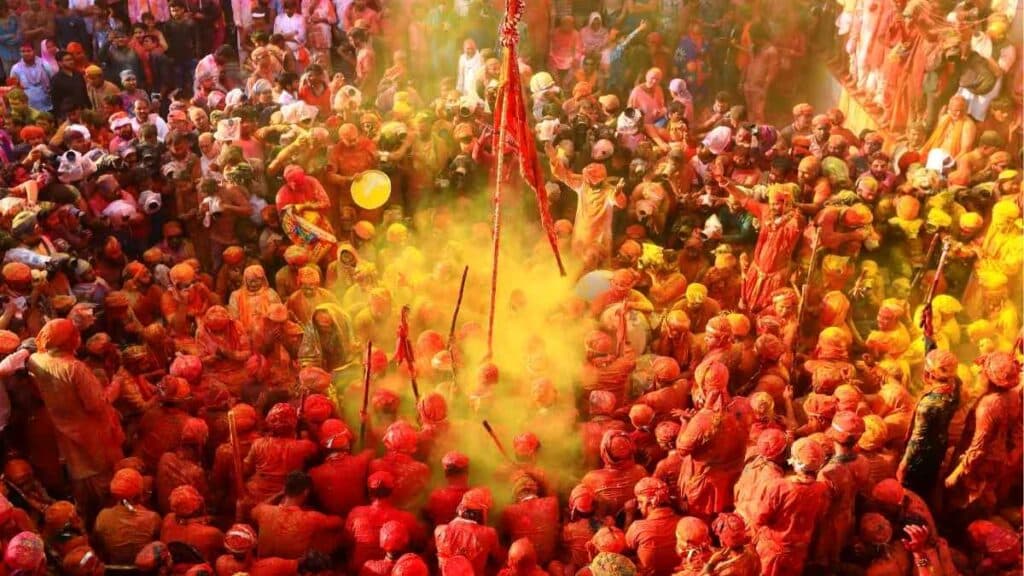
In Krishna’s birthplace, women playfully hit men with sticks (lathis) while men try to protect themselves with shields. This commemorates the legend of Krishna teasing the gopis, who would chase him away for his mischief.
Rangpanchami – Maharashtra
Celebrated five days after Holi, Rangpanchami in Maharashtra features traditional folk dances that help people release pent-up emotions and negative feelings through joyful expression.
Basant Utsav – West Bengal
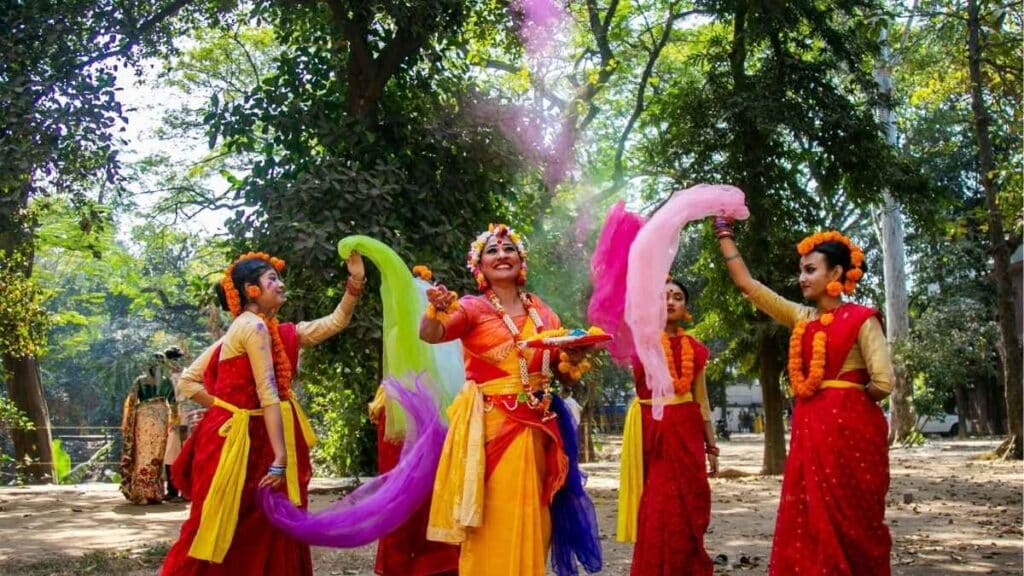
Initiated by Nobel laureate Rabindranath Tagore, Basant Utsav celebrates spring with cultural performances, singing, and dancing at Shantiniketan. The celebration emphasizes artistic expression and cultural heritage.
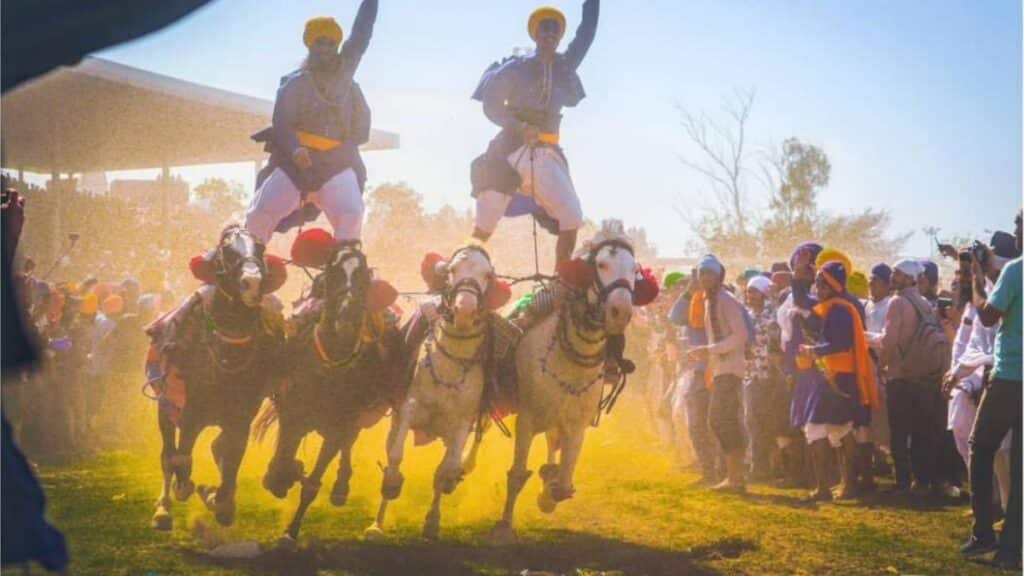
Hola Mohalla – Punjab
Sikhs celebrate Hola Mohalla at Anandpur Sahib with a grand fair featuring martial arts demonstrations, mock battles, and displays of physical prowess, consolidating community strength and warrior traditions.
Kaman Pandigai – Tamil Nadu
Tamil Nadu honors the sacrifice of Kama Dev (god of love), who was burnt to ashes by Lord Shiva’s third eye but later revived, symbolizing the power of love and devotion.
Phagu Purnima – Bihar
In Bihar and some other regions, the festival is known as Phagu Purnima, celebrated with similar enthusiasm but distinct local customs and traditions.
Traditional Holi Foods and Delicacies
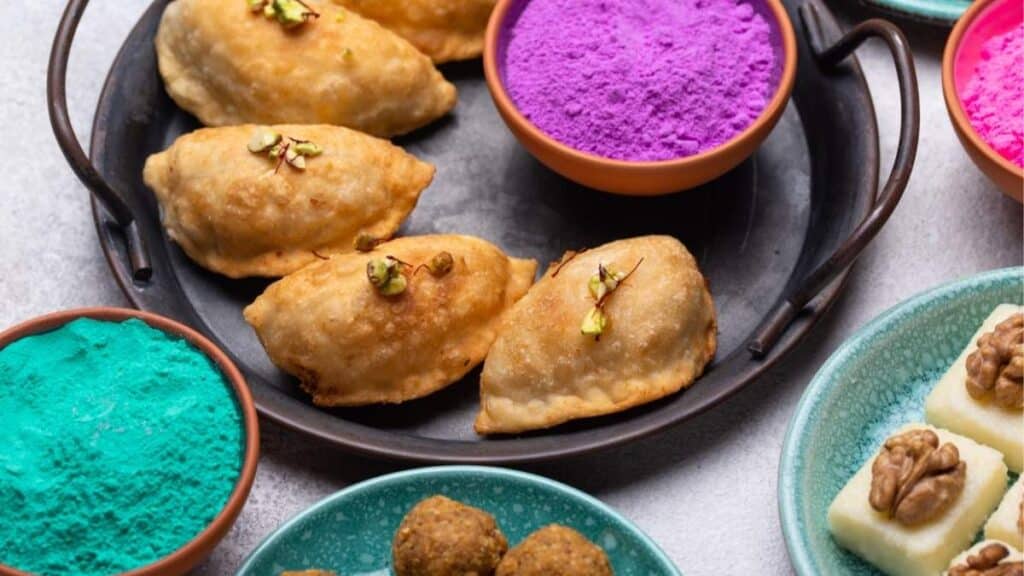
No Holi celebration is complete without special festive foods that families prepare and share:
Sweet Delicacies
- Gujiya: Sweet dumplings filled with khoya and dried fruits, deep-fried to golden perfection
- Malpua: Sweet pancakes soaked in sugar syrup, often served with rabri
- Thandai: A cooling milk-based drink infused with nuts, spices, and sometimes bhang (cannabis paste) for adults
Savory Treats
- Mathri: Crispy, flaky biscuits seasoned with spices
- Papads: Thin, crispy wafers made from lentil flour
- Dahi Vada: Lentil fritters soaked in seasoned yogurt
- Chips and Namkeens: Various fried snacks for munching throughout the day
These foods are prepared in advance and shared with guests who visit during the evening celebrations, strengthening family and community bonds.
How to Celebrate Holi Safely
While Holi is a joyous occasion, keeping safety in mind ensures everyone enjoys the festivities:
Skin and Eye Protection
- Use natural, organic colors made from flowers and herbs instead of chemical-based synthetic colors
- Apply oil or moisturizer generously before playing with colors for easier removal
- Protect your eyes by wearing sunglasses and avoiding direct color application to the face
- Check for allergies before using new color products
Staying Hydrated
- Drink plenty of water throughout the day
- Avoid excessive consumption of bhang, which can cause disorientation
- Balance sweet treats with water and savory foods
Fire Safety During Holika Dahan
- Maintain safe distance from the bonfire
- Keep children supervised near the flames
- Have water or fire extinguishers nearby
- Avoid wearing synthetic clothing that could catch fire easily
Respectful Celebration
- Always ask permission before applying colors to someone
- Respect those who prefer not to participate
- Avoid wastage of water, especially in water-scarce regions
- Clean up public spaces after celebrations
Eco-Friendly Holi: Sustainable Celebration Ideas
Modern environmental awareness has led to more sustainable Holi celebration practices:
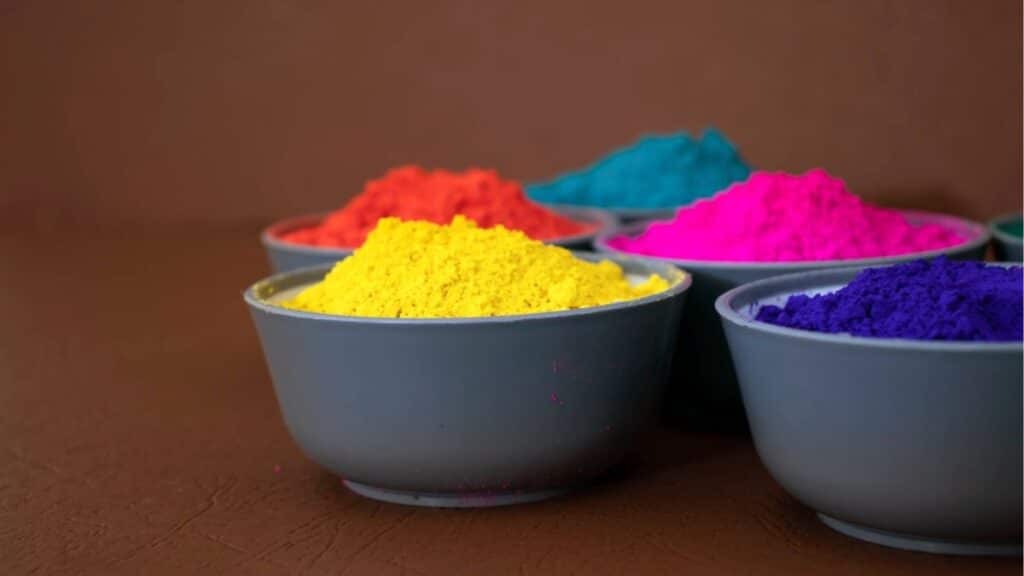
Natural Color Alternatives
- Red/Pink: Dried hibiscus flowers, rose petals, beetroot powder
- Yellow: Turmeric, marigold flowers, gram flour
- Green: Spinach leaves, henna powder, neem leaves
- Blue: Indigo, jacaranda flowers
- Orange: Turmeric with lime
Water Conservation
- Use dry colors instead of water-based celebrations
- Limit water usage, especially in drought-prone areas
- Organize “dry Holi” events focusing on community gathering
- Reuse and recycle water where possible
Reducing Waste
- Avoid single-use plastic packets for colors
- Use biodegradable materials for decorations
- Compost organic waste from food preparations
- Clean up thoroughly after celebrations
When is Holi in 2026?
Holi 2026 falls on March 4 (Rangwali Holi) with Holika Dahan on March 3, according to the Hindu lunar calendar.
What time is Holika Dahan in 2026?
Holika Dahan muhurat is from 6:23 PM to 8:51 PM on March 3, 2026, lasting 2 hours and 28 minutes.
What is the significance of Holi festival?
Holi celebrates the victory of good over evil (Prahlad’s devotion over Holika’s evil)
