


There are evenings during Navratri when you’re between puja and dinner, or preparing for garba, or just sitting with family after a long fasting day, and what you really want isn’t another sweet thing or another bowl of khichdi. What you want is something savory.
Made with mori atta (finger millet flour) instead of the gram flour used in regular pakoras, these patties are grain-free by design and completely Navratri-compliant. With approximately 4 grams of protein per piece, approximately 8 grams of fiber per serving, and calcium levels of approximately 350mg per 100g of ragi flour, mori bhajiya delivers nutrition that most fried snacks simply can’t match. Ready in 20 minutes from mixing to frying
Table of Contents
What Exactly Is Mori Bhajiya?
Mori bhajiya—also called ragi pakora or finger millet vada—is a crispy Navratri fasting snack that combines finger millet flour (mori/ragi) with mashed boiled potatoes and vrat-approved spices, shaped into patties approximately 2½ inches in diameter and ½ inch thick, then deep-fried until golden and crisp.
The flavor profile is savory and subtly nutty. Ragi flour has an earthy, almost nutty quality that’s distinct from wheat or rice. It’s not assertive—it doesn’t overwhelm—but it provides a depth and complexity that regular flour doesn’t offer. The cumin adds warmth, the black pepper provides gentle heat, and the sendha namak brings everything into focus.
This is evening garba food. Pre-puja snacking. The savory element that balances all the sweet things—sandesh, chhena kheer—that define Navratri desserts. And with the research noting that crunch increases snack satisfaction by approximately 65 percent, mori bhajiya delivers exactly the textural relief your palate needs after days of soft, yielding foods.
Recipe Overview
| Detail | Information |
|---|---|
| Prep Time | 10 minutes |
| Cook Time | 10 minutes |
| Total Time | 20 minutes |
| Yield | 16 pieces |
| Servings | 8 people (2 pieces each) |
| Cuisine | Gujarati (Vrat/Fasting) |
| Course | Snack |
| Diet | Vegetarian, Gluten-Free, Grain-Free, Vrat-Friendly |
| Difficulty Level | Easy-Medium |
| Calories per Piece | ~150 kcal |
Ingredients List
| Ingredient | Quantity | Notes |
|---|---|---|
| Mori flour (Ragi/Finger millet) | 1 cup (120g) | Also called ragi atta or nachni flour |
| Boiled potatoes | 2 large (300g) | Mashed while warm |
| Green chili paste | 1 teaspoon | Or 2 finely chopped green chilies |
| Crushed cumin seeds | 1 teaspoon | Coarsely crushed, not powdered |
| Black pepper powder | ½ teaspoon | For warmth |
| Sendha namak (Rock salt) | To taste | Regular salt if not fasting |
| Water | 2-3 tablespoons | Add gradually as needed |
| Oil | For deep frying | Temperature ~190°C |
| Fresh coriander (optional) | 2 tablespoons chopped | For added freshness |
The research emphasizes: “Calcium-rich ragi supports stamina during fasting.” And: “Millet fiber helps stabilize energy during fasting hours.”
Why Mori Bhajiya Is Perfect for Navratri Evenings
As Navratri progresses through days seven and eight (March 25-26, 2026), you settle into the rhythm of fasting. But evenings become the time when you need something more than just sustenance—you need satisfaction.
Protein and fiber balance. With approximately 10 grams of protein per serving (2 pieces) and approximately 8 grams of fiber, mori bhajiya provides macronutrient balance that most fried snacks lack. The research emphasizes the value of this combination for “protein-fiber balance” during fasting.
Twenty-minute preparation. From mixing the dough to frying the last piece, mori bhajiya takes approximately 20 minutes. During Navratri evenings when you’re coordinating multiple meals, puja schedules, and possibly garba preparations, speed matters. This is genuinely fast food.
Millet nutritional advantage. The approximately 350mg of calcium per 100g of ragi flour supports stamina and muscle function—particularly relevant during garba dancing or standing through long evening aartis. The iron content (approximately 15 percent daily value per piece) helps prevent the fatigue that can come from restricted eating.
Textural contrast to sweets. If you’re serving sandesh or chhena kheer as prasad or dessert, mori bhajiya provides savory, crispy contrast. The research notes this explicitly: mori bhajiya “balances creamy sweets like sandesh” in a complete Navratri thali.
Gujarati garba tradition. The research notes mori bhajiya is “popular in Gujarati households during evening garba gatherings.” Served with chaas (buttermilk) before or after dancing, it’s both culturally appropriate and functionally smart—providing energy and satisfaction for physical activity.
Market demand confirms value. Millet snack searches surge approximately 75 percent during festivals according to the research. This isn’t random—it’s evidence of collective understanding that millet-based snacks offer something grain-based ones don’t during fasting periods.
CHECK MORE ON: Chhena Kheer Recipe: Protein-Rich Dessert
The Oil Temperature Secret for Perfect Crunch
Here’s what’s happening at a molecular level: when you drop a bhajiya into properly hot oil (approximately 190°C), the exterior surface flash-fries almost instantly. The moisture on the surface evaporates, the millet flour and potato starch form a crisp crust, and that crust acts as a barrier preventing oil from penetrating into the interior. You get crispy exterior, tender interior, minimal oil absorption.
When oil isn’t hot enough—say 160-170°C—the exterior doesn’t seal quickly. The bhajiya sits in the oil for longer, soaking it up like a sponge. You end up with greasy, heavy fritters that taste oily rather than crispy.
The research states it directly: “Hot oil flash-fry seals millet nuttiness instantly.” And more specifically: “Medium-high heat prevents oil absorption and ensures crisp shell.”
Get these two things right—oil temperature at approximately 190°C and firm dough consistency—and your mori bhajiya will be exceptional.
Step-by-Step Instructions: Making Perfect Mori Bhajiya
Step 1: Prepare the Potato Base
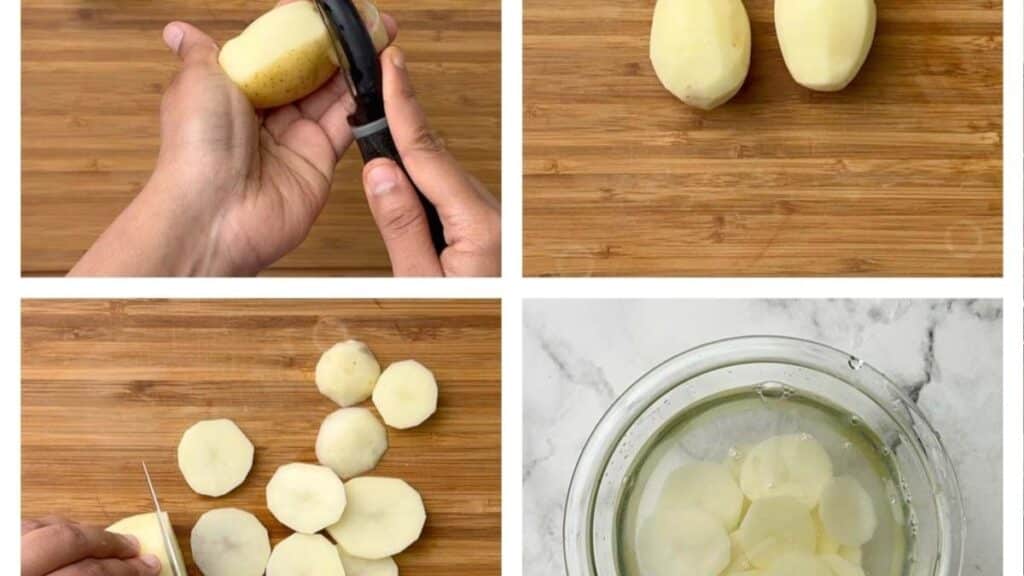
Boil 2 large potatoes (approximately 300g) in water until completely tender—you should be able to pierce them easily with a fork. This takes about 15-20 minutes depending on size.
Time: 15-20 minutes (can be done ahead)
Step 2: Make the Dough
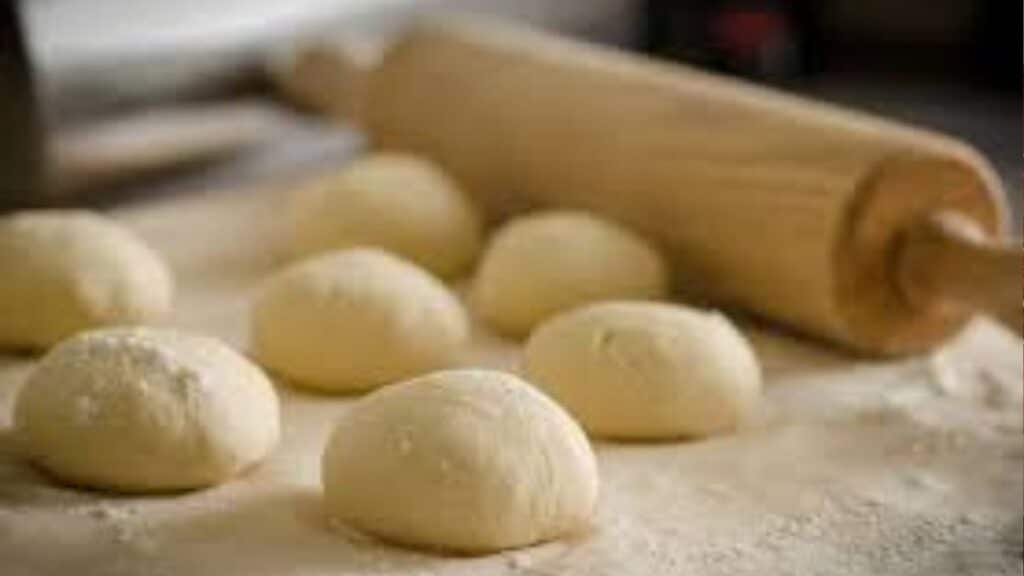
In a large mixing bowl, combine:
2 tablespoons chopped fresh coriander (if using)
The mashed warm potato
1 cup mori (ragi) flour
1 teaspoon green chili paste (or 2 finely chopped green chilies)
1 teaspoon crushed cumin seeds
½ teaspoon black pepper powder
Sendha namak to taste
Time: 5 minutes mixing + 5 minutes resting
Step 3: Shape the Patties
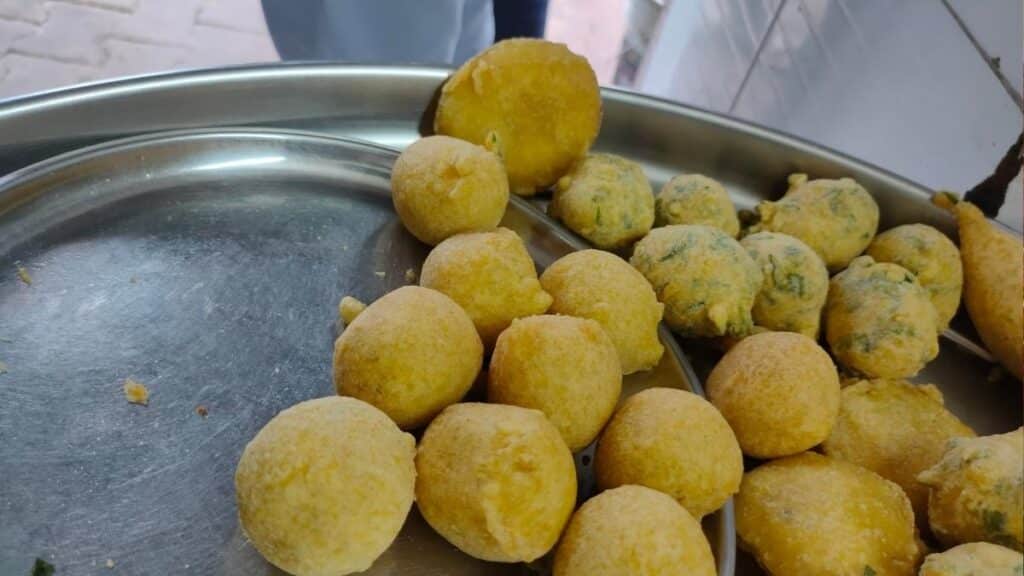
Lightly oil your palms to prevent sticking. Divide the dough into 16 equal portions. Roll each portion between your palms to form a smooth ball, then gently flatten into a disc approximately 2½ inches in diameter and ½ inch thick.
Time: 5 minutes
Step 4: Heat the Oil
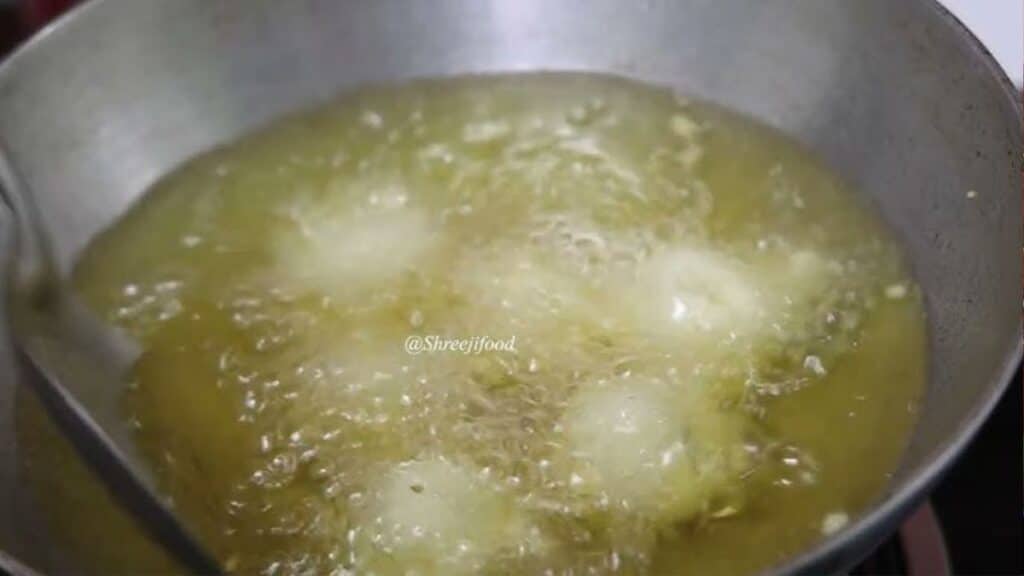
Heat oil for deep frying in a wide, heavy-bottomed pan or kadhai. You need enough oil for the patties to float freely—at least 2-3 inches deep.
Time: 5 minutes
Step 5: Fry to Golden Perfection
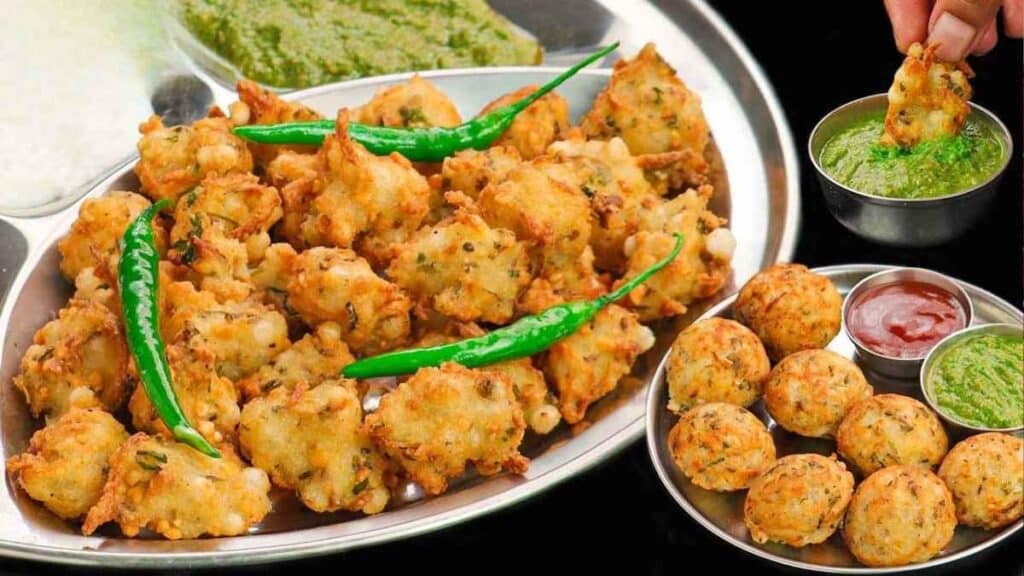
Fry for 2½ to 3 minutes on the first side without disturbing them. The research specifies: “2½–3 minutes per side ensures golden crust.” You’ll see the edges turning golden brown.
Time: 10 minutes for all batches
The research notes that the “baked version reduces oil but retains earthy flavor”—though the texture will be different from fried, it’s a valid lower-fat alternative.
Serving Suggestions
| Serve With | Context |
|---|---|
| Green coriander chutney | Traditional pairing; cooling contrast |
| Tamarind chutney | Sweet-sour balance |
| Plain yogurt | Cooling, probiotic accompaniment |
| Chaas (buttermilk) | Traditional garba pairing |
| Hot tea | Evening snack combination |
| Before prasad sweets | Savory-sweet sequence |
Ideal Navratri Timing
- Day 7 Evening (March 25, 2026): Pre-garba snack
- Day 8 Evening (March 26, 2026): Before prasad service
- Any Evening: Between puja and dinner
Make-Ahead Strategy
Prepare the dough the evening before Navratri day. Refrigerate overnight. On the day you want to serve, bring to room temperature, shape, and fry fresh. This reduces active work time to just 10 minutes.
CHECK MORE ON: Rajgira Puri Recipe: The Protein-Packed Bread That Actually Puffs
Why This Recipe Still Matters
In the landscape of Navratri snacking, mori bhajiya occupies an important position as the savory, crispy element that prevents snack fatigue. The research notes that millet snack searches surge approximately 75 percent during festivals, and approximately 65 percent of Gujarati households include millet fritters in fasts. But these statistics don’t capture what’s actually happening—they’re evidence of genuine need for texture variety during extended fasting.
After days of soft foods, your palate needs resistance. The research quantifies this: “Crunch increases snack satisfaction by 65%.” That’s not trivial. That’s the difference between feeling content with your fasting meals and feeling deprived.
This is functional food. Food that serves the body’s needs while also serving the palate’s desires. Food that acknowledges you’re fasting without making you feel like you’re suffering.
Why is my mori bhajiya absorbing too much oil and becoming greasy?
Oil temperature is almost always the culprit. If your oil isn’t hot enough (approximately 190°C), the exterior doesn’t seal immediately and the bhajiya soaks up oil like a sponge.
Can I make mori bhajiya without potatoes?
Potato is structurally essential for binding. Ragi flour has no gluten, so it can’t hold together on its own.
Why is my dough cracking when I try to shape it?
Cracking means the dough is too dry. The research states: “Cracks signal dryness; adjust with small potato addition.
