


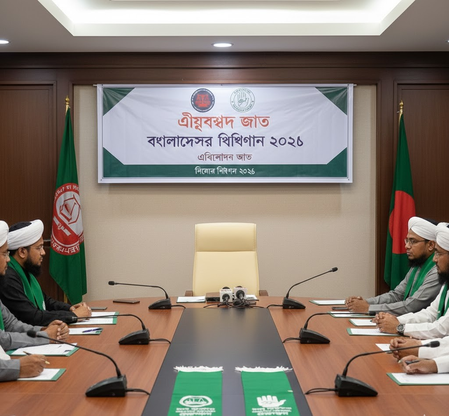
Just before the upcoming Bangladesh general elections, the radical Islamist party Jamaat-e-Islami-led alliance faces internal divisions as its coalition partner, Islami Andolon Bangladesh (IAB), decides to split from the bloc. IAB expressed its intention to contest independently in 268 out of 300 constituencies, emphasizing a desire to avoid relying on others for political support. This move follows the Jamaat-led alliance’s announcement of seat allocations for 253 constituencies, a decision that was met with opposition from IAB, a significant ally.
The rift between the two parties deepened after IAB boycotted the press briefing in Dhaka where the seat allocations were disclosed. Gazi Ataur Rahman, the spokesperson for IAB, criticized the alliance for unfair seat-sharing practices, alleging a departure from Islamic principles. He highlighted that the decision to break away was driven by a sense of disrespect experienced during the negotiation process, rather than merely the number of allocated seats.
Accusing Jamaat of displaying authoritarian behavior during negotiations, Ataur Rahman stated that his party had been subjected to humiliation. Despite facing rejection of two candidates out of the 270 nominations submitted, IAB affirmed that the candidacies of the remaining 268 individuals are valid and instructed them to proceed with contesting the election. The tensions between Jamaat and IAB, two prominent Islamist groups in Bangladesh, have escalated due to disagreements over seat-sharing arrangements.
Amidst escalating political tensions, Bangladesh gears up for the elections scheduled on February 12, with the rifts within the Jamaat-led alliance underscoring the challenges faced by the country’s political landscape.
