


Gujarat’s Chhari Dhand in Kutch has been recognized as a Ramsar Wetland of International Importance, becoming the state’s fifth Ramsar site and Kutch’s first. This announcement was made by Union Environment Minister Bhupender Yadav ahead of World Wetlands Day on February 2, bringing India’s total Ramsar sites to 98.
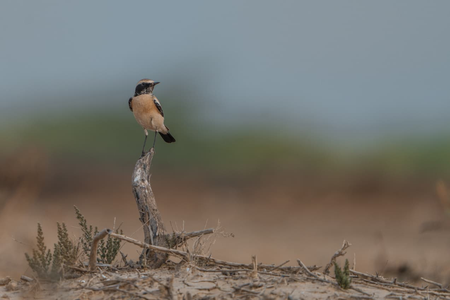
Chhari Dhand, situated on the edge of the Banni grasslands, spans around 227 square kilometers and serves as a transition zone between desert and grassland ecosystems. Designated as Gujarat’s first Conservation Reserve in 2008, it provides a habitat for more than 250 bird species. During winter, the site attracts 25,000 to 40,000 migratory birds from Siberia, Central Asia, and Europe, including various rare bird species.
The wetland not only supports a diverse avian population but also houses rare mammals like chinkara, desert foxes, caracals, desert cats, and wolves, making it a crucial biodiversity hotspot in Kutch. State Forest and Environment Minister Arjun Modhwadia highlighted that the Ramsar recognition of Chhari Dhand will lead to positive impacts on environmental conservation, biodiversity protection, local development, tourism, and international acknowledgment.
Chief Minister Bhupendra Patel expressed delight over this achievement, emphasizing Gujarat’s dedication to wetland conservation. The inclusion of Chhari Dhand Bird Sanctuary as a Ramsar Site reflects the state’s commitment to balancing development and nature, in line with Prime Minister Narendra Modi’s vision. This designation is expected to ensure the long-term preservation of Chhari Dhand, provide a secure environment for migratory and resident birds, and boost eco-tourism, creating new opportunities for local communities.
State officials, including Chief Wildlife Warden Dr. Jaypal Singh, the Gir Foundation, and Kutch Forest Division teams, played a pivotal role in securing Ramsar recognition through extensive research, monitoring programs, and biodiversity documentation. With Chhari Dhand’s addition, Gujarat now boasts five Ramsar wetlands, further solidifying its position as a key hub for migratory and resident birds and a leader in environmental conservation efforts.
