


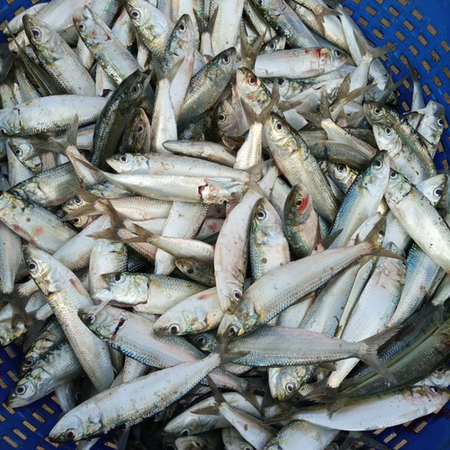
The Meghalaya government has implemented a prohibitory order to stop the unauthorized transportation, storage, sale, and distribution of fish brought in from Bangladesh without proper legal documentation. The District Magistrate of East Khasi Hills district in Shillong issued this order under Section 163 of the Bharatiya Nagarik Suraksha Sanhita (BNSS), 2023, to combat the illicit movement and trade of such fish within the district. This order prohibits the handling of illegally imported fish and the use of any means of transport for these activities.
The move comes in response to reports suggesting the illegal movement of fish from Bangladesh through various routes, including border crossings, rivers, roads, and markets within the state. Such actions raise concerns about the potential entry of these items into the district through multiple channels. The unauthorized import and sale of foreign-origin fish not only violate Customs and Food Safety regulations but also pose health risks and threaten the local aquatic ecosystem.
The unchecked sale and distribution of foreign fish pose significant risks to public health, impact the bio-security of the local aquatic environment, and lead to financial losses for legal fish traders and the state government. Violators of this order will face legal action under Section 223 of the Bharatiya Nyaya Sanhita (BNS), 2023, and other relevant laws, including the Customs Act and the Foreigners Act. In some Northeastern states, traders import fish from Bangladesh due to insufficient local production to meet demand.
Hilsa (Ilish) fish from Bangladesh is particularly popular in India, with high demand in states like West Bengal, Assam, Tripura, Meghalaya, and Odisha, where it is considered a premium and culturally significant delicacy. The northeastern states of Tripura, Meghalaya, Mizoram, and Assam share a 1,880-km-long international border with Bangladesh.
