


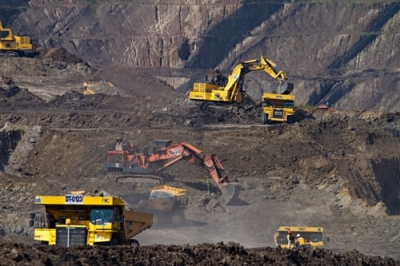
The Pakistan government and its military chief, Field Marshal Asim Munir, have been showcasing the country’s mineral wealth to attract US interest. However, the reality is more intricate than portrayed. Pakistan’s Ministry of Energy’s official yearbook lists various resources like copper, gold, coal, and gemstones, but the actual value differs from what is presented.
The focus should shift from mere extraction to the entire value chain, including processing, refining, and manufacturing. To achieve this, Pakistan requires improved geological data, reliable infrastructure, and trustworthy regulations. The current environmental laws are inadequate, particularly in Balochistan, leading to community alienation.
Balochistan faces challenges beyond extraction, such as job distribution, royalties, environmental impacts, and water access. Without local support, any mining boom remains politically fragile. Recent attacks by Baloch insurgents on mining sites have also raised security concerns in the region.
Pakistan must view minerals as a means to enhance its economy, not as a standalone solution. Tax reforms, diversified exports, a robust power sector, and a conducive business environment are essential for sustainable development. Relying solely on mineral exports will not drive Pakistan’s progress.
