


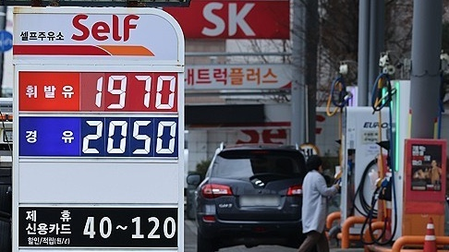
South Korea’s consumer prices increased by 2.2% in March compared to the previous year, primarily driven by a surge in global oil prices resulting from prolonged tensions in the Middle East. This rise, exceeding the government’s 2% inflation target, represents the most significant year-on-year increase since December. The Ministry of Data and Statistics reported that the spike was mainly fueled by a 9.9% surge in petroleum product prices from the previous year, with diesel and gasoline prices rising notably by 17% and 8%, respectively.
The recent price hike was influenced by the closure of the Strait of Hormuz following U.S.-Israeli strikes on Iran, disrupting global oil supplies. South Korea, heavily reliant on energy imports, felt the impact of this disruption. While prices of agricultural, livestock, and fishery products experienced a slight decline of 0.6%, driven by a sharp drop in agricultural prices, livestock and fishery products saw increases of 6.2% and 4.4%, respectively. Service prices also rose by 2.4% year-on-year, attributed to higher insurance costs.
In March, processed food prices increased by 1.6% compared to the previous year, showing a slight slowdown from the previous month. Notably, sugar prices fell by 3.1% year-on-year due to factory price reductions, while flour prices dropped by 2.3%. Core inflation, excluding volatile food and energy prices, also rose by 2.2% year-on-year. Despite the rise in consumer prices amid escalating fuel costs, the government mentioned the presence of a fuel price cap system that helped mitigate the impact, emphasizing its commitment to stabilizing prices amidst ongoing market fluctuations.
