


There are mornings during Navratri when you wake up and the thought of another plate of sabudana khichdi—however well-made—feels impossible. You love it. You’re grateful for it. But by day four or five, your body is quietly asking for something different. Something that feels like a proper breakfast rather than just fasting food. Something with the comfort and familiarity of what you’d eat on any normal morning, except it has to work within the rules of the fast.
If you’ve never made instant idli before, or if you’ve tried and ended up with flat, dense disappointments that bore no resemblance to the fluffy steamed cakes you were hoping for, this recipe is going to change things. The secret isn’t complicated. It’s just about understanding what ENO actually does, and getting your batter consistency exactly right.
Table of Contents
What Exactly Is Vrat Rice Idli?
Vrat rice idli is a steamed savory cake made from soaked and ground barnyard millet (sama rice) mixed with curd and activated with fruit salt for instant leavening. It’s the fasting adaptation of South India’s beloved breakfast staple—same soft, fluffy texture, same comforting presence on the plate, but made entirely with ingredients that comply with Navratri dietary rules.
The genius of this recipe is what it removes and what it keeps. Regular idli uses rice and urad dal, requires overnight fermentation, and takes planning. Vrat rice idli uses sama rice (which is vrat-approved), skips the dal entirely, and uses ENO fruit salt to create the air pockets that fermentation would normally provide. The result is ready in 30 minutes instead of 24 hours, and it’s completely grain-free and sattvic.
The texture is lighter than regular idli—not quite as dense, a little more delicate—but unmistakably idli in spirit. When you tear one open and see those characteristic air pockets, when you dip it in coconut chutney and it soaks up just enough without falling apart, you know this isn’t a compromise. This is a legitimate breakfast that happens to also be fasting food.
Recipe Overview
| Detail | Information |
|---|---|
| Prep Time | 10 minutes (plus 2 hours soaking) |
| Cook Time | 8 minutes per batch |
| Total Time | ~30 minutes active time |
| Yield | ~12 idlis |
| Servings | 4 people (3 idlis each) |
| Cuisine | South Indian (Vrat/Fasting Adaptation) |
| Course | Breakfast |
| Diet | Vegetarian, Gluten-Free, Grain-Free, Vrat-Friendly, Sattvic |
| Difficulty Level | Easy-Medium |
| Calories per Serving (2 idlis) | ~120 kcal |
Ingredients List
| Ingredient | Quantity | Notes |
|---|---|---|
| Sama ke chawal (Barnyard millet) | 1 cup | Thoroughly rinsed |
| Thick fresh curd (yogurt) | ½–1 cup | Full-fat preferred |
| Desiccated coconut | 1 tablespoon | Adds moisture and subtle flavor |
| Lemon juice | 1 tablespoon | Fresh squeezed |
| Citric acid | ½ teaspoon (optional) | Enhances tanginess if needed |
| ENO fruit salt | 1 teaspoon | Critical for fluffiness |
| Sendha namak (Rock salt) | To taste | Regular salt if not fasting |
| Roasted cumin powder (optional) | ½ teaspoon | For flavor depth |
| Oil or ghee | For greasing molds | Ghee preferred for fasting |
| Water | As needed | Minimal; for grinding |
Why Vrat Rice Idli Is Perfect for Navratri Fasting
Chaitra Navratri 2026 runs from March 19 to 27—nine days when breakfast options can start to feel repetitive around day three. You have sabudana khichdi, shakarkandi chaat, kuttu puri with aloo, maybe some fruit if you’re being virtuous.
Sustained energy from millet. Barnyard millet has a glycemic index of around 52 compared to white rice’s 70. This means slower, steadier glucose release—no spike and crash, just sustained fuel through long fasting hours. With approximately 20 grams of carbohydrates per serving, you get enough energy to function without feeling weighed down.
Digestive support from fiber and probiotics. The millet provides roughly 4 grams of fiber per serving—five times what you’d get from white rice idli. The fresh curd adds probiotic bacteria that support gut health during a time when your digestive system is working differently. Together, they make this one of the most gut-friendly fasting breakfasts you can eat.
Protein without heaviness. Eight grams of protein per serving might not sound like much, but during fasting when protein sources are limited, every gram counts. And because it’s coming from curd and millet rather than heavy legumes, it’s protein that doesn’t sit in your stomach demanding attention.
Iron and calcium. Approximately 3mg of iron per serving helps prevent the fatigue that sometimes comes with restricted diets. The 150mg of calcium from the curd supports muscle function—important when you’re standing through long pujas or dancing during garba.
Light and sattvic. Steaming is one of the most sattvic cooking methods—no oil, no aggression, just gentle heat transforming ingredients. The result is food that nourishes without overstimulating, which is exactly what fasting food should be.
CHECK MORE ON: Singhare Ka Halwa Recipe
The Secret to Perfect Vrat Idli: Batter Consistency and ENO Timing
Before we get into the steps, let’s establish the two things that separate fluffy, Instagram-worthy vrat idlis from the dense, disappointing version that makes you wonder why you bothered.
Batter consistency. Your batter should be thick enough to coat the back of a spoon but thin enough to pour smoothly. Think regular idli batter, not dosa batter. Too thick and the ENO can’t create enough air pockets. Too thin and the structure collapses. The exact amount of curd you need depends on how much water the sama rice absorbed during soaking, so add it gradually and check as you go.
ENO timing. This is non-negotiable: add the ENO only immediately before steaming. Not five minutes before. Not “let me just grease the molds first.” Immediately before. ENO starts working the second it hits liquid—creating carbon dioxide bubbles that make the batter rise. If you add it early and then take your time getting the batter into the molds, all those bubbles escape and you end up with flat idlis. Add ENO. Mix vigorously for 10 seconds. Pour into greased molds. Steam. In that order, with no delays.
Get these two things right and the rest is just following steps.
Step-by-Step Instructions: Making Perfect Vrat Rice Idli
Step 1: Soak the Sama Rice
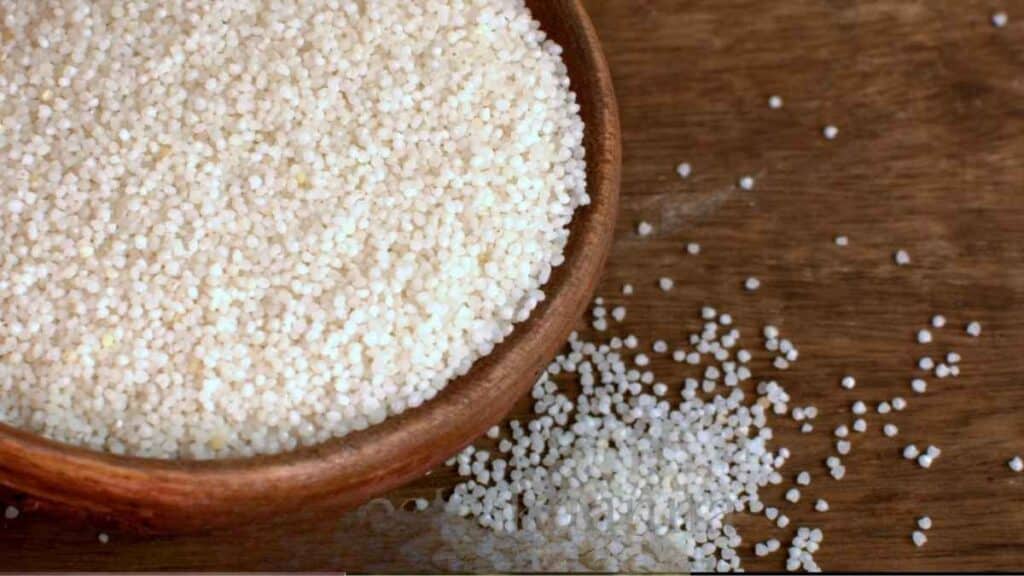
Rinse 1 cup of sama ke chawal under cold running water three to four times until the water runs clear. This removes surface starch and any impurities. Transfer to a bowl and cover with fresh water. Let it soak for 2 hours.
Time: 2 hours soaking (can be done overnight)
Step 2: Grind the Batter
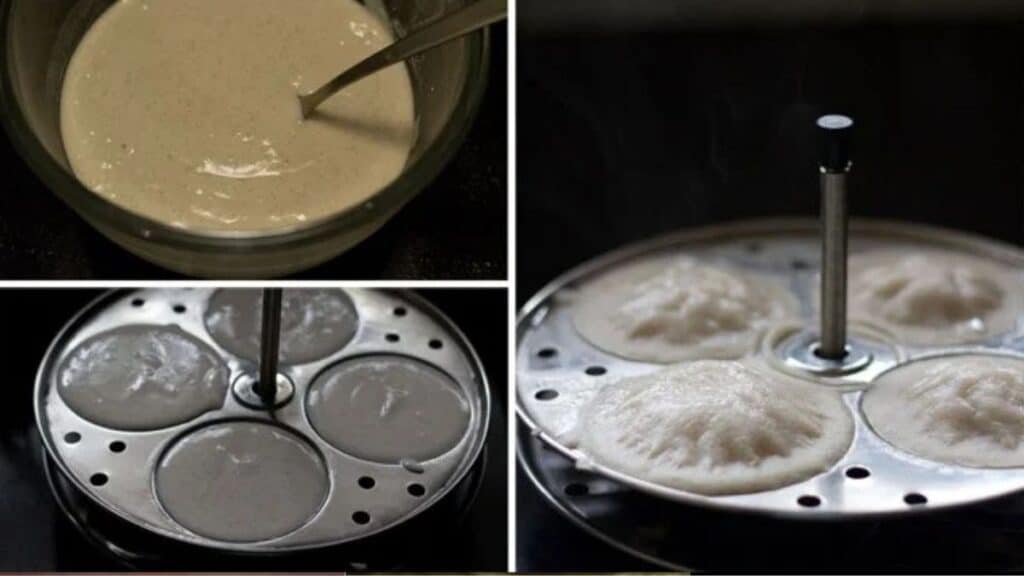
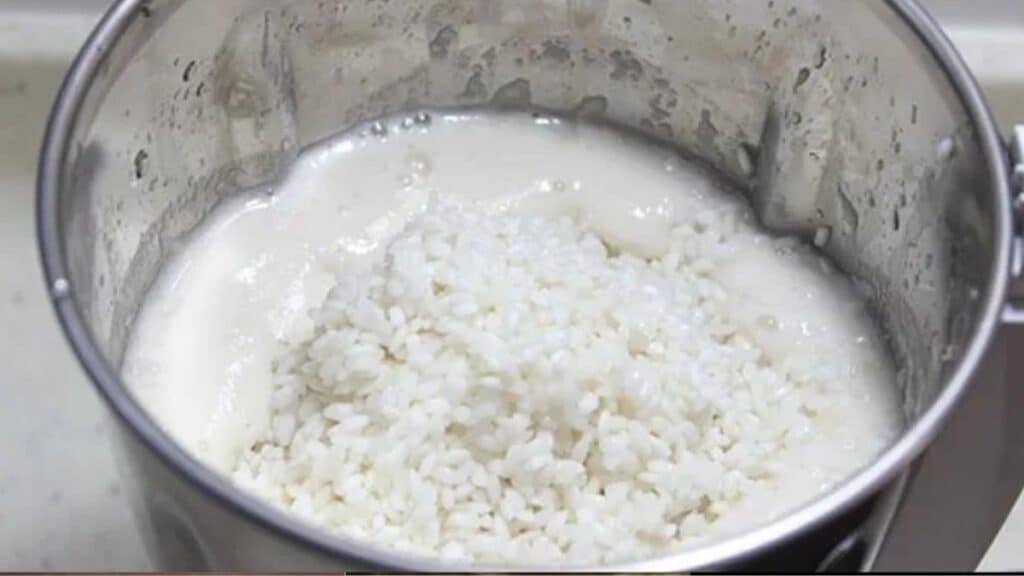
Grind to a smooth batter, adding minimal water as needed. The curd provides most of the liquid you need. You’re aiming for a consistency that’s thick but pourable—similar to regular idli batter or thick pancake batter.
Time: 5-7 minutes
Step 3: Prepare the Steamer
While the batter rests for a few minutes, set up your steaming equipment. Fill your idli steamer or pressure cooker (without the weight) with water and bring it to a rolling boil. Grease your idli molds generously with ghee or oil—every depression, thoroughly. This is not the time to be stingy.
Time: 5 minutes
Step 4: Activate the Batter with ENO
Mix vigorously with a spoon for about 10 seconds. You’ll see and feel the batter become lighter and airier immediately as bubbles form throughout. Don’t overmix—you just want to distribute the ENO evenly and incorporate the air it’s creating.
Time: 15 seconds
Step 5: Pour and Steam Immediately
Place the molds in the steamer, cover tightly, and steam on medium heat for 7 to 8 minutes. Do not open the lid during this time. Do not peek. The drop in temperature from opening the steamer will cause the idlis to deflate.
Time: 7-8 minutes
Step 6: Rest and Demold
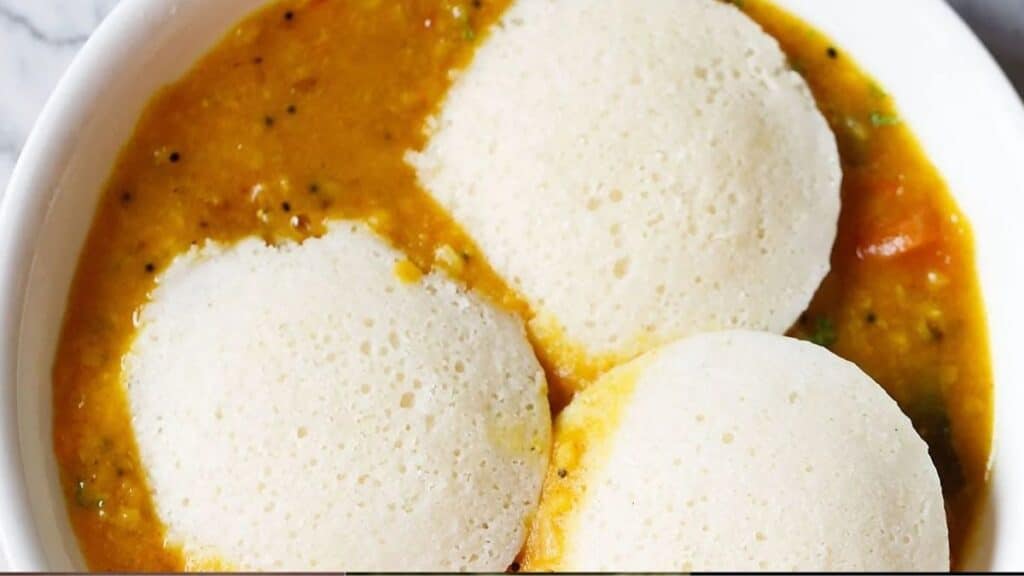
Turn off the heat and let the idlis rest in the covered steamer for 5 minutes. This resting period is important—it allows the structure to set completely so the idlis don’t break when you remove them.
Time: 5 minutes resting
Step 7: Serve Immediately
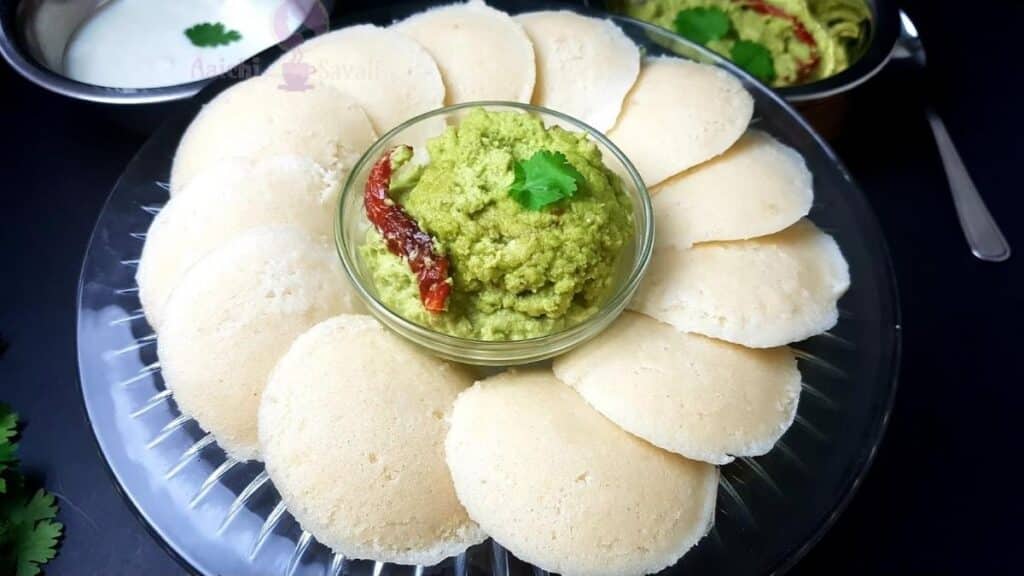
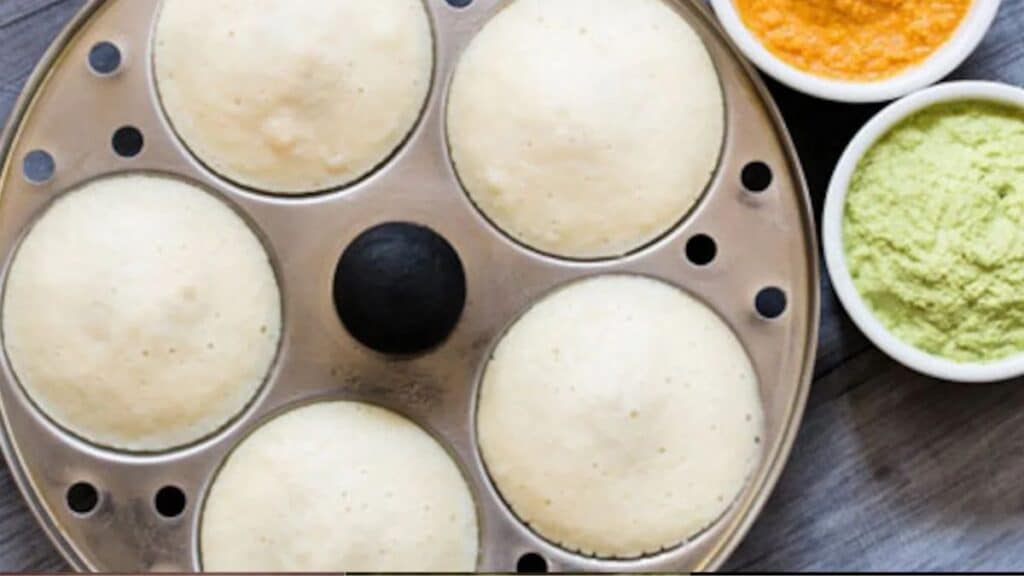
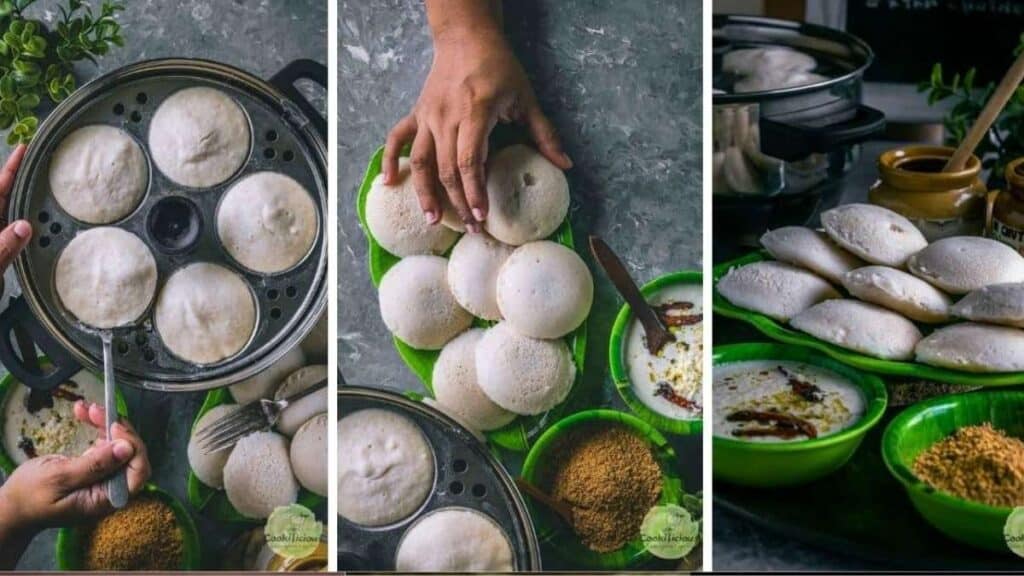
Vrat rice idlis are best served hot. Arrange them on a plate and serve immediately with coconut chutney, dahi aloo, or lauki sabji.
Total Active Time: About 30 Minutes (plus 2 hours soaking)
Serving Suggestions
| Serve With | Why It Works |
|---|---|
| Coconut chutney (vrat version) | Traditional pairing; cooling contrast |
| Dahi aloo | Creamy potato curry complements fluffy idli |
| Lauki ki sabji | Light vegetable pairing for complete meal |
| Peanut chutney (if allowed) | Protein boost; South Indian tradition |
| Plain curd | Simple, probiotic-rich accompaniment |
Quick Vrat-Friendly Coconut Chutney
Grind together:
- ½ cup fresh coconut (grated)
- 2-3 green chilies
- 1-inch piece ginger
- 2 tablespoons curd
- Sendha namak to taste
- Water as needed for grinding
Optional tempering: Heat 1 teaspoon ghee, add ½ teaspoon cumin seeds, let them splutter, pour over chutney.
Why This Recipe Still Matters
In a fasting tradition that can sometimes feel restrictive, vrat rice idli is a small act of culinary intelligence. It takes the constraints seriously—no grains, no fermentation, only vrat-approved ingredients—and then works within those constraints to create something that feels abundant rather than limited.
This is food that understands what fasting is actually about. Not deprivation. Not suffering through meals that barely sustain you. But a different way of eating that can still provide comfort, nourishment, and the particular pleasure that comes from breakfast food that actually tastes like breakfast.
When you sit down to a plate of hot vrat rice idlis on day five of Navratri, when you dip them in coconut chutney and the soft, fluffy texture gives way exactly the way idli should, when you feel satisfied and nourished rather than merely fed—you’re experiencing what happens when traditional wisdom meets practical creativity.
So this Navratri, soak your sama rice the night before. Grind your batter with good curd and just enough lemon. Add that ENO at the last possible second and pour quickly into well-greased molds. Steam for exactly 7 minutes and then rest them before demolding.
Because sometimes, especially during nine days of discipline and devotion, what you need most is food that remembers you’re still human.
Why are my vrat idlis coming out flat and dense instead of fluffy?
This is almost always one of two issues: either the batter was too thin, or the ENO wasn’t working properly.
Can I make vrat rice idli without ENO? What can I substitute?
ENO is essentially a combination of baking soda and citric acid. You can substitute it with ¾ teaspoon baking soda plus ½ teaspoon citric acid or lemon juice added separately.
How much curd should I use? The recipe says ½ to 1 cup.
The exact amount depends on how much water your sama rice absorbed during soaking, which varies by brand and age of the millet.
