


Running a vegetarian or vegan kitchen may seem like a cleaner, simpler operation than a meat-based kitchen. However, ventilation, grease traps, and HOA (Homeowners’ Association) rules can still create unexpected challenges—especially if you plan to operate as a commercial or home-based food business. Here’s everything you need to know to keep your kitchen compliant and efficient.
Why Grease Traps Matter Even in Plant-Based Kitchens
A common misconception is that vegetarian or vegan cooking doesn’t generate enough fats, oils, and grease (FOG) to require a grease trap. In reality, many plant-based ingredients can still clog drains and damage sewer systems.
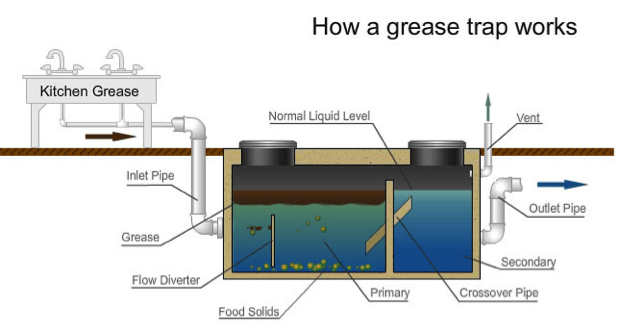
Hidden FOG Sources in Vegetarian/Vegan Cooking:
- Dairy-Based Ingredients: Butter, milk, and cheese in vegetarian recipes.
- Cooking Oils: Olive oil, coconut oil, margarine, and frying oils.
- Baked Goods: Batters and dough with oils, shortening, or plant fats.
- Plant-Based Fats: Avocado, nut butters, and coconut oil that harden like animal fats.
Local water authorities typically require any food service establishment—even vegan cafés or high-volume home kitchens—to install a grease trap if significant FOG is generated. Cooking methods like sautéing, baking, and frying, regardless of ingredients, can all trigger this requirement.
Check Out: Commercial Real Estate Investment Risks: A Must-Know Guide for Smart Buyers
Key Factors That Determine Grease Trap Needs
- Local Regulations: Municipal agencies and water treatment departments will evaluate whether your kitchen needs a grease trap.
- Cooking Volume: High-output kitchens, such as restaurants, hospitals, or campus cafeterias, almost always require a trap.
- Maintenance: Grease traps must be emptied and cleaned regularly to prevent odors, flooding, and slow drainage.
💡 Pro Tip: Combine a grease trap with biological drain dosing systems to break down FOG naturally, reduce odor, and lengthen maintenance intervals.
Ventilation Systems: A Must for Every Vegetarian/Vegan Kitchen
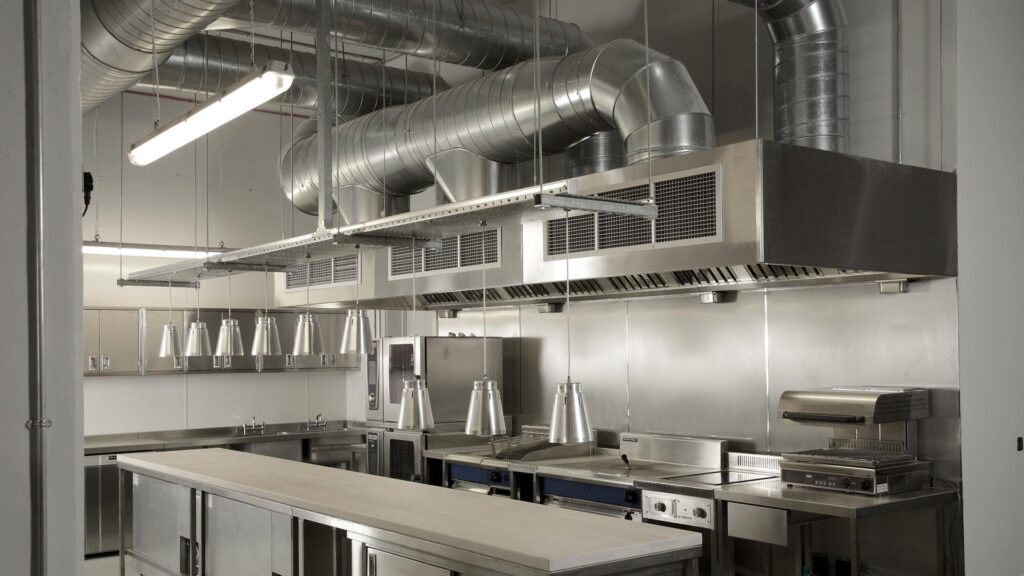
Even without meat, plant-based cooking creates heat, steam, and grease-laden vapors that must be safely removed. A well-designed ventilation system is crucial to maintain a healthy environment and meet fire and safety codes.
Essential Ventilation Components:
- Type I Hood: Captures grease vapors and includes grease filters and often a fire suppression system.
- Makeup Air System: Replaces exhausted kitchen air with fresh air to prevent negative pressure and maintain indoor air quality.
- Odor Control: Activated carbon filters or advanced systems to reduce cooking smells, critical for kitchens near residential areas.
HOA Rules: The Hidden Challenge for Home-Based Kitchens
Operating a vegetarian or vegan business from home can be tricky if you live in a community governed by a Homeowners’ Association. HOA covenants and restrictions often focus on preserving property values and neighborhood harmony.
Common HOA Concerns:
- Exterior Modifications: Visible exhaust fans or vents often need board approval.
- Noise & Odor Nuisance: Even mild cooking smells can trigger complaints.
- Discharge Location: Exhaust must be placed away from neighbors’ windows and outdoor living spaces.
- Business Restrictions: Many HOAs limit or prohibit home-based commercial activities that increase traffic or strain shared utilities.
Compliance Checklist for Home-Based Vegetarian/Vegan Kitchens
- Review HOA Documents: Get a copy of CC&Rs and discuss plans with the board.
- Consult Local Authorities: Check with the city’s planning and zoning department for commercial kitchen requirements.
- Hire Professionals: Work with a licensed HVAC contractor or commercial kitchen consultant experienced in food-service compliance.
Why Proper FOG Management Is Non-Negotiable
Unmanaged fats, oils, and grease can clog drains and create “fatbergs”—massive blockages that disrupt sewer systems and cause expensive repairs. Businesses found responsible may face hefty fines and legal action, not to mention damage to their reputation.
Smart Alternatives & Upgrades
While traditional grease traps are effective, they require regular maintenance and space. Innovative solutions include:
- Grease Removal Units (GRUs): Automate FOG collection for easy disposal.
- Biological Drain Dosing: Uses natural bacteria to break down FOG before it enters the sewer system.
These systems can work alongside grease traps to improve hygiene and reduce maintenance costs.
Whether you’re running a bustling vegan restaurant or a home-based vegetarian bakery, ventilation, grease traps, and HOA compliance aren’t just technicalities—they’re essential for health, safety, and business success. By understanding local regulations, investing in proper equipment, and consulting professionals, you can create a plant-based kitchen that’s powerful, safe, and fully compliant.
