


The ongoing tensions in West Asia are affecting India’s exports, particularly in sectors like handicrafts and mango shipments. Exporters have noted that a significant portion of India’s trade, up to 50-60% in some sectors, is connected to Middle Eastern markets, where demand usually rises during the Ramzan period. The President of the Kashmir Chamber of Commerce and Industry (KCCI), Javid Tenga, highlighted that the West Asia conflict has severely disrupted business activities this season.
Large volumes of export consignments are currently stuck in India due to the disruptions, while payments for dispatched shipments are facing delays. Exporters are under pressure as their banking limits for both pre-shipment and post-shipment stages are nearly exhausted. In response to the situation, exporters have requested a six-month extension in credit facilities from the government to alleviate liquidity stress.
The handicrafts sector is one of the hardest hit, experiencing market closures and limited movement in West Asia, leading to a virtual standstill in sales. Tenga emphasized that handicraft exports have been severely impacted, affecting the livelihoods of many individuals associated with the sector. Exporters have raised their concerns with the government, and efforts are being made by the Director General of Foreign Trade (DGFT), Lav Aggarwal, to address the issues.
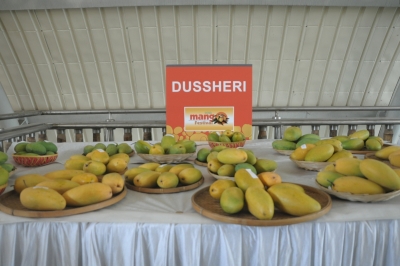
Kay Bee Exports Chairman, Prakash J. Khakhar, mentioned that the crisis has also impacted mango exports, with shipments now heavily reliant on air cargo due to disruptions in sea routes. Air freight costs have nearly doubled from around Rs 300 per kg to Rs 600–650 per kg, significantly increasing the financial burden on exporters. Limited airline operations have led to connectivity issues, restricting exports to specific destinations like London, Singapore, Dubai, Hong Kong, and Goa.
Exporters have urged the Union government to consider temporary air freight subsidies to counter the rising logistics costs, alleging that airlines are charging higher rates due to limited competition under the open sky policy. Mango prices have witnessed sharp fluctuations, starting at Rs 1,500-1,800 per unit and gradually stabilizing as more arrivals enter the domestic market.
