


There’s a specific kind of anticipation that builds as Navratri approaches day nine. You’ve been fasting for eight days—eating mindfully, praying regularly, maintaining the discipline of the vrat. And then Navami arrives, March 27, 2026, and with it comes the permission to celebrate. To make prasad. To prepare something sweet that marks the completion of the journey and honors the goddess with something beautiful.
Made from fresh chhena (crumbled paneer) simmered in sweetened milk with saffron, cardamom, and nuts, chhena kheer is grain-free by design—suitable for even the strictest Navratri fasting rules. With approximately 15 grams of protein per serving and dual milk proteins that provide both immediate and sustained energy
Table of Contents
What Exactly Is Chhena Kheer?
Chhena kheer is a creamy milk dessert where freshly made chhena (the soft, crumbly fresh cheese also called paneer before it’s pressed into blocks) is simmered directly in milk until it absorbs the milk’s sweetness and flavor while maintaining its delicate, grainy texture. It’s flavored with saffron, cardamom, and garnished with roasted nuts—the classic combination that defines celebratory Indian milk desserts.
What distinguishes it from regular rice kheer is the complete absence of grains. Where rice kheer requires long simmering to soften the rice, chhena kheer is faster and lighter—the chhena is already soft, so it only needs brief simmering to integrate with the milk and absorb flavors.
The texture is unique. Not thick and pudding-like as some kheers become. Not thin and soupy. Somewhere in between—creamy milk studded with tender, flavor-soaked grains of chhena that have just enough texture to remind you they’re there without being heavy or chewy.
This is prasad food. Food made for offering. Food that carries intention and respect. And that shows in its restraint—it’s sweet but not cloying, rich but not heavy, celebratory but not excessive.
Recipe Overview
| Detail | Information |
|---|---|
| Prep Time | 10 minutes |
| Cook Time | 15 minutes |
| Resting Time | 30 minutes (enhances flavor) |
| Total Time | ~55 minutes |
| Servings | 6 people |
| Cuisine | North Indian (Vrat/Fasting) |
| Course | Dessert, Prasad |
| Diet | Vegetarian, Grain-Free, Vrat-Friendly |
| Difficulty Level | Easy-Medium |
| Calories per Serving | ~250 kcal |
Ingredients List
For the Kheer
| Ingredient | Quantity | Notes |
|---|---|---|
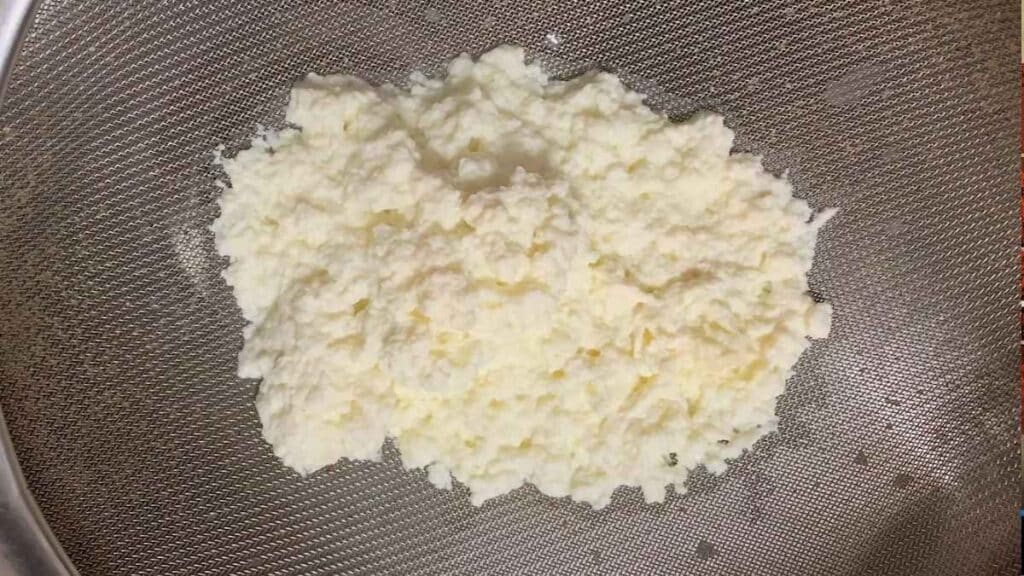
| Fresh chhena (paneer) | 200g | Crumbled finely; rice-grain texture |
| Full-fat milk | 1 litre | Provides creaminess |
| Jaggery powder | ½ cup | Or vrat-approved sugar |
| Saffron strands | 10-12 strands | Soaked in 2 tbsp warm milk |
| Cardamom powder | ½ teaspoon | Freshly ground preferred |
| Mixed nuts | 2 tablespoons | Almonds, cashews, pistachios |
| Ghee | 1 teaspoon | For roasting nuts |
| Raisins (optional) | 1 tablespoon | For natural sweetness |
Why Chhena Kheer Is Perfect for Navratri Navami
Chhena kheer fits this moment with unusual precision:
Grain-free compliance. Even on Navami, when some fasting rules begin to relax, many households maintain grain-free eating through the day’s ceremonies. Chhena kheer meets this requirement completely—no rice, no grains, just milk solids, milk, and sweetener.
Protein for recovery. The approximately 15 grams of protein per serving is significant after eight days of fasting. The research emphasizes the value of dual milk proteins: “Balanced milk proteins provide both immediate and sustained energy.” Whey protein delivers quick amino acids for immediate recovery; casein releases slowly over hours, preventing the energy crash that can come from breaking a fast with only simple carbohydrates.
Fifteen-minute preparation. On Navami morning when you’re coordinating puja timing, Kanya puja preparations, and prasad distribution, a dessert that’s ready in 15 minutes of active cooking is genuinely practical. You’re not standing at the stove for an hour while other responsibilities wait.
Calcium for bone health. The approximately 400mg of calcium per serving (roughly 30 percent of daily value) supports bone health after a period of potentially reduced calcium intake during fasting.
Tryptophan for relaxation. Milk contains tryptophan, an amino acid that aids relaxation and sleep. After eight days of heightened spiritual focus and physical discipline, a dessert that gently encourages your body to relax is both appropriate and kind.
Cultural resonance. The research notes that approximately 60 percent of households end Navratri fasts with kheer variations, and dairy dessert preference rises to approximately 80 percent during festive seasons. These aren’t random preferences—they’re evidence of collective wisdom about what the body and spirit need at this particular moment.
CHECK MORE: Vrat ke Chawal Recipe: The Fluffy Samak Rice
The Fresh Chhena Technique and Jaggery Timing
Before we get into the step-by-step, let’s establish the two techniques that determine whether your chhena kheer is exceptional or merely adequate.
Fresh chhena versus store-bought paneer. The research states it clearly: “Fresh chhena absorbs milk flavors far better than firm paneer.” Here’s why that matters: chhena is the soft, crumbly fresh cheese you get immediately after curdling milk and draining the whey. Paneer is what chhena becomes after you press it into a block, forcing out more moisture and creating a firm texture. That firmness is exactly what you don’t want in kheer.
Jaggery timing. This is non-negotiable: add jaggery only after removing the kheer from heat. Never add it to boiling milk. The research warns: “Never add jaggery to boiling milk—curdling risk.”
Here’s what happens: jaggery is acidic. When you add acid to hot milk, the milk proteins coagulate and the milk curdles into unappetizing lumps. This ruins the smooth texture you’ve worked to create. But once you remove the pot from heat and the temperature drops slightly, you can stir in jaggery safely. It dissolves completely into warm (not boiling) milk without causing curdling.
Get these two things right—fresh chhena and off-heat jaggery—and your chhena kheer will be exceptional.
Step-by-Step Instructions: Making Perfect Chhena Kheer
Step 1: Prepare the Chhena
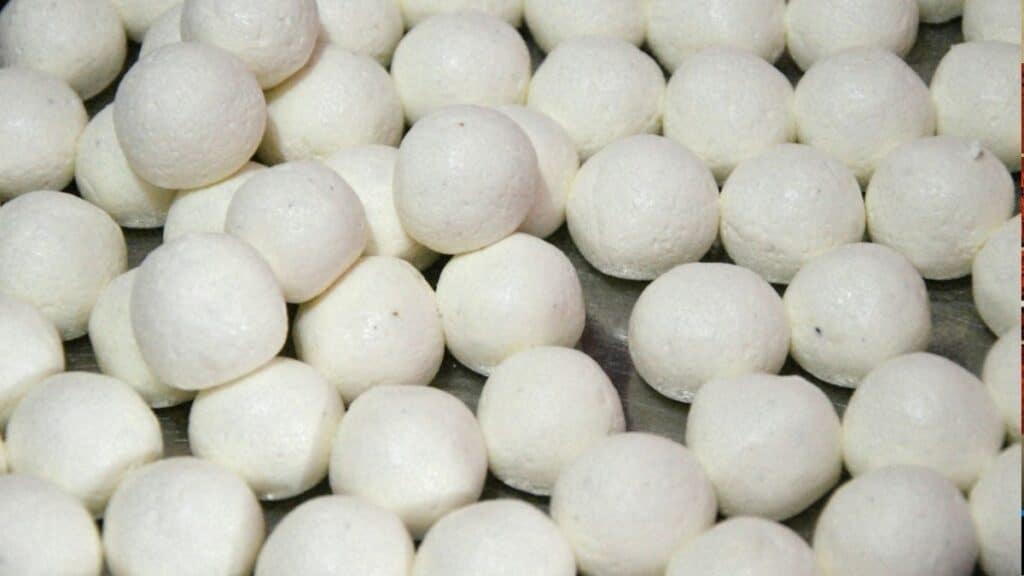
If you’re making fresh chhena: Bring 1 litre of milk to a boil. Add 2 tablespoons of lemon juice or vinegar. The milk will curdle immediately. Drain through muslin cloth, rinse under cold water to remove acid flavor, squeeze out excess water, and you have fresh chhena.
Time: 10 minutes if making fresh chhena; 2 minutes if using store-bought
Step 2: Prepare Garnishes
Heat 1 teaspoon of ghee in a small pan. Add 2 tablespoons of mixed nuts (roughly chopped almonds, cashews, pistachios) and roast on low heat until they’re fragrant and lightly golden—about 2-3 minutes. Remove and set aside.
Time: 5 minutes
Step 3: Simmer the Kheer Base
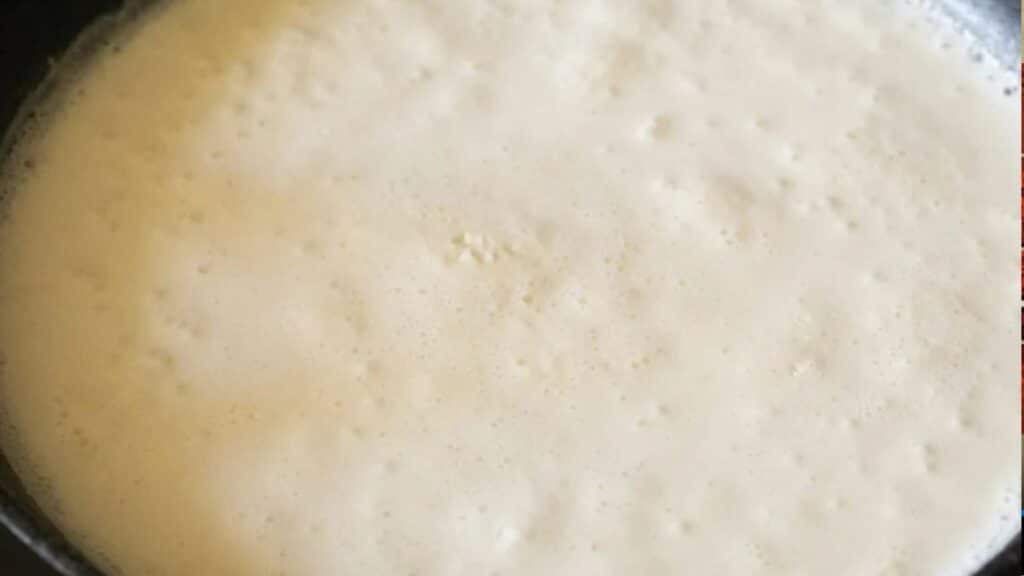
Simmer for 8 to 10 minutes on low heat, stirring continuously. You’re not trying to reduce the milk significantly—you’re allowing the chhena to absorb the milk’s flavor and become tender. The kheer should remain relatively thin at this stage; it will thicken during the 30-minute resting period after cooking.
Time: 12 minutes
Step 4: Sweeten and Flavor (Off Heat)
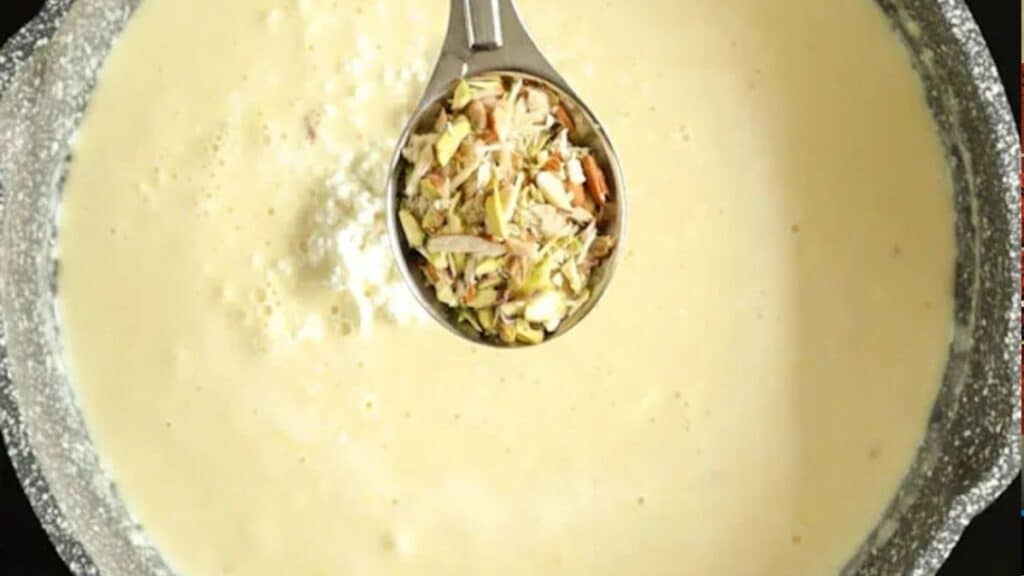
Add ½ cup of jaggery powder (or sugar) and stir until completely dissolved. The residual heat is sufficient to dissolve jaggery; you don’t need direct flame.
Time: 3 minutes
Step 5: Garnish and Rest
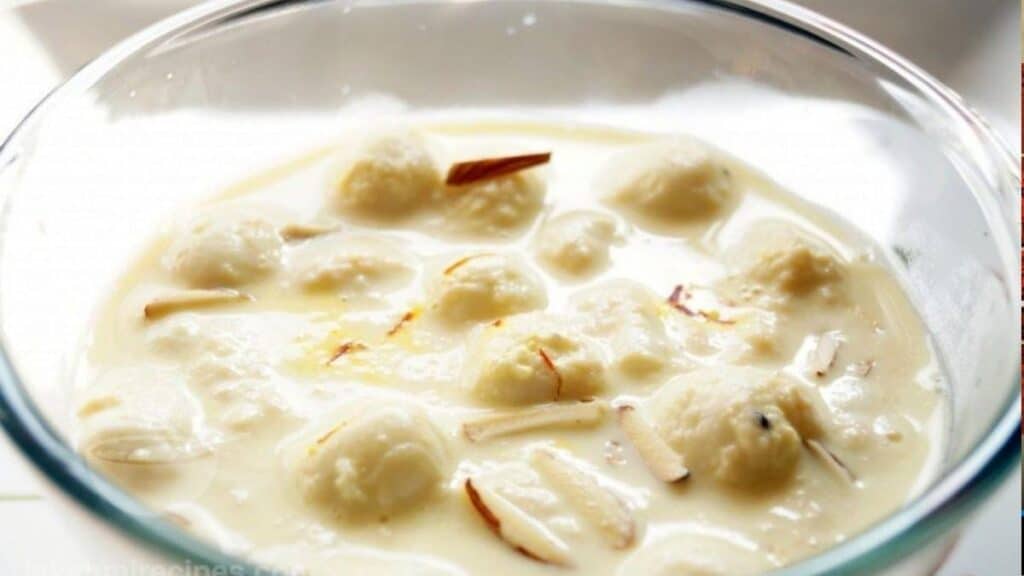
Cover and let it rest at room temperature for 30 minutes before serving. The research emphasizes that “resting 30 minutes enhances thickness and flavor development.” During this time, the chhena continues to absorb milk, the flavors meld, and the kheer thickens to its final consistency.
Time: 30 minutes resting
Total Time: About 55 Minutes (including 30 minutes resting)
Serving Suggestions
| Serve With/As | Context |
|---|---|
| Navami prasad offering | Primary ceremonial use after morning puja |
| Kanya puja distribution | Share with young girls during Kanya puja |
| Family celebration dessert | Conclude Navami lunch or dinner |
| Gift to neighbors/community | Traditional sharing during festivals |
| Alongside rajgira puri | Complete celebratory vrat thali |
| With farali misal | Balanced savory-sweet meal |
Ideal Navami Timing
- Morning: After completing Navami puja as prasad
- Midday: During or after Kanya puja ceremony
- Evening: Celebratory family meal conclusion
Make-Ahead Strategy for Navami
Prepare fresh chhena the evening before Navami. Refrigerate overnight. On Navami morning, the actual kheer preparation takes only 15 minutes of active cooking—practical when coordinating multiple ceremony preparations.
Why This Recipe Still Matters
Navami is about completion. About gratitude. About marking the end of a journey that required discipline and devotion. And the food you choose to mark that moment matters. Chhena kheer is grain-free enough to respect the vrat that technically continues through Navami ceremonies. It’s protein-rich enough to support the physical transition from fasting back to normal eating. It’s quick enough to prepare on a busy ceremonial day. And it’s beautiful enough—golden with saffron, fragrant with cardamom, studded with nuts—to serve as prasad that honors the goddess and the completion of the nine days.
So on Navami morning, make fresh chhena or buy the softest paneer you can find. Crumble it fine. Simmer it gently in full-fat milk. Remove from heat and add your jaggery. Stir in golden saffron milk and warm cardamom. Garnish with roasted nuts. Let it rest.
And when you offer it as prasad, when you share it with family, when you finally taste sweetness after eight days of savory discipline—take a moment to acknowledge what you’ve completed. The nine days. The devotion. The discipline. And this dessert, with its dual proteins and its saffron-gold color and its gentle sweetness, is exactly the right way to mark the moment.
Can I use store-bought paneer instead of fresh chhena?
You can, but the texture won’t be as good. The research states clearly: “Fresh chhena absorbs milk flavors far better than firm paneer.
Why can’t I add jaggery while the milk is still boiling?
Jaggery is naturally acidic. When acid meets hot milk, the milk proteins coagulate and the milk curdles—you’ll get unappetizing lumps instead of smooth kheer.
How fine should I crumble the chhena?
Very fine—aim for rice-grain texture or even smaller. The research emphasizes that “fine crumbling prevents lumps and ensures creamy consistency.
