


There are moments during Gudi Padwa preparation when you look at everything you’ve made—puran poli rich with ghee, ukadiche modak with its 21 pleats, kothimbir vadi crispy from frying, sakhar bhat golden with saffron—and realize what’s missing isn’t another cooked thing. What’s missing is soGudi Padwamething cold
Made by hanging full-fat curd overnight to create thick chakka, then blending it with ripe mango puree (approximately 60 percent fruit dominance), powdered sugar, saffron-soaked milk, and cardamom, amrakhand delivers cooling, probiotic-rich sweetness in just 10 minutes of active work.
Table of Contents
What Exactly Is Amrakhand?
Amrakhand (mango shrikhand) is a no-cook chilled dessert made by blending thick hung curd (chakka) with ripe mango puree, creating a smooth, creamy, spoonable sweet with approximately 60 percent fruit dominance. It’s essentially shrikhand (the classic Maharashtrian/Gujarati sweetened hung curd dessert) transformed by mango into something more vibrant, more seasonal, and cooling in a way plain shrikhand isn’t.
The texture when done correctly is thick enough to hold its shape on a spoon but smooth and creamy enough to feel luxurious on the tongue. Not runny like regular yogurt, not firm like cheese—somewhere perfectly in between. The research describes it: “Thick, smooth, spoonable.”
The flavor profile balances three elements: the natural tanginess of yogurt (moderated by hanging which removes whey), the tropical sweetness of ripe mango, and the aromatic warmth of saffron and cardamom. The research notes the flavor characteristics: “Sweet, mildly tangy, aromatic.”
Recipe Overview
| Detail | Information |
|---|---|
| Active Prep Time | 10 minutes |
| Curd Hanging Time | 8-12 hours (overnight) |
| Chilling Time | 4 hours |
| Total Time | 10 mins active + 12-16 hours passive |
| Yield | 6 servings |
| Servings | 6 people |
| Cuisine | Maharashtrian, Gujarati |
| Course | Dessert, Chilled Sweet |
| Diet | Vegetarian, Probiotic-Rich |
| Difficulty Level | Easy |
| Calories per Serving | ~220 kcal |
Ingredients List
For the Chakka (Hung Curd Base)
| Ingredient | Quantity | Notes |
|---|---|---|
| Full-fat curd (yogurt) | 1 kg | Fresh, not over-fermented |
For the Amrakhand
| Ingredient | Quantity | Notes |
|---|---|---|
| Mango puree | 2 cups (~500g pulp) | Alphonso or Banganapalli preferred |
| Powdered sugar | ½ to ¾ cup | Adjust based on mango sweetness |
| Saffron strands | 12-15 strands | Soaked in warm milk |
| Warm milk | 2 tablespoons | For soaking saffron |
| Cardamom powder | ¼ teaspoon | Freshly ground preferred |
| Chopped pistachios | 2 tablespoons | For folding in and garnish |
| Chopped almonds | 1 tablespoon | For folding in and garnish |
Why Amrakhand Is Perfect for Gudi Padwa
Gudi Padwa falls on March 29, 2026—right at the peak of mango season in India. This timing isn’t coincidental; it makes amrakhand both seasonally appropriate and functionally valuable for the festive thali.
Cooling contrast to heavy sweets. The research emphasizes this functional role: “Amrakhand is a no-cook, probiotic-rich festive dessert that balances heavy sweets like puran poli and ukadiche modak with cooling mango-yogurt freshness.” After rich, ghee-laden puran poli and dense steamed modak, something cold and tangy-sweet provides palate relief.
Digestive support through probiotics. The research notes: “Probiotic content from yogurt”—meaning the live cultures in the hung curd support digestion during a period of rich, heavy eating. This isn’t just taste; it’s functional digestive aid.
Protein in a festival dessert. The approximately 12 grams of protein per serving from hung curd makes amrakhand more nutritionally substantial than most festival sweets. The research emphasizes this: “Hung curd is high in protein (~12g per serving).”
No-cook convenience. The research states the practical advantage: “Because it requires no cooking, amrakhand reduces kitchen workload on festival mornings while delivering premium flavor.” The 10 minutes of active work (plus passive hanging and chilling time) makes it realistic for busy festival preparation.
Cultural preference during mango season. The research documents: “70% of urban Marathi households reportedly prefer amrakhand over plain shrikhand during mango season”—suggesting this isn’t just tradition but active preference driven by seasonal availability of excellent mangoes.
Presentation elegance. The research notes serving contexts: “Urban Maharashtrian homes serve it chilled in layered dessert glasses”—meaning amrakhand presents beautifully, making it appropriate for both family meals and guest entertainment.
CHECK MORE ON:Sandesh Recipe: No-Cook Sweet That’s Ready in 10 Minutes
The Critical Technique: Proper Curd Hanging for Perfect Thickness
Before we get into the step-by-step, let’s establish the single most important factor that determines whether your amrakhand succeeds or fails: proper curd hanging to create thick chakka.
The research is clear about the process: “Place curd in muslin cloth over sieve. Hang 8–12 hours in refrigerator. Approximately 600 ml whey drains out.”
Here’s what’s happening: Regular curd (yogurt) contains significant liquid whey. When you hang it in muslin cloth, gravity pulls that whey out through the cloth, leaving behind thick, concentrated curd solids (chakka). The longer you hang, the thicker the chakka becomes.
The 8-12 hour hanging time is not optional—it’s the foundation of proper texture. The research notes that “approximately 600 ml whey drains out” from 1 kg of curd. That’s more than half the volume! If you don’t hang long enough, you retain too much whey and your amrakhand will be runny.
The research addresses this directly in troubleshooting: “Runny consistency? Hang curd longer or reduce mango quantity.” If your amrakhand is too thin, it means either insufficient hanging or too much mango puree relative to chakka.
Step-by-Step Instructions: Making Perfect Amrakhand
Step 1: Hang the Curd (Night Before)
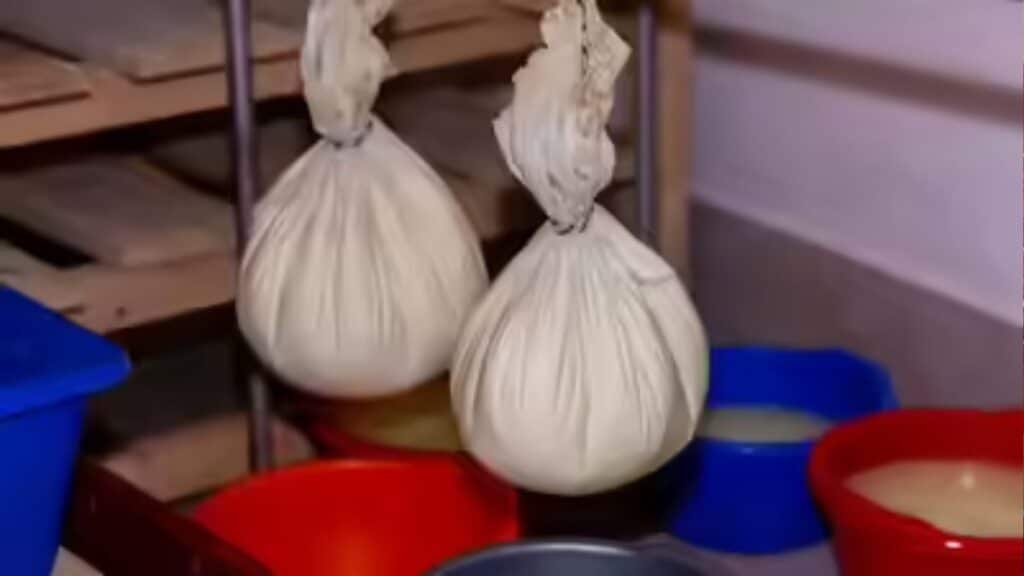
Line a fine-mesh sieve with clean muslin cloth (or several layers of cheesecloth). Place the sieve over a deep bowl to collect draining whey.
Time: 8-12 hours (overnight, passive)
Step 2: Prepare the Chakka
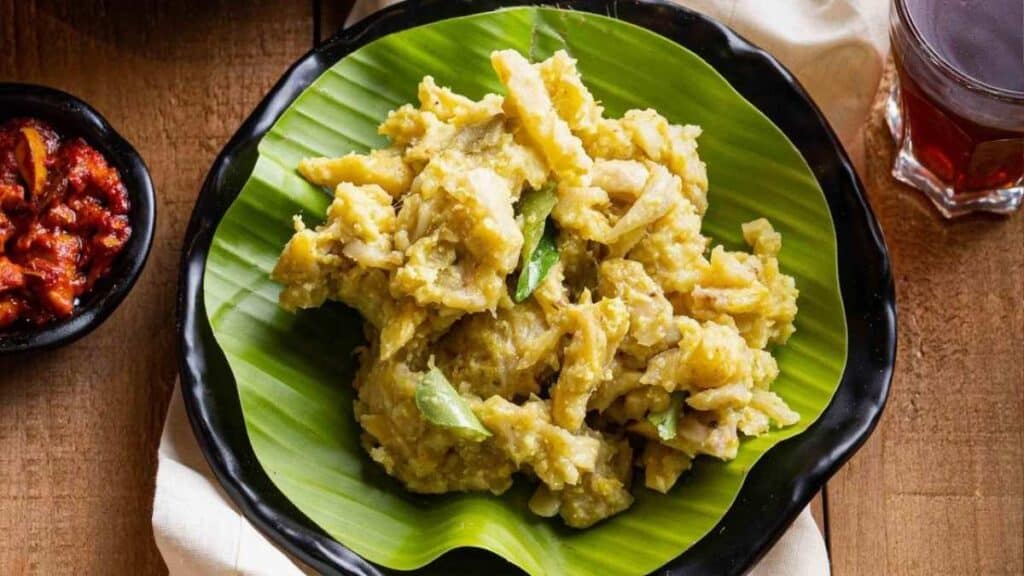
After hanging, you should have approximately 400-450g of thick chakka (hung curd). Transfer this to a large mixing bowl.
This whisking is important—it breaks down any remaining lumps and incorporates air, making the chakka lighter and creamier.
Time: 3 minutes
Step 3: Prepare the Mango Puree

Peel ripe Alphonso or Banganapalli mangoes and remove the pulp. You need approximately 500g of mango pulp to make 2 cups of puree.
Blend the pulp until completely smooth.
Time: 5 minutes
Step 4: Soak the Saffron
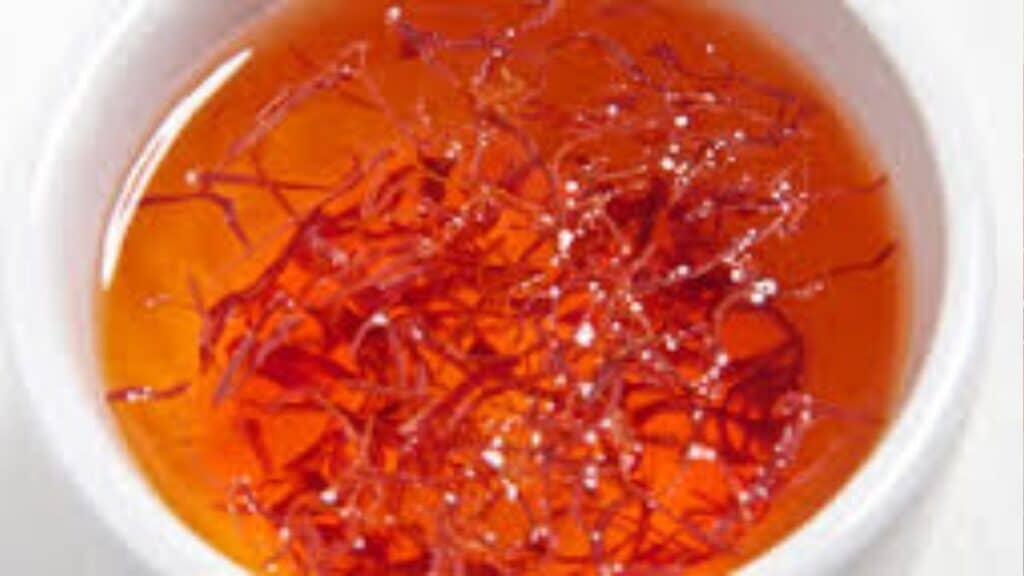
In a small bowl, heat 2 tablespoons of milk until warm (not boiling). Add 12-15 saffron strands and let soak for 10 minutes.
The research quotes: “Saffron milk soak unlocks jewel tones.” The saffron will release its golden color and aromatic compounds into the warm milk, which will then color and flavor the entire amrakhand.
Time: 10 minutes (passive)
Step 5: Blend the Amrakhand
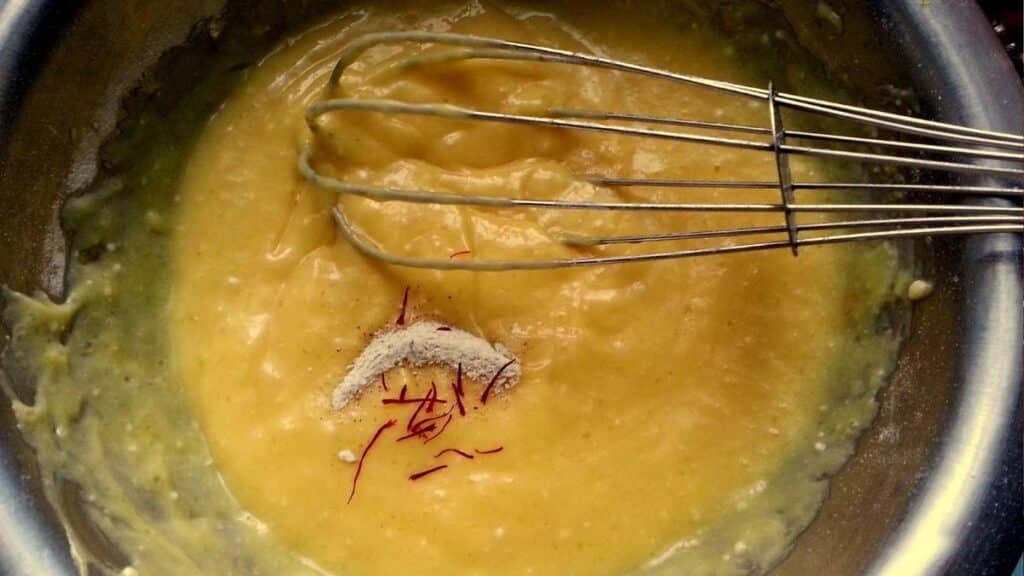
½ to ¾ cup powdered sugar (start with ½ cup, taste, adjust—depends on mango sweetness)
The saffron-soaked milk
Time: 5 minutes
Step 6: Chill Thoroughly
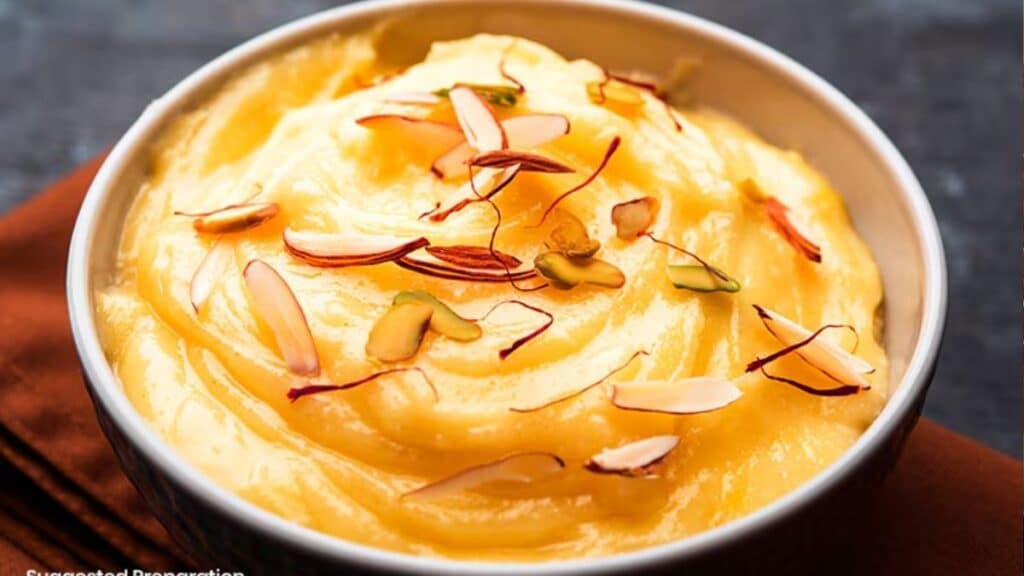
Transfer the amrakhand to serving bowls or one large serving dish. Cover with plastic wrap touching the surface (prevents skin formation) and refrigerate for at least 4 hours.
The research specifies: “Refrigerate for 4 hours before serving.” This chilling time allows flavors to meld and the amrakhand to firm up to its final spoonable consistency.
Time: 4 hours (passive)
Total Active Time: 10 Minutes (plus overnight hanging and 4 hours chilling)
The research provides traditional context: “Gujarat weddings commonly serve pooris with amrakhand” and “Urban Maharashtrian homes serve it chilled in layered dessert glasses.”
Storage and Make-Ahead Tips
| Component | Storage Method | Duration | Notes |
|---|---|---|---|
| Completed amrakhand | Refrigerate covered | 2-3 days | Flavors deepen; stays thick |
| Hung curd (chakka) | Refrigerate | 3-4 days | Make ahead; blend fresh |
| Mango puree | Refrigerate or freeze | 3 days refrigerated; 1 month frozen | Thaw before use |
Make-Ahead Strategy for Gudi Padwa
2 Days Before:
- Hang curd overnight to make chakka
- Prepare and strain mango puree
Day Before (March 28):
- Blend amrakhand
- Refrigerate overnight
Festival Day (March 29):
- Garnish and serve chilled
- Flavors will have melded perfectly
The research notes an advantage: “Glass serving bowls preserve flavor better than metal”—meaning if storing, use glass or ceramic containers.
Why This Recipe Still Matters
In the landscape of Gudi Padwa celebrations, amrakhand occupies a uniquely valuable position: it’s the cooling, no-cook element that provides relief and balance without demanding kitchen time on a busy festival morning. The research documents that mango dessert searches reportedly spike approximately 75 percent during festivals—evidence of genuine need for exactly what amrakhand provides.
What makes amrakhand particularly meaningful is how it combines practical convenience with genuine quality. The research emphasizes: “Because it requires no cooking, amrakhand reduces kitchen workload on festival mornings while delivering premium flavor.” Just 10 minutes of active work (whisking chakka, straining mango, blending) produces a dessert worthy of celebration.
The nutritional profile adds substance to this convenience. With approximately 12 grams of protein per serving from hung curd, probiotic support from live yogurt cultures, and approximately 30 percent daily value of calcium, amrakhand is one of the few festival desserts that delivers genuine nourishment alongside taste.
The cooling nature is functionally important. The research states: “It provides digestive balance and cooling contrast in a rich festive thali.” After ghee-heavy puran poli, dense steamed modak, and fried vadi, something cold and tangy-sweet isn’t just pleasant—it’s digestively helpful.
Why is my amrakhand runny instead of thick?
The research addresses this directly: “Runny consistency? Hang curd longer or reduce mango quantity.”
My amrakhand tastes too sour. What went wrong?
The research provides the answer: “Sour taste? Use freshly set curd; avoid over-fermented yogurt.”
Why is my amrakhand grainy instead of smooth?
The research identifies the cause: “Grainy texture? Use powdered sugar, not granulated.” Granulated sugar doesn’t dissolve completely into thick chakka, leaving gritty texture.
