


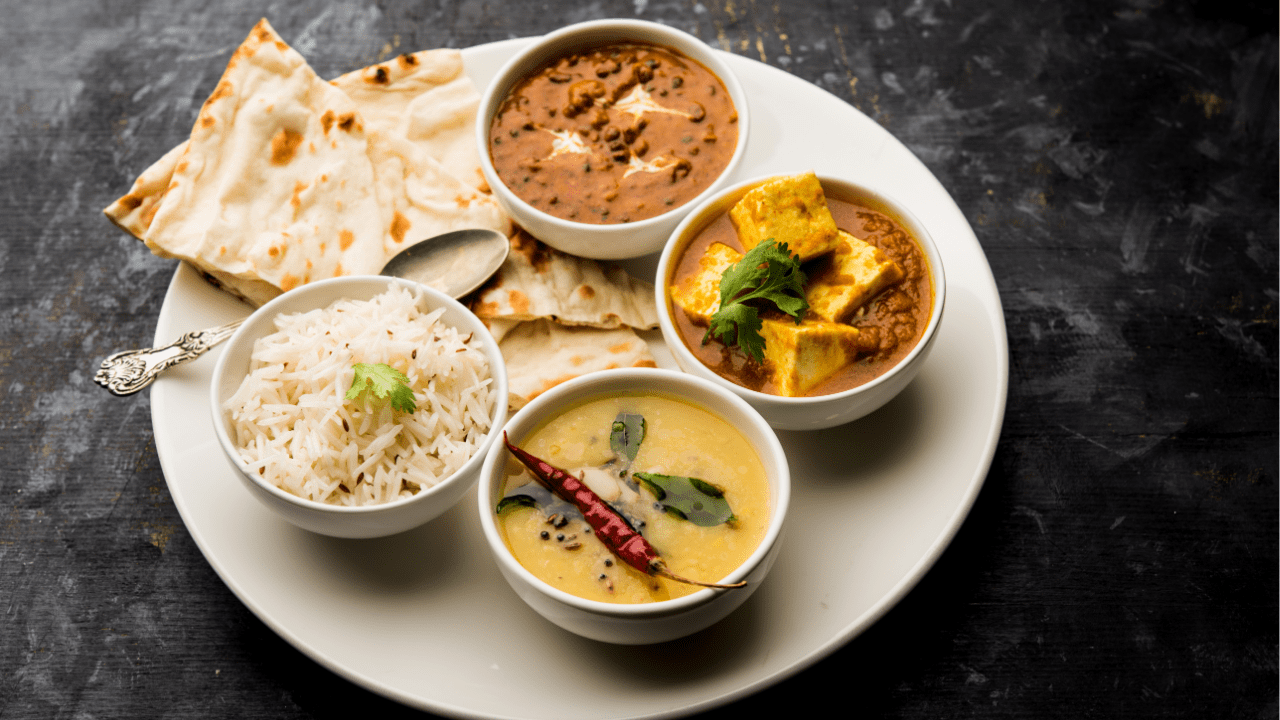
When people think of Indian food, images of fiery curries drenched in oil often come to mind. While spices and rich flavors are certainly a hallmark of Indian cuisine, the blanket assumption that all Indian food is overly spicy or oily is far from accurate. In reality, Indian food is incredibly diverse, balanced, and offers something for every palate—whether you love bold flavors or prefer something mild and comforting.
In this Article
Understanding “Spicy” in Indian Cuisine
Let’s start by addressing the most common myth: “Indian food is always spicy.”
In Indian cooking, “spicy” doesn’t necessarily mean hot. It often refers to the use of aromatic spices like cumin, coriander, turmeric, cinnamon, and cardamom. These spices are used for flavor and health benefits, not just for heat.
For instance:
- Dal Tadka (lentil soup) is mildly spiced and gentle on the stomach.
- Saag Paneer is earthy, creamy, and not hot.
- Even Butter Chicken, one of the most popular Indian dishes globally, is more buttery and mildly sweet than spicy.
Regions like Gujarat, Bengal, and Kashmir are known for dishes that are mild, sweet, or tangy, rather than hot. So, the heat level really depends on where the dish originates and the cook’s preferences.
Is Indian Food Really That Oily?
Another widespread belief is that Indian food is dripping in oil or ghee. This is partly true for celebratory or restaurant-style dishes that are meant to be indulgent. However, everyday Indian meals are often simple and light.
Examples of low-oil Indian dishes:
- Khichdi – A wholesome mix of rice and lentils.
- Upma – A savory South Indian semolina dish.
- Raita – A yogurt-based side, often paired with meals for cooling balance.
In Indian homes, cooking methods vary widely:
- Some dishes are sautéed with just a teaspoon of oil.
- Others may use mustard oil, coconut oil, or peanut oil depending on the region.
- In South India, coconut oil is preferred for its aroma and health benefits.
- In the North, ghee is used sparingly for its rich taste.
In modern kitchens, health-conscious cooking has led to reduced oil usage and the adoption of air-frying, steaming, and pressure cooking.
Regional Diversity: A Culinary Treasure
India is a vast country with hundreds of regional cuisines, each with its own cooking style, ingredients, and traditions. The cuisine of Kerala with its use of coconut milk and curry leaves is very different from the cuisine of Punjab, which is known for creamy gravies and tandoori dishes.
From coastal seafood curries to mountain vegetable stews, the variety is endless—and so is the range of spice and oil levels.
Vegetarian? Non-Vegetarian? There’s Something for Everyone
Another misconception is that Indian food is only vegetarian. While India is known for its rich variety of vegetarian dishes due to religious and cultural influences, non-vegetarian cuisine is equally prominent in many regions.
For example:
- Rogan Josh from Kashmir is a rich mutton curry.
- Goan Fish Curry is coconut-based and mildly spiced.
- Chicken Chettinad from Tamil Nadu is bold and peppery.
Whether you’re a vegan, vegetarian, or meat lover, Indian cuisine has delicious choices for you.
Indian Food Is More Than Just Curries
Indian cuisine goes far beyond curries. It includes:
- Flatbreads like roti, naan, paratha
- Snacks like samosas, pakoras, and chaats
- Rice dishes like biryani, pulao, and lemon rice
- Sweets like gulab jamun, rasgulla, and jalebi
- Fermented foods, pickles, chutneys, and beverages like lassi and masala chai
These dishes offer a diverse flavor profile—sweet, tangy, earthy, bitter, and umami—all within a single meal.
Don’t Judge a Cuisine by Stereotypes
Indian food is not a monolith. It is a celebration of regional diversity, historical influences, and cultural traditions. While it can be spicy and rich, it can also be light, nutritious, and perfectly suited to those with milder tastes.
So, the next time someone says “Indian food is too spicy” or “too oily,” invite them to try a homemade dal or poha—and watch that myth melt away with the first bite.
For more wholesome and healthy Indian food inspiration, check out our curated collection of healthy Indian recipes on Indian.Community.
