


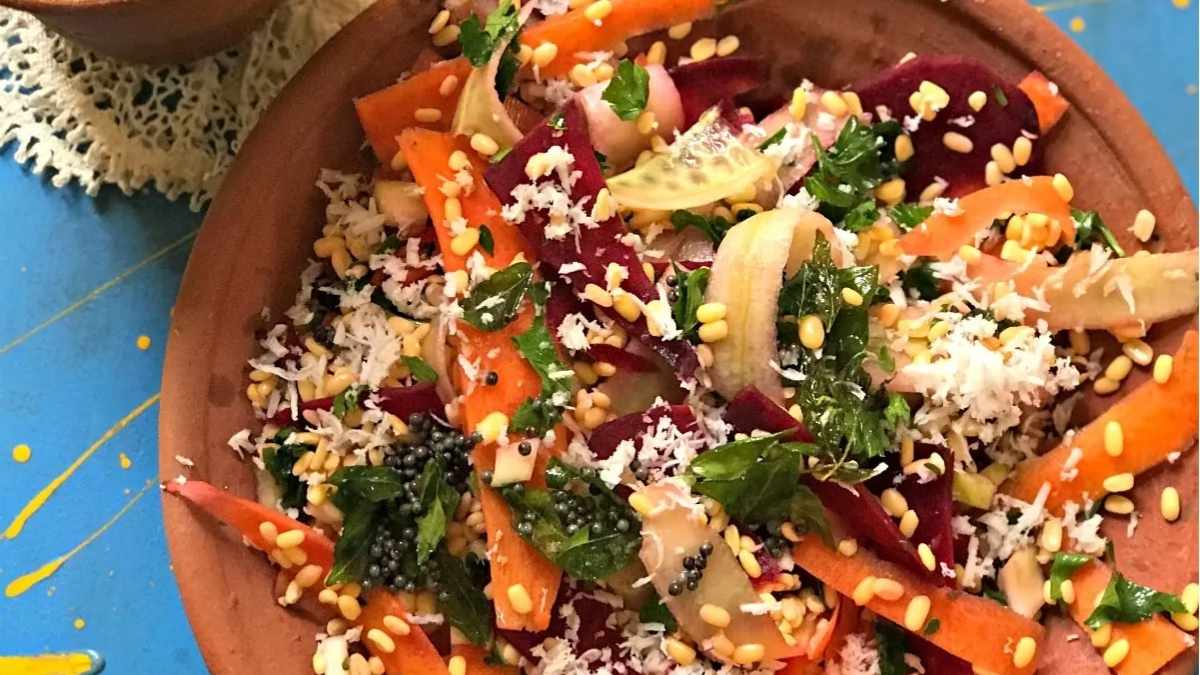
When Mahashivratri fasting calls for something light, cooling, and nutritionally complete, kosambari delivers exactly what your body needs. This traditional South Indian lentil salad combines soaked moong dal with crisp vegetables, fresh coconut, and a fragrant tempering, creating a dish that’s both spiritually appropriate and deeply satisfying. Whether you’re offering it as naivedyam to Lord Shiva or serving it to break your fast, kosambari brings together protein, fiber, vitamins, and minerals in every refreshing bite.
Quick Summary:
Kosambari is a traditional South Indian lentil salad made with soaked moong dal, cucumber, carrot, coconut, and lemon juice with a light tempering. This protein-rich, no-cook Mahashivratri recipe takes just 15 minutes of active preparation (plus 1-4 hours soaking time) and serves 4-6 people as a refreshing, digestive-friendly prasad.
Table of Contents
Why Kosambari Is the Perfect Mahashivratri Prasad
Kosambari holds a special place in South Indian festival traditions, particularly during Mahashivratri when devotees seek foods that nourish without feeling heavy. Unlike rich, fried foods that can make you sluggish during long hours of prayer and meditation, this lentil salad provides clean energy that supports both physical stamina and mental clarity.
The beauty of kosambari lies in its simplicity and balance. The soaked moong dal offers easily digestible protein without requiring cooking, which some fasting traditions prefer to avoid. The raw vegetables contribute enzymes, fiber, and water content that keep you hydrated—crucial during fasting when you might not be drinking as regularly as usual. The coconut adds healthy fats and a subtle sweetness that satisfies without sugar, while the lemon juice provides vitamin C and helps your body absorb the iron and other minerals from the lentils and vegetables.
For diaspora families observing Mahashivratri abroad, kosambari represents a taste of tradition that’s also remarkably practical. The ingredients are simple and increasingly available in international groceries. The preparation requires no special equipment or advanced cooking skills. Most importantly, it can be made ahead and actually tastes better after sitting for an hour, allowing the flavors to meld and develop complexity.
The cooling properties attributed to this dish in Ayurvedic tradition make it especially appropriate for Mahashivratri, which typically falls during the transition from winter to spring. Your body is adapting to seasonal changes, and foods like kosambari support that transition without creating digestive stress or excessive internal heat.
Understanding the Key Ingredients in Kosambari
Yellow Moong Dal: The Protein Foundation
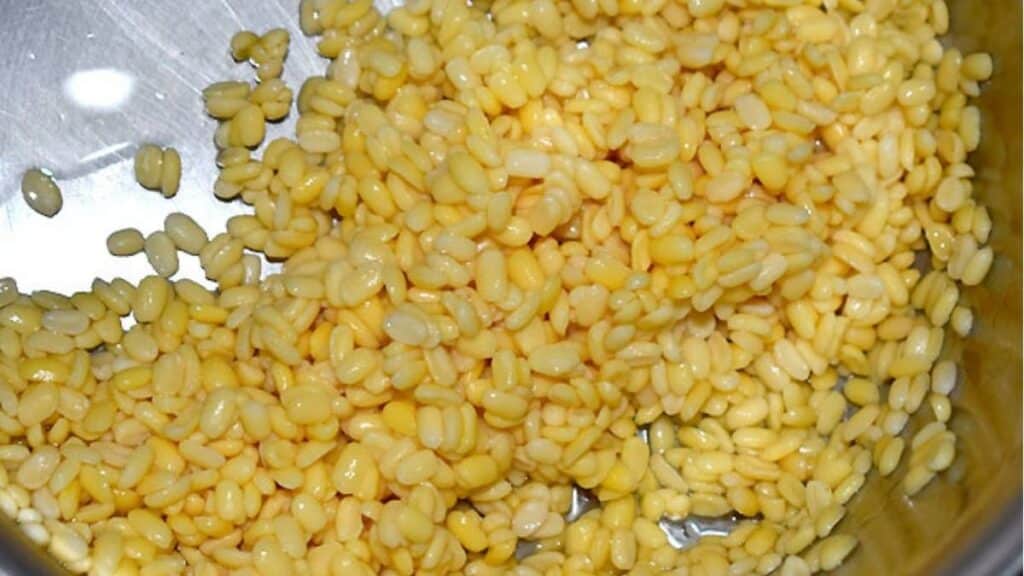
Yellow moong dal (split and skinned mung beans) forms the heart of kosambari, providing substantial protein in a form that’s remarkably easy to digest even when consumed raw after soaking. Unlike whole beans that require thorough cooking, split moong dal becomes tender and pleasant to eat after just a few hours in water.
Fresh Coconut: Healthy Fats and Traditional Flavor
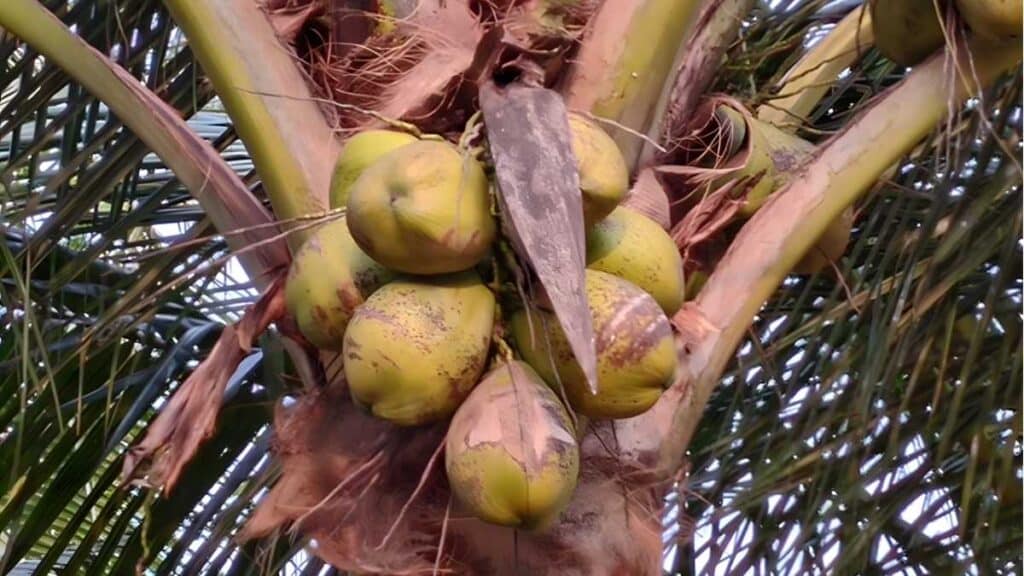
Fresh grated coconut transforms kosambari from simple lentil salad into something special. The sweet, nutty flavor and slightly chewy texture add richness without heaviness, while the healthy fats help your body absorb fat-soluble vitamins from the vegetables and lentils.
Cucumber and Carrot: Cooling Crunch and Color
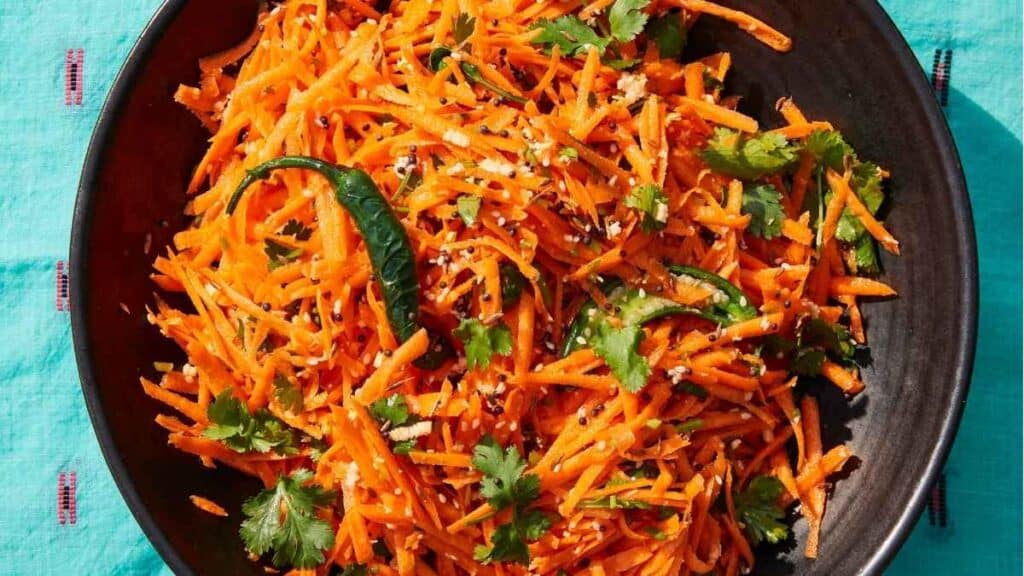
Fresh cucumber brings essential hydration and cooling properties to kosambari. Composed of about 95% water, cucumber adds volume and refreshment without calories, helping you feel satisfied during fasting when heavy foods aren’t appropriate.
The Aromatic Tempering: Bringing Everything Together
The tadka (tempering) might seem like a small component, but it elevates kosambari from raw salad to intentional dish with depth and complexity. Heating mustard seeds until they pop releases their pungent, slightly bitter essential oils. Curry leaves contribute their distinctive aromatic qualities—slightly citrusy, herbaceous, and uniquely South Indian. The hing (asafoetida) adds a savory, umami-like depth that makes the entire salad more satisfying.
This tempering serves practical purposes beyond flavor. Mustard seeds aid digestion and are believed to have anti-inflammatory properties. Curry leaves provide iron, calcium, and antioxidants. Hing is renowned in Ayurvedic tradition for preventing gas and bloating, making it particularly valuable when consuming raw lentils and raw vegetables that might otherwise cause digestive discomfort.
The brief frying process makes these aromatics’ beneficial compounds more bioavailable while creating flavor complexity through the Maillard reaction and caramelization of natural sugars in the spices. The hot oil carries these concentrated flavors throughout the kosambari when you pour it over, ensuring every bite tastes seasoned rather than having pockets of bland dal and overly spiced areas.
Kosambari Recipe Ingredients
For the Lentil Salad Base:
- 1/2 cup yellow moong dal (split and skinned mung beans)
- 1 medium cucumber (finely chopped, about 1 cup)
- 1/2 cup carrot (grated)
- 1/2 cup fresh coconut (grated)
- 1-2 green chilies (finely chopped)
- 2 tablespoons fresh coriander leaves (chopped)
- 1 tablespoon fresh lemon juice
- Salt to taste
For the Tempering (Tadka):
- 1 teaspoon oil (coconut, peanut, or any neutral oil)
- 1/2 teaspoon mustard seeds
- 6-8 fresh curry leaves
- 1/8 teaspoon hing (asafoetida)
- 1 dried red chili (broken into pieces)
Optional Additions:
- 2 tablespoons roasted peanuts (for extra crunch and protein)
- 1/4 cup pomegranate arils (for sweet-tart burst)
- 1 tablespoon fresh mint leaves (for additional cooling)
Step-by-Step Instructions for Perfect Kosambari
Stage 1: Preparing the Moong Dal
Rinse the Dal (Cleaning): Measure 1/2 cup of yellow moong dal and place it in a fine-mesh strainer or bowl. Rinse thoroughly under running water, swishing with your fingers to remove any dust, debris, or surface starches. The water should run relatively clear after 2-3 rinses. This cleaning step ensures your kosambari doesn’t have any gritty texture or off flavors from storage.
Soak the Dal (Hydration and Softening): Transfer the rinsed dal to a clean bowl and add enough cool water to cover it by at least 2 inches. The dal will expand significantly as it absorbs water, so ensure you use a bowl large enough to accommodate this growth. Soak for a minimum of 1 hour if you’re short on time, though 3-4 hours produces better texture and digestibility. The dal is ready when each split bean feels tender when you bite it but still has slight firmness—not mushy or mealy, but pleasant to chew.
Stage 2: Preparing the Vegetables and Mix-ins
Chop the Cucumber (Dicing): Wash the cucumber thoroughly. If using an organic cucumber with tender skin, you can leave the peel on for added nutrition and color. Otherwise, peel it partially or completely based on preference. Cut the cucumber in half lengthwise. If the seeds are large and watery (common in larger cucumbers), scoop them out with a spoon—they can make your kosambari too wet. Dice the cucumber into small, uniform pieces about 1/4 inch in size. The small dice ensures even distribution throughout the salad and makes it easier to eat.
Grate the Carrot (Shredding): Peel the carrot and cut off the ends. Using the large holes of a box grater, grate about 1/2 cup of carrot. Grate over a bowl to catch all the pieces including any juice, which contains nutrients you don’t want to waste. If you prefer finer texture, use the smaller holes of the grater, though this can sometimes make the carrot release too much moisture. The grated carrot should be fluffy and light, not compacted.
Stage 3: Creating the Tempering
Heat the Oil (Oil Preparation): Place a small tadka pan or the smallest pan you have over medium heat. Add 1 teaspoon of oil—coconut oil is traditional and adds flavor, but any neutral oil works. Let the oil heat until it shimmers but doesn’t smoke, about 30-45 seconds. To test readiness, drop a single mustard seed into the oil; if it immediately sizzles and pops, the oil is ready for tempering.
Add Mustard Seeds (Popping and Crackling): Add 1/2 teaspoon of mustard seeds to the hot oil. They should immediately begin sizzling and will start popping within 3-5 seconds. Let them pop enthusiastically for about 10-15 seconds until the popping slows down and most seeds have burst. This popping releases the mustard’s pungent essential oils and creates nutty, complex flavor. Be careful as the seeds can jump out of the pan—you might want to have a splatter screen handy or partially cover the pan.
Stage 4: Assembling the Kosambari
Combine Dry Ingredients (Initial Mixing): In a large mixing bowl, combine the thoroughly drained moong dal, chopped cucumber, grated carrot, grated coconut, chopped green chilies, chopped coriander leaves, and any optional additions like peanuts or mint. Use a large spoon or your clean hands to toss everything together gently but thoroughly, ensuring even distribution of all ingredients. You want each serving to have a bit of everything rather than pockets of just dal or just vegetables.
Add Hot Tempering (Flavor Integration): Pour the hot tempering—oil, mustard seeds, curry leaves, hing, and red chili—directly over the mixed salad ingredients. Immediately toss everything together while the oil is still hot, as the heat helps the flavors penetrate into the dal and vegetables. The hot oil will wilt the coriander leaves slightly and release more of the coconut’s aroma. Mix thoroughly to ensure the tempering distributes evenly throughout rather than pooling at the bottom of the bowl.
CHECK MORE ON:Dry Kala Chana Recipe (Sukha Kale Chane): Authentic Navratri Ashtami Prasad for Your Festive Table
Nutritional Benefits of Kosambari for Fasting
Understanding kosambari’s nutritional profile helps you appreciate why this dish sustains you so effectively through fasting periods. Each serving (approximately 1 cup) provides roughly 120-140 calories, primarily from the moong dal and coconut. This moderate calorie density means you can eat a satisfying portion without consuming excessive energy, leaving room for other prasad and fasting foods throughout the day.
The protein content is impressive for a plant-based dish. With approximately 6-8 grams of protein per serving from the moong dal, plus smaller amounts from coconut and any added peanuts, kosambari provides substantial protein to maintain muscle tissue and support satiety during reduced eating. The protein quality improves when you combine the dal with coconut and peanuts, as their amino acid profiles complement each other.
The fiber content supports digestive health and blood sugar regulation. Between the dal, vegetables, and coconut, each serving provides 4-6 grams of dietary fiber—significant when you’re eating less frequently and your digestive system needs support maintaining regularity. The fiber also slows carbohydrate absorption, preventing the blood sugar spikes and crashes that can make fasting uncomfortable.
Tips for Making the Best Kosambari
Soak Dal for Optimal Texture: While you can get away with just 1 hour of soaking, 3-4 hours produces the best results. The dal becomes tender enough to be pleasant to chew but retains slight firmness that provides satisfying texture. Longer soaking (up to 8 hours) makes the dal even more digestible and slightly sweeter as more starches convert to simple sugars.
Control Moisture for Better Consistency: The biggest challenge with kosambari is preventing it from becoming watery. Remove cucumber seeds if they’re large and wet. Drain the soaked dal thoroughly and even pat it dry if needed. Add salt and lemon juice just before serving rather than hours ahead. If the salad does become watery after sitting, simply drain the excess liquid before serving—the flavors will still be delicious.
Temperature Matters for Serving: Kosambari truly tastes best when served cold or cool. The refreshing, cooling quality that makes it perfect for fasting is most pronounced when the salad has been refrigerated. Plan to make it at least 30 minutes before serving so it has time to chill properly and develop flavor.
Fresh Ingredients Make the Difference: Use the freshest vegetables, coconut, and herbs you can find. Wilted coriander, old carrots, or stale coconut will significantly diminish the dish’s appeal. The beauty of kosambari is its fresh, clean flavor—compromising on ingredient quality undermines that entirely.
CHECK MORE ON:Dry Kala Chana Recipe (Sukha Kale Chane): Authentic Navratri Ashtami Prasad for Your Festive Table
Variations to Try After Mastering the Basic Recipe
Chana Dal Kosambari: Replace the moong dal with split Bengal gram (chana dal) for a firmer texture and nuttier flavor. Chana dal requires longer soaking—at least 4-6 hours—since it’s denser than moong dal. The resulting kosambari has more bite and a slightly earthier taste that some people prefer.
Pomegranate Kosambari: Add 1/4 to 1/2 cup of fresh pomegranate arils for bursts of sweet-tart flavor and beautiful ruby-red color. The pomegranate seeds also provide antioxidants and create interesting textural contrast with the softer dal and vegetables.
Peanut-Enhanced Version: Increase the roasted peanuts to 1/4 cup and roughly crush them before adding to provide extra protein, healthy fats, and satisfying crunch. This version is more substantial and can serve as a light meal rather than just a side dish.
Herbal Kosambari: Add fresh mint leaves along with coriander for additional cooling properties. Include curry leaves not just in the tempering but also chopped fresh into the salad itself for more pronounced South Indian flavor.
