


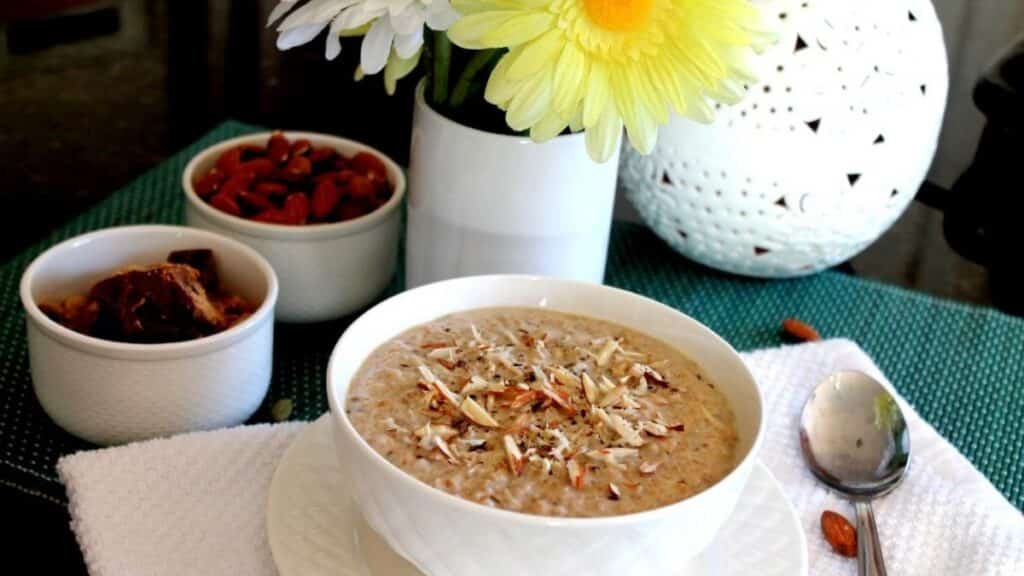
Meetha daliya, also known as daliya kheer, represents the perfect marriage of nutrition and indulgence—a sweet broken wheat pudding that works equally well as a wholesome breakfast or a guilt-free dessert. This North Indian comfort food transforms simple cracked wheat into a creamy, aromatic dish that satisfies sweet cravings while delivering genuine nutritional benefits, making it a favorite in households where eating well doesn’t mean sacrificing flavor.
Quick Summaary:
Meetha daliya is a sweet Indian pudding made by cooking roasted broken wheat in milk with sugar, cardamom, and nuts. Ready in 25 minutes using an Instant Pot or stovetop, this recipe delivers a creamy, nutritious dish with approximately 179 calories per serving that works for breakfast, dessert, or festive occasions.
Table of Contents
What Makes Meetha Daliya Special in Indian Cuisine
Daliya, made from whole wheat kernels broken into smaller pieces, has been a staple in Indian kitchens for generations, particularly across North Indian states like Punjab, Haryana, and Uttar Pradesh. The grain’s versatility allows it to swing between savory preparations for main meals and sweet versions like this kheer that bridge the gap between dessert and nourishment.
What distinguishes meetha daliya from other Indian sweet dishes is its nutritional profile. While most traditional Indian desserts rely heavily on refined flour, sugar, and ghee with minimal nutritional return, daliya brings whole grain benefits—fiber, protein, and complex carbohydrates—that make this treat genuinely sustaining rather than just a sugar rush followed by a crash.
The texture is where meetha daliya really shines. When properly prepared, each piece of broken wheat becomes tender yet maintains slight bite, suspended in creamy milk that’s been infused with cardamom’s floral warmth and enriched with nuts that provide textural contrast. It’s comfort food that feels special enough for festivals yet simple enough for weekday breakfast.
Traditionally, meetha daliya appears during winter months when warming, substantial foods become particularly appealing. Families prepare it for religious occasions, serve it to guests as a welcoming gesture, or make large batches for community gatherings. The dish’s ability to be served warm or chilled extends its versatility across seasons and occasions.
Essential Ingredients for Perfect Meetha Daliya
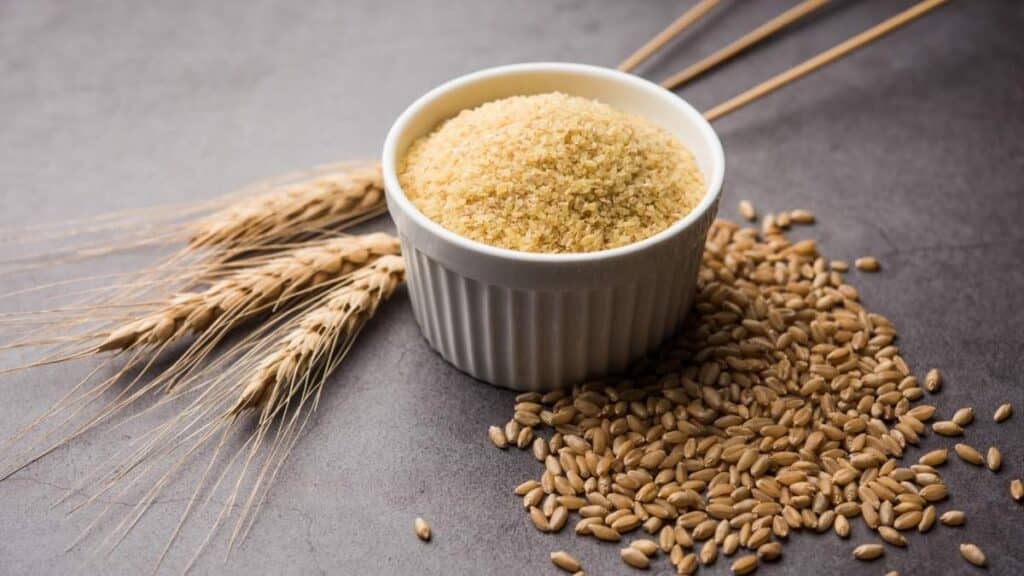
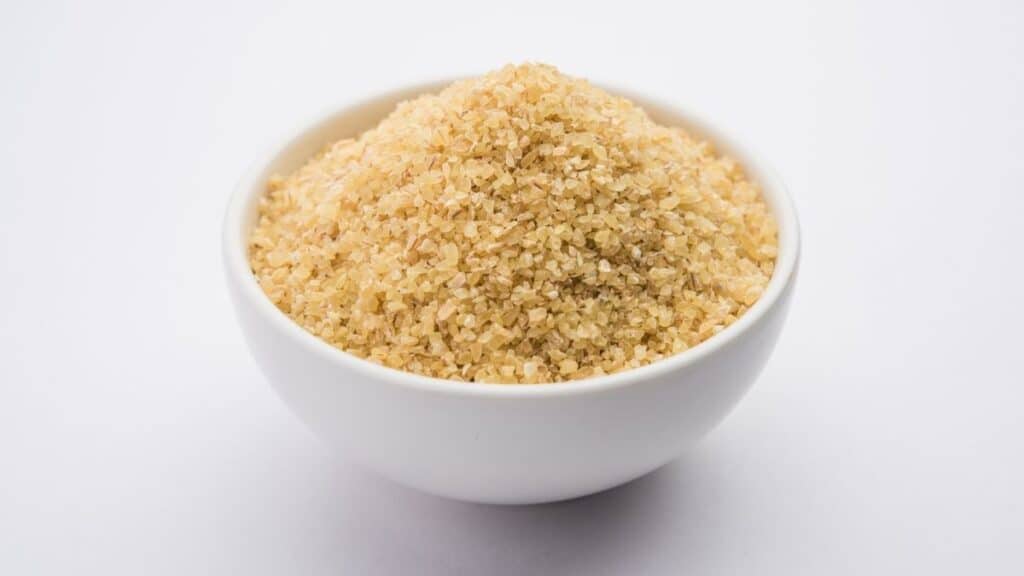
The wheat matters more than you might think. Look for broken wheat that’s been cracked into relatively uniform pieces—too fine and it becomes mushy, too coarse and you’ll have uneven cooking with some pieces remaining hard while others turn soft. Most Indian grocery stores stock daliya in various grades; medium grade works best for this sweet preparation, offering good texture without excessive cooking time.
Milk provides the creamy base that transforms roasted wheat into pudding. The recipe calls for 2½ cups plus 1 additional cup of almond milk, though this can be adjusted based on how thick or thin you prefer your kheer. Almond milk brings its own subtle nutty sweetness that complements the dish beautifully, but traditional whole dairy milk works equally well and creates an even richer result. For those seeking middle ground, a combination of both delivers excellent flavor and texture.
Sweetener choice affects both taste and nutrition. The recipe specifies ¼ cup plus 2 tablespoons of sugar, which provides moderate sweetness without overwhelming the wheat’s natural flavor. However, this is highly adjustable to personal preference—some families prefer their meetha daliya quite sweet, others appreciate more restrained sugar that lets other flavors shine. You can also substitute jaggery for caramelized depth, or use alternatives like coconut sugar or even dates for natural sweetness.
Fat for roasting comes from either one tablespoon of coconut oil or ghee. This isn’t optional—properly roasting the daliya in fat before adding liquid is absolutely crucial to developing the dish’s nutty, toasted flavor foundation. Ghee provides traditional richness and aroma, while coconut oil offers a lighter, subtly different flavor profile that works beautifully if you’re avoiding dairy.
Garnishing ingredients include sliced pistachios, saffron strands, and a few cardamom pods. These aren’t strictly necessary for flavor but transform the visual presentation from humble to elegant, making meetha daliya worthy of serving to guests or during celebrations.
Step-by-Step Instant Pot Meetha Daliya Method
The Instant Pot has revolutionized how many home cooks approach traditional recipes, and meetha daliya benefits tremendously from pressure cooking’s ability to achieve perfect texture with minimal attention. The method breaks down into clear stages that build flavor progressively.
Begin with the crucial roasting step by setting your Instant Pot to sauté mode and adding the tablespoon of coconut oil or ghee. Once the fat melts and the pot is hot, add your cup of cracked wheat. This roasting phase takes about 2-3 minutes of active stirring, during which the wheat transforms from pale and raw to lightly golden and aromatic. You’ll smell the difference—a nutty, toasted fragrance that signals the wheat has developed the flavor foundation everything else builds on.
Layer in the liquid and aromatics once roasting is complete. Pour in the 2½ cups of almond milk, add your crushed green cardamom, and stir in the mixed nuts and raisins. The dried fruits will plump up during cooking, and the nuts will soften slightly while adding their flavors to the milk base. Mix in your sugar at this point, stirring to help it dissolve into the liquid.
The beauty of almond milk in this application is its naturally creamy texture and subtle sweetness that complements rather than competes with other flavors. It also keeps the dish lighter than full-fat dairy while still achieving that characteristic kheer richness. If you’re using regular milk, the process remains identical.
Pressure cooking delivers perfect texture without constant monitoring. Close and seal your Instant Pot lid, cancel the sauté function, and set it to manual or pressure cook mode on HIGH for 10 minutes. This relatively short cooking time is sufficient because the broken wheat pieces are small and the pressure environment cooks them efficiently and evenly.
Once the cooking cycle completes, resist the urge to quick-release the pressure. Allow it to release naturally instead, which typically takes another 10-15 minutes. This gentle depressurization prevents the milk from splattering and allows the daliya to finish cooking in the residual heat, ensuring every piece reaches perfect tenderness.
Final consistency adjustment happens after opening. When the pressure pin drops and you carefully open the lid, the daliya will look dry and the wheat will have absorbed most of the liquid. This is completely normal and expected. Add the remaining cup of almond milk and stir well, adjusting the consistency to your preference. Some people love thick, spoonable kheer while others prefer it more pourable—add milk until you achieve your ideal texture.
The daliya will continue thickening as it cools, so if you’re planning to serve it later, consider keeping it slightly thinner than your final desired consistency. A good stir before serving will redistribute everything evenly and reveal that smooth, creamy texture you’re aiming for.
Traditional Stovetop Method for Meetha Daliya
While the Instant Pot offers convenience, the traditional stovetop method provides more control and works beautifully if you don’t own a pressure cooker or prefer more hands-on cooking. The process follows similar steps but with different timing and attention requirements.
Start with the same roasting foundation in a heavy-bottomed pot or kadhai. Add your ghee or coconut oil over medium heat, then add the daliya once the fat is hot. Stir continuously for 3-4 minutes until the wheat turns golden and fragrant. The stovetop method actually makes it easier to judge doneness by color since you can see the wheat more clearly than in the Instant Pot’s deep interior.
Add your liquids and aromatics exactly as you would for the pressure cooker version—2½ cups of milk, crushed cardamom, nuts, raisins, and sugar. Stir everything together until the sugar dissolves, then bring the mixture to a boil over medium-high heat. You’ll need to watch carefully at this stage because milk can boil over quickly and create a mess.
Reduce heat and simmer once boiling begins. Lower the flame to maintain a gentle simmer rather than a rolling boil, which would reduce the liquid too quickly and potentially scorch the bottom. Cover the pot partially—not completely sealed, which would cause boil-over, but with the lid slightly ajar to allow steam to escape while retaining most of the heat.
The stovetop cooking time extends to about 20-25 minutes total, during which you’ll need to stir occasionally (every 5-7 minutes) to prevent sticking and ensure even cooking. You’re watching for the wheat to become completely tender and the mixture to thicken to a porridge-like consistency.
Check doneness by tasting a few pieces of wheat—they should be soft all the way through with no chalky, hard center. If they’re still slightly firm after 25 minutes, continue simmering and add a splash more milk if the mixture is getting too dry. Once the wheat reaches perfect tenderness, add your remaining cup of milk and adjust consistency to preference.
The stovetop method takes longer and requires more attention than pressure cooking, but many cooks prefer it because you can adjust sweetness, thickness, and doneness throughout the process rather than committing to settings before pressure cooking begins.
Expert Tips for Exceptional Meetha Daliya
Small technique adjustments can elevate meetha daliya from good to genuinely excellent, and these tips come from generations of home cooks who’ve perfected this dish.
Roasting depth directly impacts final flavor. The recipe calls for roasting until “slightly brown and aromatic,” but this leaves room for interpretation. Aim for a color somewhere between light tan and medium brown—if the wheat is still pale, you haven’t developed enough flavor; if it’s dark brown, you’ve gone too far and may introduce bitterness. Trust your nose as much as your eyes; when the kitchen fills with a nutty, toasted aroma, you’re in the right range.
Jaggery substitution creates entirely different character. While the recipe uses white sugar, replacing it with jaggery (gur) adds caramelized, molasses-like depth that many people find more complex and satisfying than straightforward sweetness. Jaggery also brings minerals like iron that refined sugar lacks. Use the same quantity as sugar, but break or grate the jaggery before adding so it dissolves easily. The result will have a darker color and richer taste that feels more traditional.
Milk choice affects both flavor and richness. The recipe specifies almond milk for a lighter preparation, but whole dairy milk creates noticeably richer, creamier kheer that feels more indulgent. For best results with dairy milk, use full-fat rather than skim or low-fat versions—the butterfat contributes to the silky mouthfeel that makes kheer special. You can also split the difference by using half almond milk and half dairy milk, balancing richness with lighter body.
Cardamom freshness matters enormously. Pre-ground cardamom that’s been sitting in your spice cabinet for months delivers pale flavor compared to freshly crushed pods. For this recipe, take 4-5 green cardamom pods, remove the seeds, and crush them in a mortar and pestle or spice grinder just before using. The aromatic intensity of freshly ground cardamom transforms the entire dish, providing that floral, slightly mentholated complexity that defines Indian sweets.
Adding nutmeg creates warming complexity that’s particularly welcome in cooler months. A tiny amount—maybe one-eighth teaspoon of freshly grated nutmeg—adds warm spiciness that complements cardamom beautifully without overwhelming other flavors. Grate it fresh from a whole nutmeg seed rather than using pre-ground for maximum impact.
Ghee versus coconut oil creates distinct flavor profiles. Traditional ghee delivers nutty, buttery richness that many people associate with authentic Indian sweets. Coconut oil provides lighter, subtly sweet notes that work well if you’re avoiding dairy or simply prefer less heavy preparation. There’s no wrong choice—just different character that you can select based on dietary needs and flavor preferences.
Creative Serving Ideas for Meetha Daliya
Meetha daliya’s versatility extends beyond the basic bowl of warm kheer, offering numerous serving possibilities that suit different occasions, preferences, and dietary goals.
Temperature dramatically changes the experience. Serve meetha daliya warm immediately after cooking for comfort food that soothes and satisfies, particularly appealing during winter mornings or as after-dinner dessert. The warmth amplifies the cardamom’s fragrance and creates a cozy eating experience. Alternatively, chill it completely in the refrigerator for several hours or overnight, which thickens the consistency and creates a cold, pudding-like dessert perfect for summer months or as a refreshing end to spicy meals.
Fresh fruit additions brighten and lighten the dish while adding nutritional value. Top chilled meetha daliya with sliced bananas, diced apples, or mango chunks for fruit-forward breakfast that feels indulgent but provides genuine nutrition. The fruit’s acidity and fresh flavors balance the daliya’s richness while contributing vitamins and additional fiber. Berries work beautifully too—strawberries, blueberries, or raspberries add color and antioxidants.
For children (and adults) who love chocolate, a sprinkle of chocolate chips or chocolate shavings turns meetha daliya into a treat that kids will actually eat enthusiastically. The chocolate melts slightly into the warm daliya, creating pockets of sweetness that make the dish feel special. This works particularly well for getting children to eat whole grains they might otherwise resist.
Layered parfait presentation elevates meetha daliya from everyday food to elegant dessert worthy of serving to guests. In clear glasses or bowls, alternate layers of chilled daliya with fresh fruit, nuts, and perhaps a drizzle of honey or date syrup. The visual appeal of visible layers makes the dish feel restaurant-quality despite its simple preparation.
Garnishing with premium ingredients signals that this is special-occasion food. A few strands of saffron soaked in warm milk and drizzled over the top creates beautiful golden streaks and adds luxurious flavor. Edible silver leaf (varak) provides traditional Indian sweet aesthetic. Crushed pistachios in vibrant green or rose petals add color and elegance.
Portion control for weight management becomes easier when you serve meetha daliya in smaller quantities as part of a larger meal rather than as the entire meal itself. A small bowl alongside fresh fruit and perhaps some protein creates a balanced breakfast. As dessert, a modest portion satisfies sweet cravings without the caloric overload of traditional Indian sweets like gulab jamun or jalebi.
Nutritional Benefits of Meetha Daliya
Understanding the nutritional profile helps position meetha daliya appropriately within your diet—it’s genuinely nutritious compared to many desserts, though it’s not a “health food” in the sense of being unlimited.
Broken wheat (daliya) provides whole grain nutrition that refined flour-based desserts simply can’t match. Each serving delivers approximately 4 grams of protein, contributing to daily protein needs and providing more satiety than simple carbohydrates alone. The fiber content (not specified in the source but typically 2-3 grams per serving of daliya-based dishes) supports digestive health and helps moderate blood sugar response.
The calorie count of 179 per serving positions meetha daliya as a moderate dessert option—certainly not low-calorie, but significantly lighter than many traditional Indian sweets that easily exceed 300-400 calories for similar portions. Those 179 calories come with actual nutrition rather than being “empty” calories from pure sugar and refined flour.
Carbohydrate content of 28 grams per serving primarily comes from the whole wheat rather than added sugar, meaning a substantial portion represents complex carbohydrates that digest more slowly than simple sugars. This creates more stable energy rather than the spike-and-crash pattern of high-sugar desserts. For people managing blood sugar, this matters significantly.
The 6 grams of fat per serving comes primarily from nuts and the ghee or coconut oil used for roasting. These are mostly healthy unsaturated fats from nuts that support heart health, plus small amounts of saturated fat from ghee if you choose that option. The fat content contributes to satiety and helps your body absorb fat-soluble vitamins.
Micronutrient contributions come from multiple ingredients. Almonds provide vitamin E, magnesium, and healthy fats. Cardamom offers antioxidants and compounds that support digestion. Raisins contribute iron and potassium. While these amounts aren’t massive in a single serving, they’re genuine nutritional contributions that desserts based on refined sugar and flour don’t provide.
Cultural Significance and Festive Traditions
Meetha daliya carries cultural weight beyond its ingredients, appearing in specific contexts where its combination of nourishment and sweetness makes it symbolically appropriate.
During winter festivals like Lohri in Punjab and Makar Sankranti across North India, meetha daliya represents abundance and the warming foods appropriate to the season. Families prepare large quantities to share with neighbors and visitors, the sweet dish symbolizing prosperity and good wishes for the harvest season ahead.
New mothers traditionally receive nutrient-dense foods during postpartum recovery, and meetha daliya often appears in this context. The broken wheat provides energy and fiber, the milk supports calcium needs, the nuts offer healthy fats, and the overall dish is easy to digest while being genuinely nourishing. The sweetness also provides comfort during an intense life transition.
Religious offerings in some communities include meetha daliya as prasad—food offered to deities and then distributed to worshippers. The whole grain nature and minimal processing make it appropriate for religious contexts where purity and simplicity matter. It’s substantial enough to feel like proper offering rather than token gesture.
Seasonal transitions, particularly from fall to winter, often inspire families to make warming, substantial foods that help bodies adjust to changing temperatures. Meetha daliya fits this role perfectly—hearty enough to sustain through cold mornings, sweet enough to feel special, and comforting in that deep way that certain foods achieve when they connect to childhood and tradition.
Storage and Meal Prep Considerations
Understanding how meetha daliya behaves when stored helps you plan ahead and manage leftovers effectively, making the dish more practical for busy households.
Refrigeration extends freshness for up to 3-4 days when the daliya is stored in an airtight container. The mixture will thicken significantly as it chills—this is completely normal as the wheat continues absorbing liquid even after cooking. When you’re ready to serve refrigerated daliya, add a splash of milk and stir well to restore the consistency you prefer. You can serve it cold directly from the refrigerator or gently reheat on the stovetop or in the microwave.
Freezing is technically possible but not ideal for optimal texture. The milk base can separate or become grainy when frozen and thawed, though the dish remains safe to eat and the flavor stays reasonably good. If you do freeze meetha daliya, use freezer-safe containers with tight lids, leave a bit of space for expansion, and plan to use within 1-2 months. Thaw overnight in the refrigerator and reheat gently, adding fresh milk to restore consistency.
Batch cooking for meal prep works beautifully since the dish takes the same effort whether you’re making one serving or ten. Double or triple the recipe, then portion into individual containers for grab-and-go breakfasts throughout the week. This approach makes healthy breakfast accessible even on rushed mornings when cooking from scratch isn’t realistic.
Reheating strategies depend on your starting point. For stovetop reheating, add a few tablespoons of milk to refrigerated daliya in a small pot, warm over low heat while stirring frequently to prevent sticking, and remove from heat once it reaches your preferred temperature. For microwave reheating, transfer a portion to a microwave-safe bowl, add a splash of milk, cover loosely, and heat in 30-second intervals, stirring between each, until warmed through.
Texture changes over time are inevitable but manageable. Day-old daliya often tastes even better than fresh as flavors meld, but the texture becomes thicker and the wheat softer. Some people prefer this slightly more pudding-like consistency, while others like to restore the original texture by adding milk during reheating. Neither approach is wrong—it’s purely preference.
