


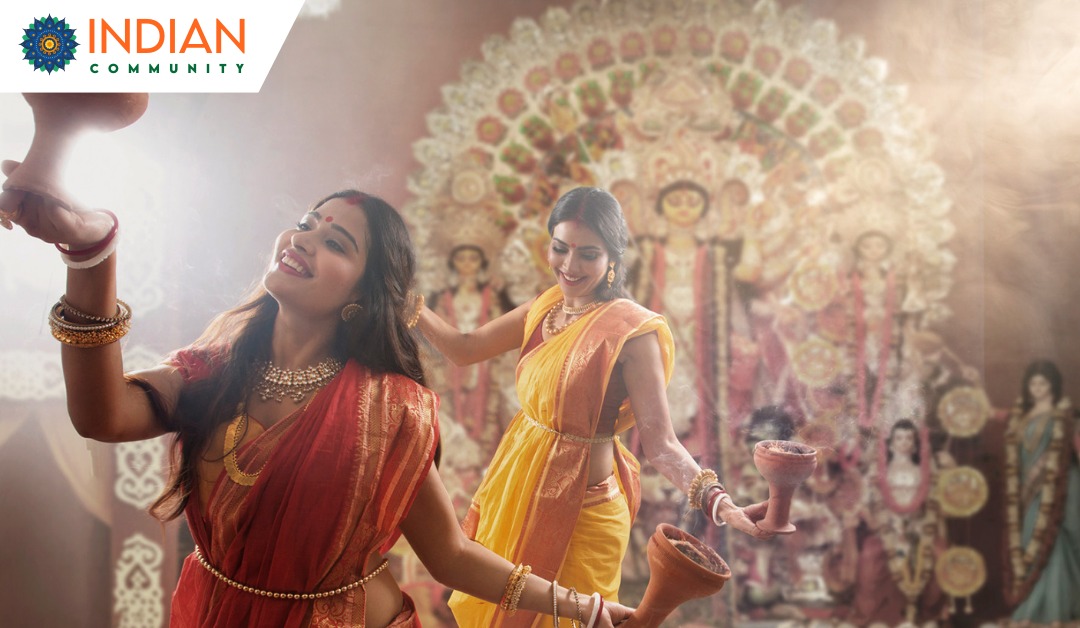
Navratri, a vibrant and spiritually significant festival, is celebrated with great zeal and devotion across India and among Indian communities globally. Spanning nine nights, this festival honors Goddess Durga and her myriad forms. The ways in which Navratri is celebrated are as diverse as the regions in which it is observed, each bringing its unique flavors and traditions to this grand celebration. This blog will provide a comprehensive overview of how Navratri is celebrated, from the rituals and customs to the regional variations and cultural impact, with detailed insights into the poojas (rituals) performed for each of the nine forms of Goddess Durga.
The Festive Rituals of Navratri
1. Preparations and Decorations
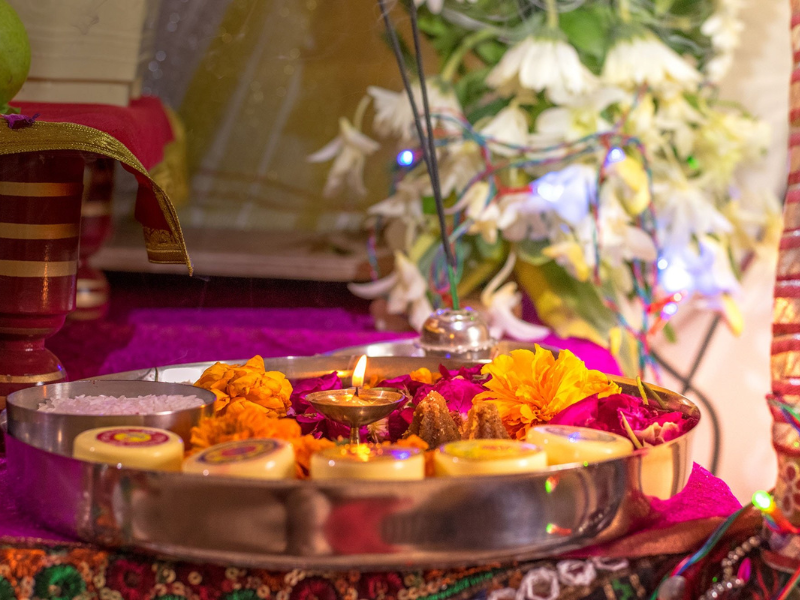
Navratri celebrations begin well before the festival’s official start. Homes and temples are adorned with vibrant decorations including colorful rangoli (floor art), flowers, and lights. The centerpiece of these decorations is often a beautifully adorned idol or picture of Goddess Durga. In many households, a dedicated space is prepared for the installation of the kalash (sacred pot), which is an integral part of the festivities.
2. Ghatasthapana (Installation of the Kalash)
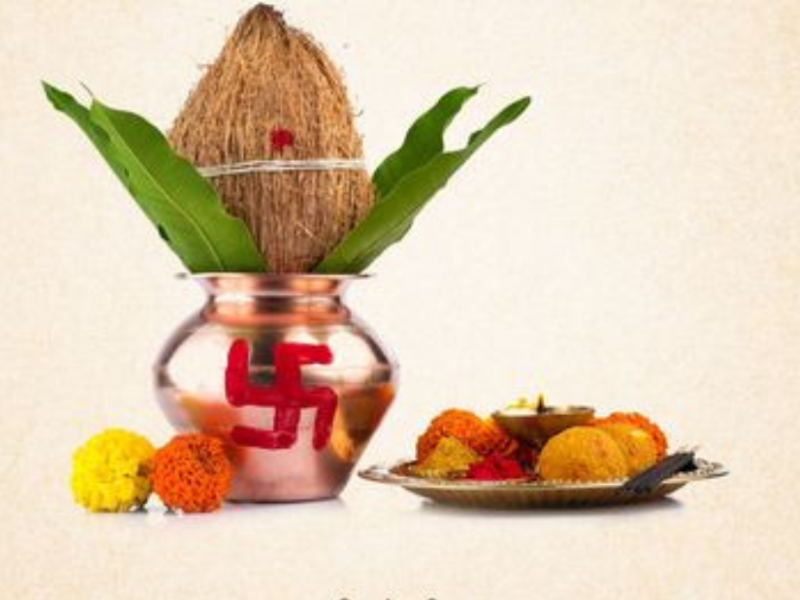
On the first day of Navratri, known as Pratipada, the festival kicks off with Ghatasthapana. During this ritual, a kalash filled with water, adorned with mango leaves and a coconut, is placed on a bed of barley or wheat grains. This symbolizes the beginning of the festival and invokes the goddess’s blessings. The auspicious muhurat (timing) for this ritual is typically early in the morning, between 6:05 AM and 7:40 AM.
Daily Worship and Pooja of Devi Roops
Each day of Navratri is dedicated to a different form of Goddess Durga, with specific poojas and rituals performed to honor each manifestation. Here’s a detailed look at the pooja rituals and offerings made to each Devi Roop (form of the goddess):
1. Shailaputri (Day 1: October 10, 2024)
Significance: Shailaputri, the daughter of the mountains, represents stability and strength. She is often depicted riding a bull and carrying a trident and a lotus.
Pooja Rituals:
- Abhishekam: Perform a ceremonial bathing of the deity’s idol with milk, honey, and water.
- Offerings: Offer fresh flowers, fruits like bananas, and sweets such as kheer (rice pudding).
- Chanting: Recite the Shailaputri Ashtakshara Mantra and the Durga Saptashati.
- Special Practices: Light a diya (lamp) and incense sticks, and offer a simple meal of fruits or milk-based dishes.
2. Brahmacharini (Day 2: October 11, 2024)
Significance: Brahmacharini embodies austerity and penance. She is depicted with a rosary and a water pot.
Pooja Rituals:
- Abhishekam: Use water and honey to bathe the idol, symbolizing purity and devotion.
- Offerings: Offer white flowers, sugar, and fruits like apples and pears. Prepare a special dish like halwa (sweet semolina pudding) to offer.
- Chanting: Recite the Brahmacharini Ashtakshara Mantra and perform the Brahmacharini Vrat Katha (story).
- Special Practices: Observe a day of fasting or partial fasting, and perform a special puja in the evening with a focus on inner strength and meditation.
3. Chandraghanta (Day 3: October 12, 2024)
Significance: Chandraghanta, known for her bravery, has a bell-shaped moon on her forehead and is associated with courage and valor.
Pooja Rituals:
- Abhishekam: Bathe the idol with milk and honey to signify peace and purity.
- Offerings: Offer red flowers, jaggery, and sweets like ladoos (sweet balls). Prepare a dish of red fruits like pomegranates and strawberries.
- Chanting: Recite the Chandraghanta Ashtakshara Mantra and the Durga Saptashati.
- Special Practices: Ring bells during the puja to symbolize the goddess’s presence and protection.
4. Kushmanda (Day 4: October 13, 2024)
Significance: Kushmanda, the creator of the universe, is depicted with a radiant smile and a pumpkin.
Pooja Rituals:
- Abhishekam: Use pumpkin puree and milk to bathe the idol.
- Offerings: Offer yellow flowers, pumpkin dishes, and sweets like pumpkin halwa.
- Chanting: Recite the Kushmanda Ashtakshara Mantra and the Devi Kavacham.
- Special Practices: Decorate the puja area with pumpkin and squash, and prepare dishes made from these vegetables.
5. Skandamata (Day 5: October 14, 2024)
Significance: Skandamata, the mother of Skanda (Kartikeya), represents nurturing and motherhood.
Pooja Rituals:
- Abhishekam: Bathe the idol with milk and honey, emphasizing nurturing qualities.
- Offerings: Offer pink and white flowers, fruits like pears and apples, and sweets like kheer.
- Chanting: Recite the Skandamata Ashtakshara Mantra and the Skandamata Vrat Katha.
- Special Practices: Create a special puja setup with a small idol of Skanda and offer a variety of sweets and fruits.
6. Katyayani (Day 6: October 15, 2024)
Significance: Katyayani is a warrior goddess associated with courage and valor.
Pooja Rituals:
- Abhishekam: Bathe the idol with water and honey, symbolizing purification and strength.
- Offerings: Offer red flowers, sweets like ladoos, and fruits such as oranges.
- Chanting: Recite the Katyayani Ashtakshara Mantra and perform the Katyayani Vrat Katha.
- Special Practices: Engage in a special prayer session focused on overcoming personal challenges and fostering courage.
7. Kalaratri (Day 7: October 16, 2024)
Significance: Kalaratri, the fierce form of Durga, is known for destroying evil forces and is depicted with a dark complexion and disheveled hair.
Pooja Rituals:
- Abhishekam: Use a mixture of mustard oil and water for the ritual bath, symbolizing the removal of darkness.
- Offerings: Offer dark flowers, sesame seeds, and sweets like tilgul (sesame and jaggery balls).
- Chanting: Recite the Kalaratri Ashtakshara Mantra and the Kalaratri Vrat Katha.
- Special Practices: Perform a ritual involving burning of effigies or symbolic representations to signify the destruction of evil.
8. Mahagauri (Day 8: October 17, 2024)
Significance: Mahagauri represents purity and tranquility. She is depicted with a radiant, fair complexion and is often shown riding a bull.
Pooja Rituals:
- Abhishekam: Bathe the idol with milk and rose water to symbolize purity and serenity.
- Offerings: Offer white flowers, milk-based sweets like pedas, and fruits like bananas.
- Chanting: Recite the Mahagauri Ashtakshara Mantra and perform the Mahagauri Vrat Katha.
- Special Practices: Decorate the puja area with white and light-colored decorations and focus on prayers for inner peace and harmony.
9. Siddhidhatri (Day 9: October 18, 2024)
Significance: Siddhidhatri is the goddess who grants all accomplishments and desires. She is often depicted with four hands, holding a lotus, a mace, and a conch.
Pooja Rituals:
- Abhishekam: Use a mixture of milk, honey, and water for the ritual bath.
- Offerings: Offer mixed flowers, various sweets, and fruits like pomegranates and grapes.
- Chanting: Recite the Siddhidhatri Ashtakshara Mantra and the Siddhidhatri Vrat Katha.
- Special Practices: Perform a concluding ritual to mark the end of the Navratri festivities, often including a grand feast and community gatherings.
Dance and Music: Garba and Dandiya
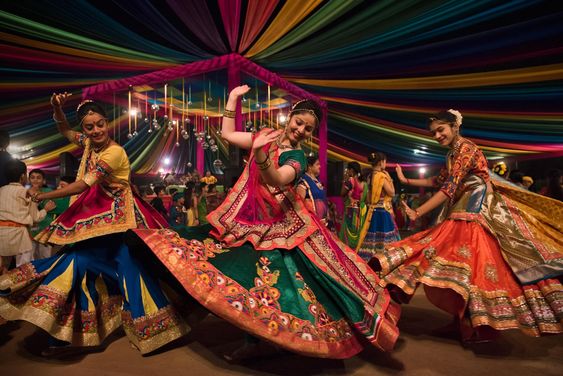
In Gujarat and some other parts of India, Navratri is celebrated with exuberant dance forms such as Garba and Dandiya. Garba involves dancing in circles to rhythmic beats of traditional music, while Dandiya, often performed with sticks, adds a festive and lively element. These dances are not only a form of celebration but also a means to express devotion to the goddess. The nights are filled with music, laughter, and vibrant attire, creating a communal atmosphere of joy and spirituality.
Cultural and Regional Variations
Navratri is celebrated differently across India, reflecting the country’s rich diversity:
- In Northern India, the festival culminates in Dussehra, celebrating the victory of Lord Rama over the demon king Ravana. This day is marked by the burning of effigies and grand processions.
- In Gujarat, Navratri is marked by nightly Garba and Dandiya dances, with large community gatherings and elaborate decorations.
- In West Bengal, Navratri is synonymous with Durga Puja, a grand celebration featuring elaborate pandals (temporary structures), artistic depictions of Goddess Durga, and cultural performances.
- In Tamil Nadu and Karnataka, the festival is celebrated as Golu, where dolls and figurines are displayed on steps, representing various deities and scenes from Hindu mythology.
Navratri is a festival that beautifully blends spirituality, cultural heritage, and community spirit. From the elaborate rituals and fasting to the vibrant dances and regional variations, Navratri offers a unique opportunity to connect with the divine feminine energy embodied by Goddess Durga. The festival’s celebrations, marked by devotion, joy, and cultural richness, reflect the timeless values of strength, righteousness, and unity.
By understanding and participating in the diverse ways Navratri is celebrated, one gains a deeper appreciation for the festival’s significance and its role in fostering spiritual and communal harmony. As Navratri unfolds each year, it continues to inspire millions, painting the world with its vibrant hues of faith and festivity.
